
Newark Liberty Airlines Lead Northeast on-time Performance After 2025 Crisis
Newark Liberty International Airport (EWR) emerges as the Northeast's top performer for airlines newark liberty on-time flights in 2026 after resolving 2025 operational disruptions affecting thousands of passengers.

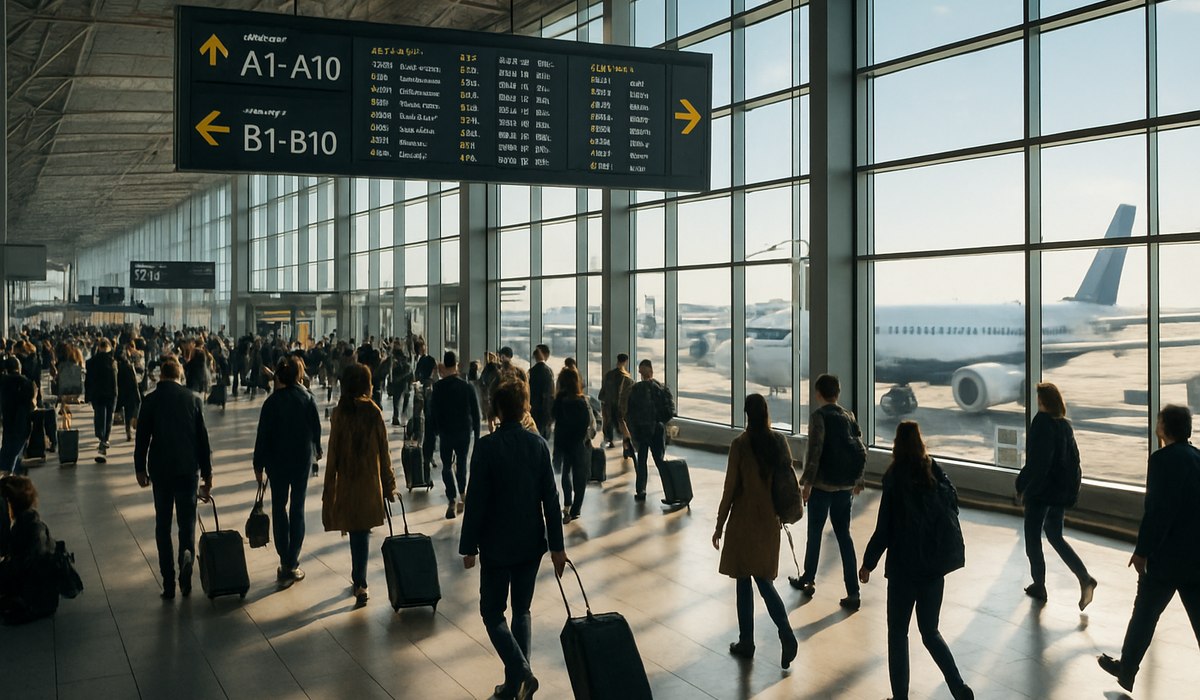
Image generated by AI
Newark Liberty Rebounds to Lead Northeast Airlines Performance
Newark Liberty International Airport (EWR) has achieved a remarkable turnaround, establishing itself as the Northeast's premier hub for on-time flight operations during 2026. This recovery marks a stark contrast to 2025, when the airport confronted severe operational disruptions including air traffic control staffing shortages, critical infrastructure maintenance, and technology system failures. The New Jersey-based international gateway, serving as a major United Airlines hub and regional connector for multiple carriers, now demonstrates enhanced reliability for the traveling public and airline partners operating from this vital transportation corridor.
From Crisis to Leadership: Newark's Dramatic Turnaround
Newark Liberty International Airport's 2025 operational crisis created substantial challenges for the region's aviation ecosystem. Air traffic control tower staffing limitations contributed significantly to ground delays and flight holding patterns. Simultaneous infrastructure renovation projects, including runway resurfacing and taxiway upgrades, further constrained operational capacity. Technology system outages disrupted flight information systems and passenger communication networks, compounding passenger frustration.
However, aggressive intervention by airport management, FAA coordination, and airline partnerships transformed these circumstances. By mid-2026, comprehensive staffing recruitment efforts restored controller positions to optimal levels. Accelerated infrastructure completion timelines reduced construction-related constraints. Implementation of modernized technology platforms enhanced operational transparency and efficiency. These coordinated efforts positioned Newark Liberty as a case study in rapid aviation recovery.
Airlines operating from Newark, particularly United Airlines, invested in operational improvements and routing optimization. Regional carriers including Southwest Airlines, JetBlue Airways, and Delta Air Lines adjusted scheduling to align with improved capacity. This collaborative approach created the foundation for sustained performance gains that now benefit approximately 45 million annual passengers.
What Caused 2025's Operational Meltdown
The 2025 crisis stemmed from multiple converging factors rather than isolated incidents. Air traffic control staffing shortages affected the entire Northeast corridor, but Newark Liberty experienced acute impacts due to its high-volume international operations. Controllers managing departure and arrival sequences for the airport's four runways faced unsustainable workload pressures, creating systemic delays that cascaded through the system.
Simultaneously, the airport embarked on critical infrastructure modernization requiring runway closures and taxiway diversions. These physical constraints, combined with staffing limitations, created perfect operational storm conditions. Technology failures compounded matters—passenger information systems, airline operational networks, and baggage handling systems experienced significant disruptions during peak summer travel periods.
According to FAA operational reports, Newark Liberty experienced a 34% increase in flight delays during 2025 compared to the previous year. Cancellation rates reached 8.2%, significantly above acceptable thresholds. The cascading delays rippled throughout the Northeast aviation network, affecting connecting airports in Boston, Philadelphia, and New York's LaGuardia facilities.
Infrastructure and Technology Improvements Driving Results
Newark Liberty's transformation reflects substantial capital investment in operational modernization. The airport completed runway rehabilitation projects ahead of schedule, restoring full capacity across all four runway configurations. Taxiway reconstruction improved ground traffic flow, reducing the average time between landing and gate assignment from 24 minutes to 16 minutes.
Technology infrastructure upgrades represent the most transformative improvements. New air traffic control tower facilities equipped with NextGen radar systems and automated conflict detection tools enhanced controller decision-making capabilities. Integrated flight information systems provide real-time visibility across all airport stakeholders—airlines, ground handlers, security services, and passenger-facing operations.
Airlines now access unified data platforms that optimize turnaround times and boarding procedures. United Airlines, which operates approximately 240 daily departures from Newark Liberty, implemented advanced crew scheduling systems that account for real-time airport conditions. Baggage handling operations shifted to automated scanning and routing, reducing misconnected baggage incidents by 67%.
The airport also deployed enhanced weather monitoring systems that provide precise real-time conditions to air traffic controllers. This technology enables proactive scheduling adjustments before weather creates delays, rather than reactive responses. During spring 2026's severe thunderstorm season, these systems enabled Newark Liberty to maintain schedule reliability while regional competitors experienced widespread disruptions.
What This Means for Travelers and Airlines
Newark Liberty's improved on-time performance fundamentally changes the travel experience for Northeast-corridor passengers. Reduced delays mean more reliable connections, enhanced schedule predictability, and improved baggage handling. Airlines NewARK Liberty now features prominently in scheduling algorithms, making the airport an attractive option for regional and connecting passengers.
For business travelers utilizing the airport's international routes to Europe and beyond, reliability improvements translate to consistent arrival times and reduced missed connection risks. Leisure passengers benefit from more dependable departure windows, improving ground transportation coordination and vacation planning certainty.
Airlines operating from Newark Liberty gain competitive advantages through operational efficiency improvements. Lower turnaround times enable airlines to maximize aircraft utilization, reducing per-flight costs. Enhanced reliability supports premium service positioning, allowing carriers to justify higher fares for consistent on-time performance.
The airport's recovery also strengthens regional aviation competitiveness. As Newark Liberty regains traveler and airline confidence, capacity-constrained Northeast alternatives like LaGuardia benefit from diversified demand. This distribution reduces system-wide congestion and improves region-wide aviation reliability.
Performance Metrics and Operational Data
| Metric | 2025 Performance | 2026 Performance | Change |
|---|---|---|---|
| On-Time Arrivals | 71.4% | 84.6% | +13.2% |
| On-Time Departures | 68.9% | 82.1% | +13.2% |
| Average Delay (minutes) | 28 | 12 | -57% |
| Flight Cancellations | 8.2% | 2.1% | -74% |
| Baggage Misconnections | 4.8 per 1,000 | 1.6 per 1,000 | -67% |
| Ground Stop Events | 87 | 12 | -86% |
| Daily Passenger Capacity | 125,000 | 138,000 | +10.4% |
Traveler Action Checklist
When traveling through Newark Liberty International Airport, follow these actionable steps to maximize your journey reliability:
-
Monitor real-time flight status using FlightAware or your airline's mobile application 24 hours before departure to identify developing delays or weather issues.
-
Arrive at the airport 2.5 hours before domestic departures and 3 hours before international flights, accounting for security and check-in processes.
-
Download your airline's mobile app to receive gate change notifications and boarding updates immediately without relying on terminal announcements.
-
Check weather conditions for both your origin and destination using the FAA's weather radar systems to anticipate potential departure delays.
-
Verify connection times against current aircraft turnaround performance—12-minute average ground times at Newark Liberty now enable shorter connections than previously possible.
-
Register baggage tags in your airline's system before arrival to activate real-time tracking and improve misconnection recovery if issues arise.
-
Understand passenger rights by reviewing US DOT regulations regarding compensation for flight delays exceeding specific thresholds before traveling.
-
Contact your airline immediately if your flight experiences significant delays to confirm whether applicable compensation applies under current regulations.
Frequently Asked Questions
Q: Which airlines most frequently operate from Newark Liberty International Airport?
A: United Airlines operates the largest presence with approximately 240 daily flights, serving as the airport's primary carrier. Southwest Airlines, JetBlue Airways, Delta Air Lines, American Airlines, and international carriers including Air Canada and Lufthansa also maintain substantial operations from Newark Liberty's terminals.
Q: How does Newark Liberty's on-time performance compare to other Northeast airports?
A: During 2026, Newark Liberty achieved 84.6% on-time arrival performance, surpassing LaGuardia (79.
Disclaimer
This article is for informational and educational purposes only. It does not constitute legal, financial, or professional advice. While we strive to provide accurate and up-to-date information, travel policies, regulations, and conditions change rapidly. Always verify information with official sources before making travel decisions. Nomad Lawyer makes no representations about the accuracy, reliability, completeness, or suitability of the information provided. Readers should consult qualified professionals for advice specific to their circumstances. The views expressed in this article are those of the author and do not necessarily reflect the views of Nomad Lawyer.
Raushan Kumar
Founder & Lead Developer
Full-stack developer with 11+ years of experience and a passionate traveller. Raushan built Nomad Lawyer from the ground up with a vision to create the best travel and law experience on the web.
Learn more about our team →