
New Zealand Proposes Biometric 'Passport-Free' Airport Travel Trial for 2028 T20 World Cup
New Zealand's National Party proposes a biometric digital credential system to enable seamless, paperless travel for citizens by 2028, raising significant privacy and accessibility concerns.

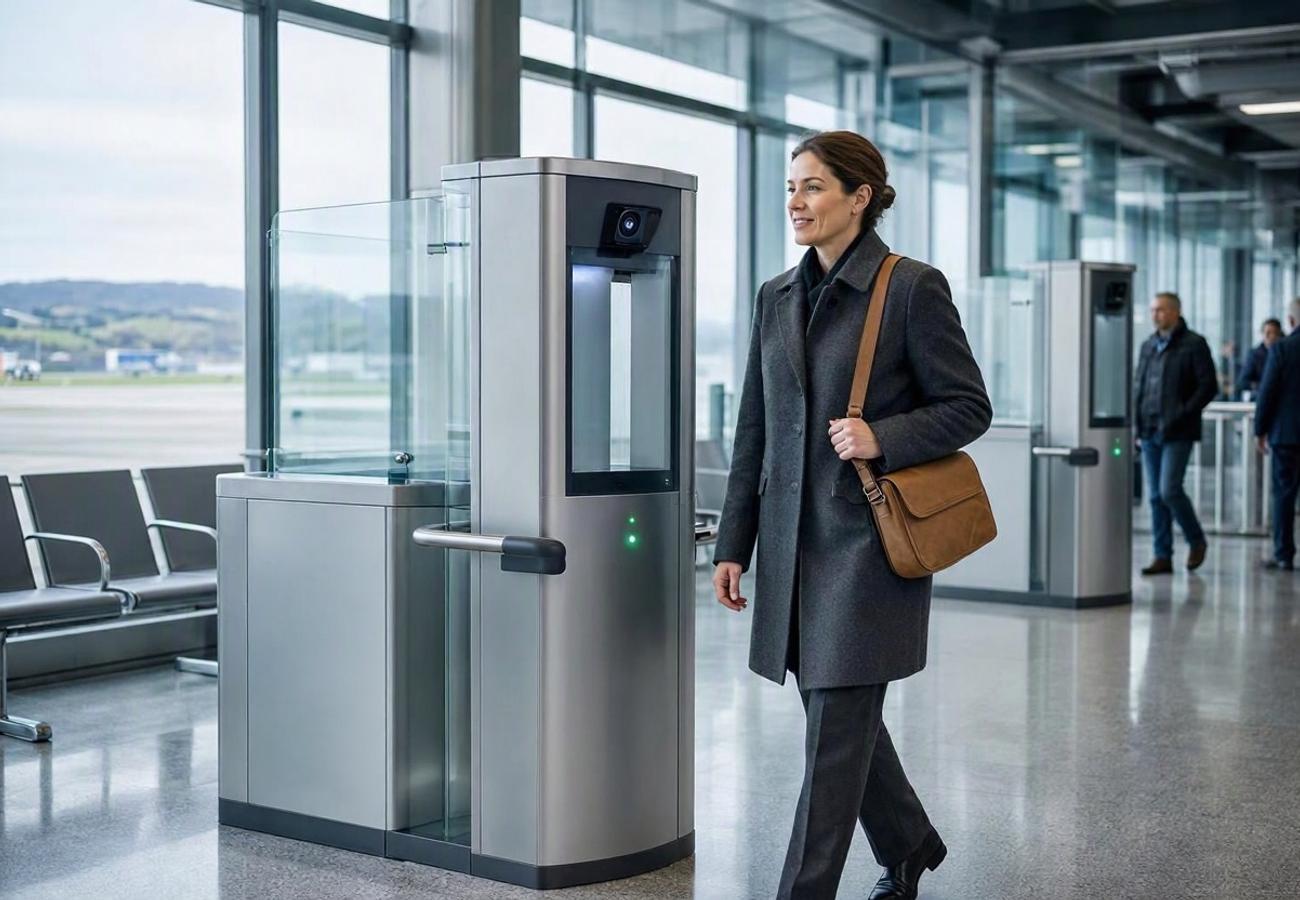
Image generated by AI
[Wellington, October 7, 2026] — New Zealand’s National Party has announced a proposal to implement "seamless" airport travel using biometric technology and digital credentials, potentially removing the requirement for physical passports at boarding gates for eligible citizens.
The plan, unveiled on October 1, is currently an election pledge rather than a formal government program. If enacted, the initiative would see New Zealand collaborate with Australia to trial a digital identity system ahead of the 2028 Men’s T20 World Cup, which the two nations will co-host from October 21 to November 19, 2028. The goal is to allow qualified Australian and New Zealand citizens to navigate more of the airport journey via smartphones and facial recognition.
The Catalyst for Digital Border Shift
The push toward biometric integration is driven by massive passenger volumes between the two neighbors. According to Stats NZ, overseas visitor arrivals from Australia reached 1.59 million in the year ending July 2026. Simultaneously, 1.29 million New Zealand residents returned from Australia during that same period. July 2026 alone saw a record 134,900 arrivals from Australia, putting immense pressure on existing processing infrastructure.
While the National Party suggests these upgrades will streamline the experience, critics argue that the proposal lacks a concrete rollout date, a list of participating airports, or a detailed framework for how non-tech-savvy travelers will be accommodated.
Trans-Tasman Digital Infrastructure Comparison
While New Zealand's plan remains a political promise, Australia is already executing a funded modernization strategy. The Australian Border Force is currently implementing the Australia Travel Declaration (ATD), a digital replacement for the paper Incoming Passenger Card.
| Feature | New Zealand (Proposed) | Australia (Active/Planned) |
|---|---|---|
| Status | Election Pledge (Conditional) | Active Pilot / National Rollout |
| Primary Tech | Biometrics & Digital Credentials | Digital Declaration (ATD) |
| Target Date | Before Nov 2028 | Full rollout by end of 2027 |
| Funding | Not yet specified | A$56.1 million over 4 years |
| Current Reach | Existing eGates (10+ years old) | 450,000+ passengers (Qantas pilot) |
| Key Requirement | Smartphone/Biometric ID | Digital Pass/QR Code |
What This Means for Travelers
For the average passenger, "passport-free" travel is a misleading term. The proposed system does not eliminate the legal requirement for a valid travel document; it merely changes how that document is verified at specific touchpoints.
Passenger Impact Breakdown:
- Physical Documents: You will still need a physical passport for booking, check-in, and official immigration records. The "passport-free" element applies specifically to the boarding gate.
- Security & Customs: Biometric gates do not bypass visa requirements, customs declarations, or biosecurity checks. Border agencies will maintain the authority to manually intervene if a risk is identified.
- Accessibility Gap: Travelers without smartphones or those who opt out of biometric tracking will still rely on traditional paper-based processes.
- Age Discrepancies: Current rules differ wildly. Australia’s SmartGates accept children aged 7+ (min. 1.1m height), while New Zealand’s eGates require travelers to be 10+. A family may find their experience changes abruptly when crossing the border.
The Road to 2028
The success of this initiative depends entirely on the upcoming election and the willingness of the Australian government to synchronize its systems with New Zealand. The two countries have already laid the groundwork via the Trans-Tasman Seamless Travel Group, which has focused on upgrading eGates and testing digital passenger cards.
However, significant questions remain regarding data privacy. The proposal does not yet specify which agencies will hold the biometric data or how that information will be protected from breaches. Furthermore, it is unclear if Australian permanent residents or other visa holders will be granted access to these "seamless" lanes, as immigration rules remain strictly separate.
FAQ: NZ Biometric Travel 2026
Will I stop needing a passport to travel to New Zealand? No. You still need a valid passport for legal entry and booking. The proposal only suggests that eligible citizens might not need to physically present the paper document at the boarding gate.
Who is eligible for the proposed biometric trial? The current proposal specifically names Australian and New Zealand citizens. It is not yet clear if permanent residents or other nationality passport holders will be included.
Does this mean shorter queues at the airport? While the goal is "seamless" travel, the government has not yet provided data proving that biometric gates will significantly reduce wait times compared to current eGate systems.
What happens if I don't have a smartphone? The proposal indicates that traditional methods will remain. Those unable or unwilling to use digital credentials will continue to use paper forms and manual passport checks.
Digital borders promise speed, but the cost may be a permanent loss of passenger anonymity.
Related Travel Guides
Disclaimer
This article is for informational and educational purposes only. It does not constitute legal, financial, or professional advice. While we strive to provide accurate and up-to-date information, travel policies, regulations, and conditions change rapidly. Always verify information with official sources before making travel decisions. Nomad Lawyer makes no representations about the accuracy, reliability, completeness, or suitability of the information provided. Readers should consult qualified professionals for advice specific to their circumstances. The views expressed in this article are those of the author and do not necessarily reflect the views of Nomad Lawyer.
Raushan Kumar
Founder & Lead Developer
Full-stack developer with 11+ years of experience and a passionate traveller. Raushan built Nomad Lawyer from the ground up with a vision to create the best travel and law experience on the web.
Learn more about our team →