
New York, United States 900 Dollars First-Class Upgrade Shock at Check-In — What Others Get Wrong About Last-Minute Airline Pricing
New York travelers face $900 first-class upgrade shocks as airlines deploy dynamic pricing algorithms. Learn how check-i

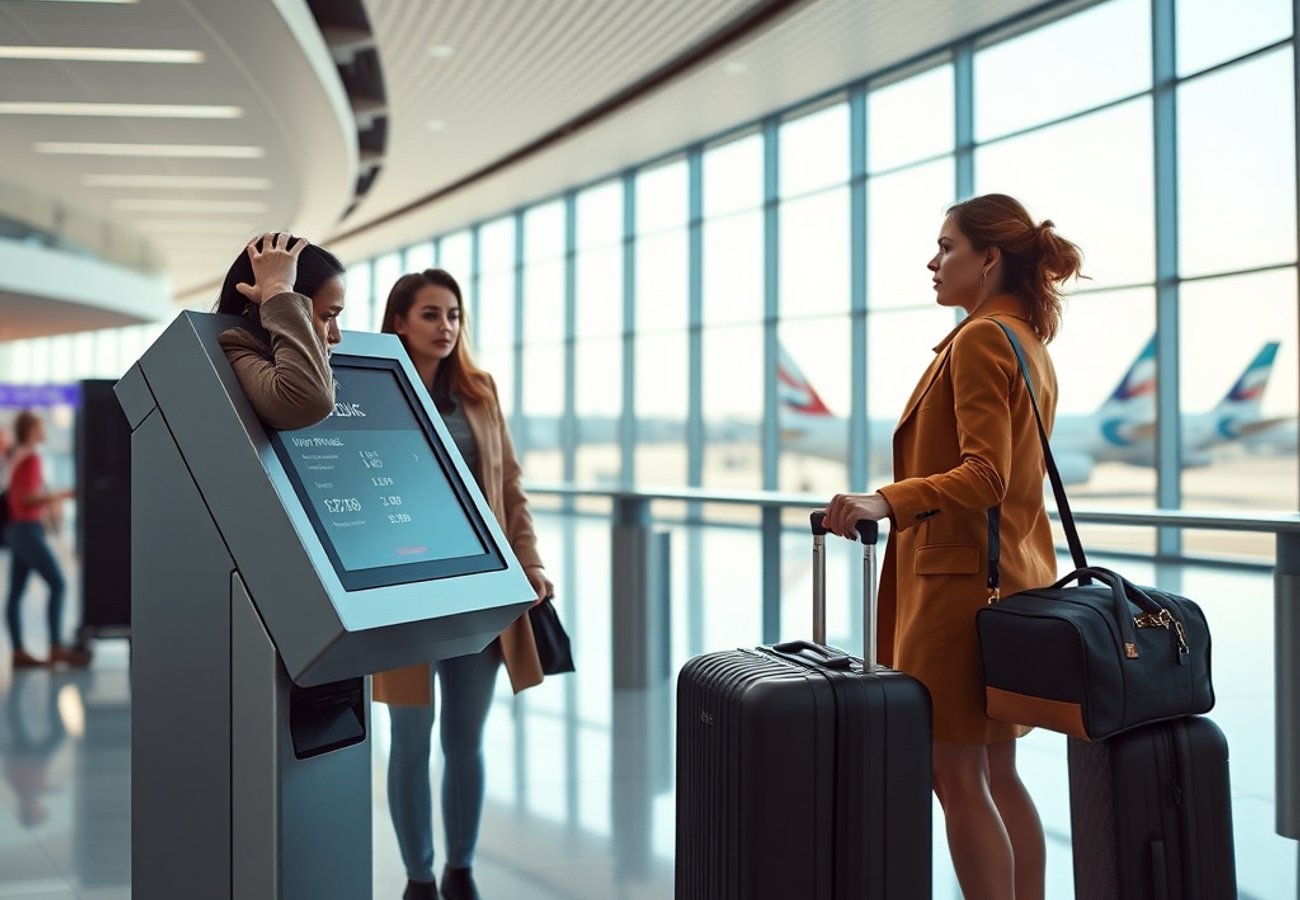
Image generated by AI
[New York, June 29, 2026] — Travelers departing from New York are facing significant pricing volatility as airlines increasingly deploy aggressive dynamic pricing for last-minute first-class upgrades, with some offers reaching $900 just hours before takeoff. This trend is most prominent during the critical 24-hour check-in window, where automated systems release remaining premium inventory to maximize revenue on high-demand corridors.
The Mechanics of Last-Minute Premium Pricing
The sudden appearance of high-cost upgrade offers is not a random occurrence but the result of sophisticated algorithmic inventory control. When the check-in window opens, airline systems instantly analyze the remaining seat capacity in premium cabins. If a flight is underbooked in first or business class, the software generates paid upgrade prompts to monetize seats that would otherwise fly empty.
Industry data indicates that these offers are strategically timed to appear across three primary touchpoints:
- The initial 24-hour digital check-in window via mobile apps or websites.
- Self-service airport kiosks during the pre-flight process.
- Gate areas during final seat reassignments.
Major US carriers, including Delta Air Lines, American Airlines, United Airlines, and Alaska Airlines, utilize these revenue optimization tools to balance load factors with maximum profit extraction. Rather than offering a flat rate, these systems function as a real-time auction, adjusting the price based on immediate demand spikes.
Volatility Factors in Upgrade Costs from $29 to $1,500
The extreme variance in upgrade pricing—ranging from a nominal $29 to upwards of $1,500—is driven by several intersecting variables. Airlines do not view all premium seats as equal; instead, they value them based on the specific route's profitability and the aircraft's configuration.
Key factors influencing the final price include:
- Route Strength: High-demand corporate corridors command higher premiums.
- Cabin Availability: Fewer remaining seats typically trigger higher prices.
- Time to Departure: Prices may fluctuate wildly as the boarding time approaches.
- Aircraft Type: The difference between a domestic recliner and a lie-flat bed significantly impacts the cost.
- Elite Status: Priority for loyalty members can reduce the number of seats available for paid upgrades.
On short-haul regional flights, where the perceived value of first class is lower, upgrades can drop to between $29 and $199. Conversely, transcontinental and international routes see prices surge as airlines prioritize revenue recovery over uniform pricing.
Analysis of the New York to London Premium Corridor
The flight path between New York (JFK) and London Heathrow (LHR) serves as a primary example of this pricing strategy. On this specific route, passengers frequently encounter business class upgrade offers ranging from $600 to $900 during the check-in process.
Several industry-specific factors contribute to this pricing floor:
- Corporate Volume: Heavy demand from business travelers keeps baseline prices high.
- Product Value: The presence of high-value lie-flat bedding for overnight travel increases the perceived utility of the upgrade.
- Market Competition: Intense rivalry between US and UK-based carriers influences how aggressively seats are discounted.
During peak seasonal travel, such as summer holidays, these offers may disappear entirely as airlines prioritize full-fare business class tickets.
Domestic US Upgrade Price Spectrum
Within the United States, upgrade pricing follows a more tiered structure based on flight duration and distance. While more predictable than international routes, the costs remain subject to algorithmic shifts.
| Flight Category | Typical Upgrade Price Range | Example Routes |
|---|---|---|
| Short-Haul (Under 2 Hours) | $29 – $199 | Regional hops |
| Medium Domestic Routes | $150 – $400 | Mid-continent flights |
| Long Cross-Country | $250 – $700 | New York to Los Angeles / Atlanta to Seattle |
The disparity in these figures is often tied to the aircraft hardware. A narrow-body aircraft with standard first-class recliners is priced significantly lower than a premium transcontinental cabin designed for long-distance comfort.
International Long-Haul and Ultra-Long-Haul Pricing
The highest level of volatility is found on international services connecting the US to Europe and Asia. In these markets, check-in upgrades generally fluctuate between $600 and $1,500 for business class.
On ultra-long-haul routes, such as San Francisco to Singapore, pricing frequently hits the upper ceiling. Because these flights exceed 10 to 14 hours, the value of a lie-flat bed is immense, allowing airlines to treat these cabins as high-margin luxury products. Discounts are typically only released if a significant amount of capacity remains unsold shortly before departure.
The Transparency Gap in Algorithmic Pricing
Beyond the cost, industry observers highlight a growing "visibility gap" between the airline's revenue management systems and the passenger. While automated engines adjust prices in milliseconds, passengers are left in the dark regarding:
- The logic behind a specific price point.
- The exact number of unsold premium seats.
- Whether the price is likely to drop further as the flight departs.
Although the US Department of Transportation maintains fare transparency regulations, upgrade pricing currently exists in a largely unregulated grey zone. This creates a psychological environment of urgency, where travelers feel pressured to accept an offer immediately for fear it will vanish.
Why This Matters: The Shift Toward "Hyper-Dynamic" Aviation
The transition from fixed-fare upgrades to algorithm-driven pricing represents a fundamental shift in the aviation business model. Airlines are no longer just selling seats; they are managing real-time digital auctions. This "hyper-dynamic" approach allows carriers to extract the maximum possible value from every single square inch of the aircraft.
For the consumer, this means the "luck of the draw" has been replaced by data science. The difference between a $29 and a $900 upgrade is now a reflection of real-time demand data, historical booking patterns, and inventory pressure. As these systems become more integrated, the airport check-in screen has evolved into a high-stakes financial touchpoint. To navigate this, travelers must move away from impulsive decisions and instead monitor price trends starting exactly 24 hours before departure, comparing offers across different devices to identify potential glitches or shifts in the pricing logic.
Related Travel Guides
Disclaimer
This article is for informational and educational purposes only. It does not constitute legal, financial, or professional advice. While we strive to provide accurate and up-to-date information, travel policies, regulations, and conditions change rapidly. Always verify information with official sources before making travel decisions. Nomad Lawyer makes no representations about the accuracy, reliability, completeness, or suitability of the information provided. Readers should consult qualified professionals for advice specific to their circumstances. The views expressed in this article are those of the author and do not necessarily reflect the views of Nomad Lawyer.
Raushan Kumar
Founder & Lead Developer
Full-stack developer with 11+ years of experience and a passionate traveller. Raushan built Nomad Lawyer from the ground up with a vision to create the best travel and law experience on the web.
Learn more about our team →