
Discover New Orleans' Jazz Scene: A Neighborhood-by-Neighborhood Guide to Brass Bands, Modern Sets, and Street Energy
New Orleans offers a diverse jazz landscape where each neighborhood sets a distinct musical tone. This guide breaks down

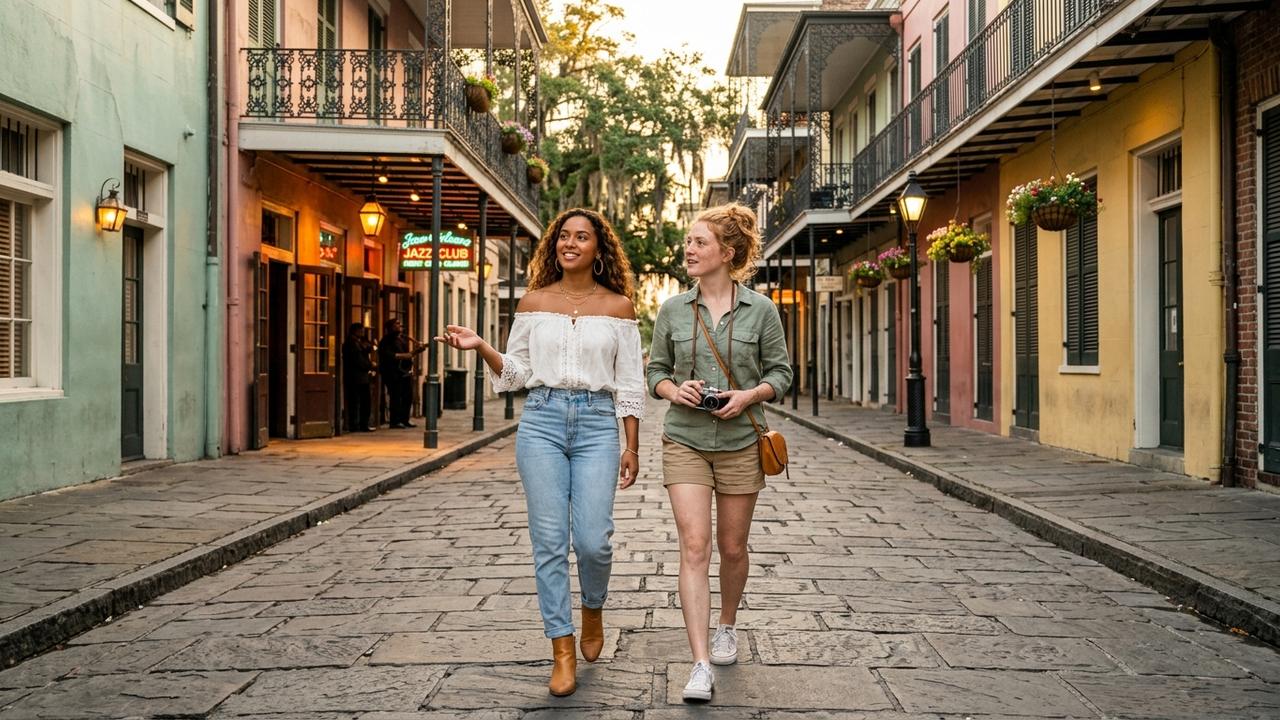
Image generated by AI
New Orleans delivers far more than culinary excellence and Mardi Gras festivities; it stands as a global epicenter for jazz. The city's music culture permeates the streets, with sounds spilling from venues onto sidewalks and transforming evening outings into immersive experiences. For enthusiasts, the appeal lies in the variety: each district cultivates a unique auditory atmosphere, allowing visitors to curate their musical journey based on neighborhood character and performance style.
While jazz styles are not strictly bound by geography, the city's diverse venue ecology means certain sounds are more prevalent in specific areas. Whether the goal is to dance, engage in focused listening, or explore experimental lineups, the right musical experience awaits in the city's distinct neighborhoods.
French Quarter Anchors Traditional Jazz Venues
The French Quarter, known locally as the Vieux Carré, is the city's oldest district, shaped by French and Spanish colonial heritage and centuries of activity as a major port. Its status as New Orleans' primary tourist destination has fostered a dense concentration of performance spaces, making it the most reliable area for live jazz year-round.
This neighborhood is the definitive destination for classic, early-jazz traditions. Performances typically feature prominent front-line horns, familiar standards, and a timeless sonic aesthetic that captures the essence of New Orleans music. The atmosphere balances lively energy with the option for quieter appreciation, making it ideal for mixed-age groups or visitors seeking a classic night out. While some venues accommodate dancing, the primary focus is often on listening and absorbing the historic ambiance. The proximity of multiple clubs also facilitates easy movement for large groups.
Tremé Preserves Brass Band and Second Line Heritage
Tremé holds a revered place in the city's cultural lineage, deeply intertwined with parade traditions and the iconic second line phenomenon. This neighborhood channels the street-to-stage energy of horn-driven performance, offering a direct connection to the roots of New Orleans music.
Brass band music, while distinct from club jazz, shares the improvisational, rhythmic, and movement-oriented DNA of the genre. The vibe in Tremé is celebratory and community-centric, characterized by high energy that encourages participation. This area is highly dance-friendly and well-suited for groups looking to experience the rhythmic pulse of the city. The low-to-medium chill factor reflects the dynamic nature of the performances, which can build quickly in intensity.
Warehouse District Showcases Contemporary Compositions
Historically an industrial zone linked to river trade and storage, the Warehouse District has evolved into a hub for galleries, dining, and performance venues. This repurposing has created an arts-and-nightlife district that naturally supports performance-focused jazz.
Venues here often lean toward modern and contemporary styles, featuring tighter arrangements and new compositions. The setting is polished and conducive to a listening-forward experience, making it a strong choice for date nights or cultural evenings that combine music with art and dining. While the atmosphere is less focused on dancing, the area accommodates larger groups with advance planning, offering a refined alternative to the city's more historic districts.
Uptown Fosters Groove and Soul-Jazz Culture
Uptown developed along historic streetcar corridors as a residential area with strong local institutions and a less tourism-centric nightlife. This environment supports a music scene that blends jazz with funk, soul, and groove.
Uptown is the ideal location for jazz-funk and soul-jazz crossovers. The music emphasizes beat and rhythm, blending improvisation with sounds designed for a lively night out. The vibe is social and upbeat, capturing the energy of a local night out rather than a tourist attraction. This neighborhood is excellent for those seeking a fun, danceable experience where the music naturally encourages extended socializing and movement.
Bywater Hosts Experimental and Avant-Garde Sets
Sharing industrial riverfront roots with the Warehouse District, the Bywater has cultivated a reputation for a vibrant, DIY creative community. This identity supports smaller venues and genre-bending performances that attract discovery-minded audiences.
The neighborhood is the go-to for experimental and avant-garde jazz. Venues here often feature left-of-center lineups and intimate settings, providing a less commercial alternative to the French Quarter. The atmosphere is creative and laid-back, though the music can be bold and challenging. It is best suited for smaller groups or friends who appreciate musical exploration and indie aesthetics.
Let the Neighborhood Provide the Soundtrack
New Orleans makes it straightforward to align musical preferences with neighborhood character. Visitors can select their desired experience—whether traditional, danceable, contemporary, or experimental—and allow the local scene to guide their evening. The city's jazz culture thrives across multiple districts, ensuring that every night offers a distinct sonic journey.
| Neighborhood | Jazz Style | Vibe Description | Chill Factor | Best For | Good for Dancing? | Large Group Friendly? |
|---|---|---|---|---|---|---|
| French Quarter | Traditional NOLA Jazz | Classic, energetic, "New Orleans at night" | Medium | Easy, reliable night out; mixed-age groups | Somewhat (listen and soak) | Yes (close venues) |
| Tremé | Brass Band-Style Jazz | Big energy, community-forward, celebratory | Low to Medium | Music with strong beat | Yes (highly dance-friendly) | Yes |
| Warehouse District | Modern/Contemporary Jazz | Polished, arts-night friendly | Medium to High | Date night; focused listening | Not usually | Yes (with planning) |
| Uptown | Jazz-Funk/Soul-Jazz Crossover | Upbeat, social, local-night-out energy | Medium | Lively hang; extended nights | Yes | Yes |
| Bywater | Experimental/Avant-Garde Jazz | Creative, indie, "see what happens" | Medium | Different; less touristy feel | Not typically | Small-to-medium |
Key Takeaways
- French Quarter offers the highest density of venues for classic, horn-heavy jazz in a historic setting.
- Tremé provides the most authentic connection to brass bands and second line parade culture, with a highly dance-friendly atmosphere.
- Warehouse District venues favor modern, composition-focused jazz in a polished environment suitable for arts and dining.
- Uptown's local nightlife scene aligns with jazz-funk and soul-jazz, emphasizing groove and social dancing.
- Bywater is the destination for experimental lineups and a DIY creative atmosphere, best for smaller groups.
- Selection Strategy: Visitors should choose based on desired vibe and musical style rather than a single street, as music extends throughout the city.
FAQ
Where is the best place to hear live jazz in New Orleans?
The French Quarter is the easiest starting point due to the high concentration of venues and frequent schedules. For different experiences, Tremé offers brass band energy, Uptown provides groove-driven sets, Bywater hosts experimental performances, and the Warehouse District features contemporary jazz in a polished setting.
What street in New Orleans has jazz?
While several corridors in the French Quarter are packed with live music, New Orleans is not limited to a single street. Many excellent shows occur off the main tourist paths. The most effective approach is to select a neighborhood vibe first, then choose a venue within that district.
What is a second line in New Orleans?
A second line is a community street parade featuring a live brass band that leads the procession. The "second line" refers to the crowd of dancers and celebrants who follow the band, participating in the music and tradition as the parade moves through the neighborhood.
Why is New Orleans called the Crescent City?
New Orleans is nicknamed the "Crescent City" because its early development followed a crescent-shaped bend in the Mississippi River. The original settlement formed along this curve, and the name persisted as the city expanded.
Related Travel Guides
Disclaimer
This article is for informational and educational purposes only. It does not constitute legal, financial, or professional advice. While we strive to provide accurate and up-to-date information, travel policies, regulations, and conditions change rapidly. Always verify information with official sources before making travel decisions. Nomad Lawyer makes no representations about the accuracy, reliability, completeness, or suitability of the information provided. Readers should consult qualified professionals for advice specific to their circumstances. The views expressed in this article are those of the author and do not necessarily reflect the views of Nomad Lawyer.
Preeti Gunjan
Contributor & Community Manager
A passionate traveller and community builder. Preeti helps grow the Nomad Lawyer community, fostering engagement and bringing the reader experience to life.
Learn more about our team →