
Beijing's AI Revolution: Transforming Tourism Into Smart Cultural Experiences
Beijing launches groundbreaking AI-powered cultural tourism initiative (2026-28) integrating intelligent systems at landmarks, breaking language barriers, and redefining visitor experiences across China's premier destination.

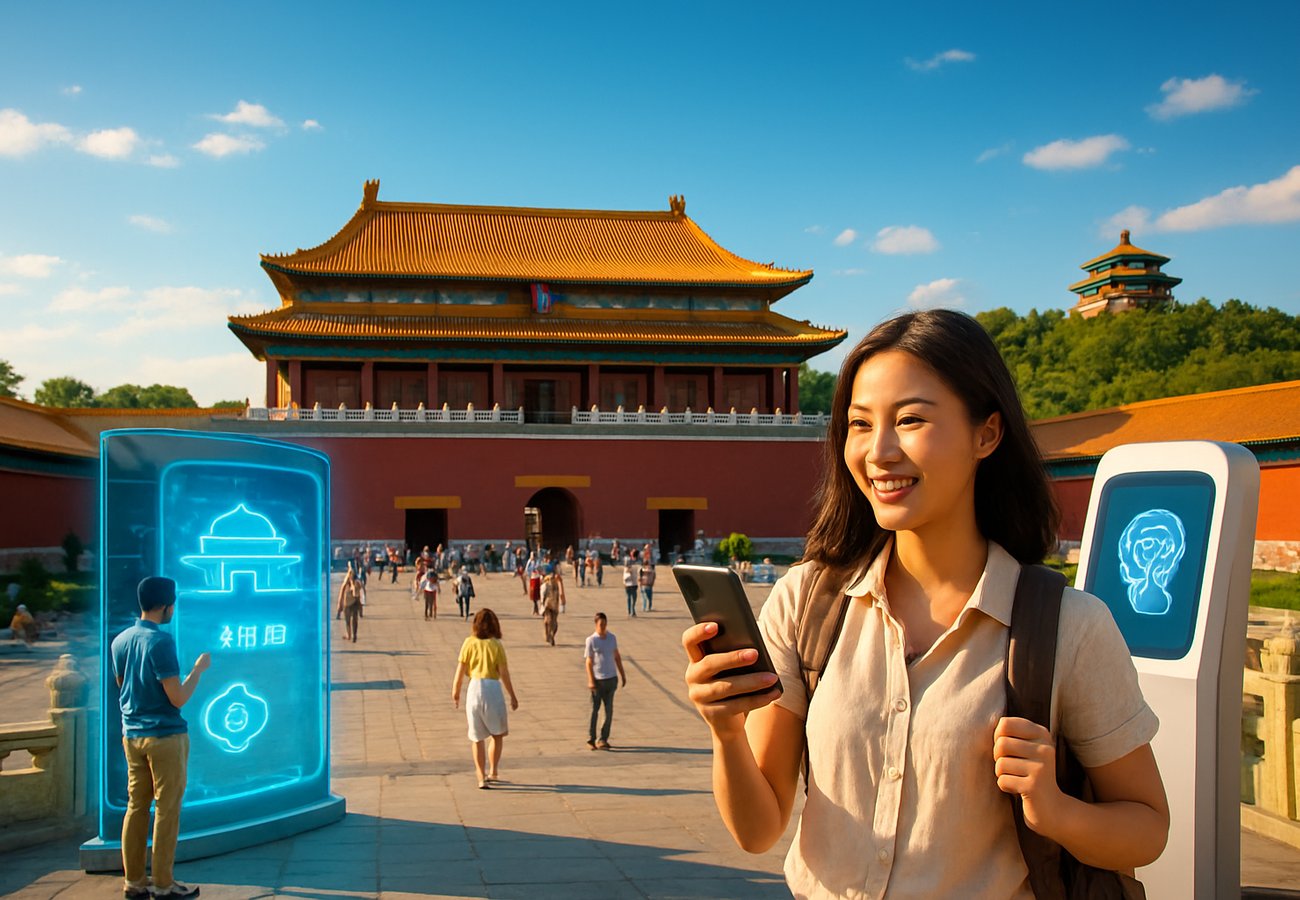
Image generated by AI
When Culture Meets Intelligence: Beijing's Bold Tourism Gambit
Beijing has just rolled out something genuinely ambitious. A forward-looking Action Plan for "AI plus Culture and Tourism" (2026-28) is set to fundamentally reshape how millions of visitors explore one of humanity's greatest cultural centers. This isn't your typical tech integration — it's a complete reimagining of the tourism experience from ground level upward.
The initiative targets a clear objective: embed artificial intelligence across every visitor touchpoint, from arrival to departure. Smart public services, digital cultural content, immersive heritage experiences, and aggressive global promotion are the four pillars. China is betting that AI will turn Beijing into the world's most intelligent tourism destination.
Reddit: "Finally, a travel experience that actually understands what I want to see." — r/travel
The Mechanics: Where AI Actually Touches Your Journey
Here's where it gets tangible. Smart libraries, digital museums, and AI-enabled cultural hubs will completely reshape heritage interpretation. Rather than static plaques and tour guide scripts, visitors will access real-time, personalized cultural content adapted to their interests, language preferences, and prior knowledge.
The plan targets major public service nodes — transport hubs, information centers, accommodation booking platforms. Each integration point will use AI to reduce friction. Language barriers dissolve through intelligent translation systems. Crowding gets managed through predictive analytics. Tourist satisfaction, the planners claim, will spike significantly.
According to Beijing's official framework, these systems are designed specifically to increase overall visitor satisfaction while streamlining operations at major heritage sites. No more guessing where to go or what things mean.
Landmarks Reimagined: The Great Wall Meets Artificial Intelligence
Now imagine exploring the Great Wall or Beijing's Central Axis — but not as a passive observer. AR overlays could show you centuries of history unfolding in real-time. VR experiences could place you inside historical moments. Digital assistants tuned to your interests could explain what you're seeing in your language, adapting explanations based on what you seem curious about.
This technological infusion transforms sightseeing into active engagement. Visitors don't just observe heritage — they dialogue with it. An engineer from Mumbai might receive different contextual information than a historian from Berlin, all without asking. The experience becomes genuinely personal in ways traditional tourism cannot achieve.
The Great Wall alone receives millions of annual visitors. Intelligent crowd management and personalized navigation could fundamentally alter how those visits unfold.
Breaking Down Language Walls
Beijing is experiencing a tourism renaissance, partly driven by visa-free transit arrangements and relaxed entry policies that China has been systematically expanding. But a booming international visitor base creates an obvious problem: language accessibility.
The AI cultural tourism plan directly addresses this. AI-powered translation, intelligent digital guides, and automated support channels will operate 24/7 across multiple languages. You won't need to struggle with guidebooks or hunt for English speakers. The system speaks to you in your language, understands colloquial questions, and provides contextually relevant answers.
This matters more than it initially sounds. Research from travel industry sources indicates that language barriers directly reduce visitor spending and stay duration. By eliminating these obstacles, Beijing positions itself to capture more extended, higher-value tourism visits.
Governance Meets Innovation: The Regulatory Side
Beyond the flashy consumer-facing tech, Beijing is implementing AI-powered governance systems that monitor market conduct, track data patterns, and manage tourism operations at scale. Think of this as the invisible infrastructure that keeps the experience safe and efficient.
These regulatory tools protect tourists' rights, flag issues in real-time during peak seasons, and ensure quality standards don't collapse under increased visitor volume. This dual focus — innovation plus governance — is crucial. Growth without safeguards becomes a disaster for destinations.
The Bigger Picture: China's Tourism Turnaround
This initiative doesn't exist in isolation. China's travel and tourism sector is experiencing a genuine rebound. Domestic travel has surged dramatically. The government continues expanding visa-free entry programs and transit arrangements that have measurably boosted international crossings.
Tourism consumption campaigns and direct travel subsidies are driving growth nationwide. These aren't mere marketing campaigns — they're structural policy shifts signaling that Beijing and other major cities are serious about recapturing their pre-pandemic tourism dominance.
For travelers planning trips to China in 2026 and beyond, this signals a destination actively investing in making visits easier, richer, and more meaningful. Extended stay durations mean higher spending on accommodation, dining, attractions, and local services — which creates a multiplier effect throughout Beijing's tourism economy.
What Travelers Actually Experience
Fast-forward to 2026. You land in Beijing with zero Mandarin proficiency. An AI chat support system meets you at baggage claim, available in your language. It coordinates your transport, books your hotel, and learns your interests during conversation.
When you visit the Forbidden City, a digital guide with real-time updates walks you through it — not as a generic tour, but calibrated to your education level, interests, and pace. You can ask questions naturally in your language. AR features bring historical moments to life. You can spend as little or as long as you want at any point.
At restaurants, translation systems bridge communication gaps. Transport connections are optimized through AI routing. Cultural attractions are recommended based on your profile. Every transaction is smoother, every experience more intuitive.
This isn't science fiction. The technology already exists. Beijing is now systematizing its deployment across an entire metropolitan tourism ecosystem.
The Stakes
Beijing's AI cultural tourism action plan represents something larger than one city's initiative. It's a template for how major global destinations will compete for international visitors in the next decade. As automation and intelligence proliferate travel services, destinations that embrace it strategically will attract longer stays, higher spending, and more repeat visits.
For rival tourism hubs — from Tokyo to Istanbul to Barcelona — Beijing's move signals that half-measures won't suffice. The competitive bar is rising. Visitors increasingly expect seamless, personalized, intelligent travel experiences. Destinations that deliver them win market share.
China is positioning Beijing at the forefront of this transformation, combining cutting-edge technology with deep cultural heritage to create something genuinely distinctive in global tourism.
When tradition and artificial intelligence finally learn to dance together, the destinations that master the choreography will define travel for the next generation.
Related Travel Guides
Airbus Profits Crater 52% in First Quarter as Boeing Surges Back into Competitive Form
Disclaimer
This article is for informational and educational purposes only. It does not constitute legal, financial, or professional advice. While we strive to provide accurate and up-to-date information, travel policies, regulations, and conditions change rapidly. Always verify information with official sources before making travel decisions. Nomad Lawyer makes no representations about the accuracy, reliability, completeness, or suitability of the information provided. Readers should consult qualified professionals for advice specific to their circumstances. The views expressed in this article are those of the author and do not necessarily reflect the views of Nomad Lawyer.
Kunal K Choudhary
Co-Founder & Contributor
A passionate traveller and tech enthusiast. Kunal contributes to the vision and growth of Nomad Lawyer, bringing fresh perspectives and driving the community forward.
Learn more about our team →