
European City Looks Pricey: Vienna Shocks Budget Travelers in 2026
Vienna's imperial architecture suggests luxury prices, but this European city looks far more affordable than expected. March 2026 traveler discovers why Austria's capital shocks visitors with genuine value despite its elegant facades.

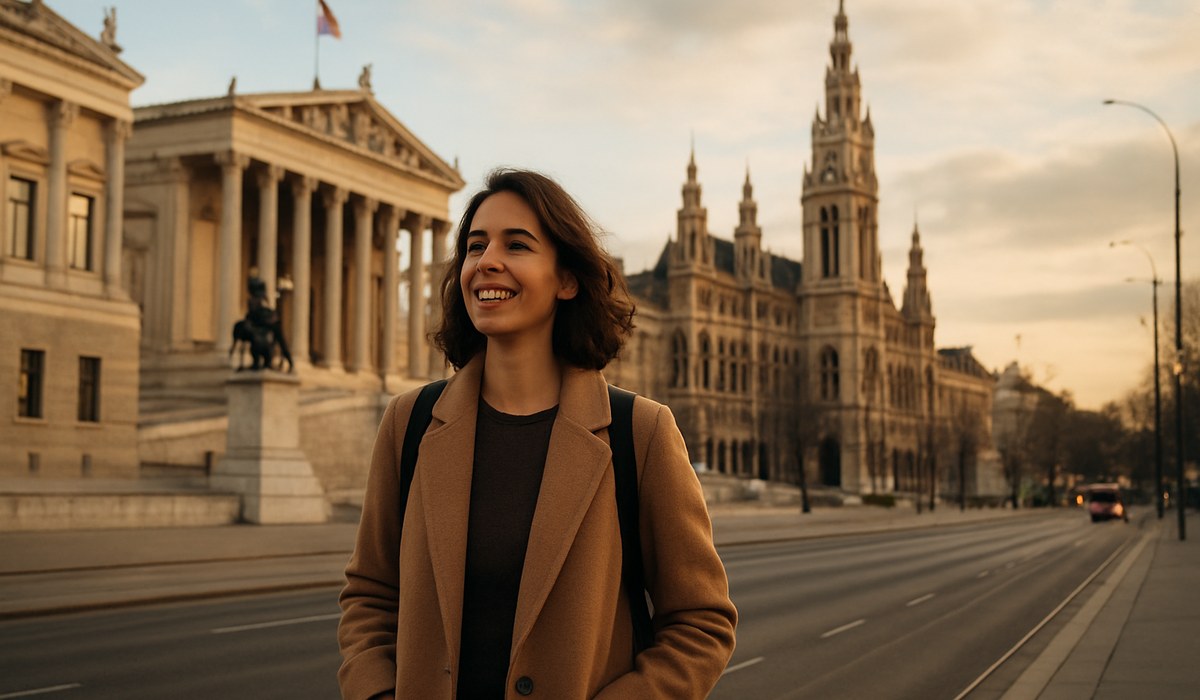
Image generated by AI
Elegant Vienna Defies Its Expensive Reputation in 2026
Vienna arrived with a reputation for ruinous costs. Travelers warned of "Swiss-level prices" and imperial ambitions that required oligarch budgets. Yet this storied European city looks far more welcoming to budget-conscious visitors than its marble facades and ornate spires suggest. A four-day journey through Austria's capital in March 2026 reveals how one of Europe's most architecturally impressive destinations quietly dismantles assumptions about luxury pricing.
The Ringstrasse and State Opera House frame a skyline that whispers exclusivity. Church domes catch afternoon light. Trams glide past boutiques displaying evening wear. Every corner invites wallet-checking anxiety. Yet beneath this polished exterior, Vienna offers remarkable value that catches travelers off guard—and pleased.
First Impressions: Why This European City Looks Deceptively Expensive
The imperial capital deliberately cultivates grandeur. Stepping out at Karlsplatz, visitors encounter the State Opera House, the Karlskirche dome gleaming above tree canopies, and elegant trams sliding past refined storefronts. This European city looks constructed for discerning spenders with deep pockets.
My accommodation near Naschmarkt cost just under 120 euros nightly. The spotless room featured high ceilings, generous breakfast service, and views across red-tiled rooftops. For comparison, similar properties in Paris or Amsterdam had charged identical rates for significantly smaller spaces. Vienna delivered quiet, room to move, and authentic charm at proportionate pricing.
Evening walks along the Ringstrasse revealed white-tablecloth terraces, opera-goers in formal attire, and horse-drawn carriages. The scene screamed unaffordable. A nearby Beisl (traditional Austrian tavern) offered hearty mains between 14–18 euros and house wine at approximately 4 euros per glass. Not budget-basement pricing by Eastern European measures, but nowhere near the gouging that Vienna's appearance suggested.
Vienna's Public Transport: The Travel Hack That Changes Everything
Vienna's transit system operates on economics that seem almost fictional for Western Europe. Annual passes cost around one euro per day for unlimited U-Bahn and tram access—a rate that remains well below two euros daily even after 2026 increases. This pricing structure in one of Europe's wealthier capitals represents genuinely astonishing value.
Visitor 24-hour passes cost under 10 euros for complete network access. The U-Bahn arrives every few minutes. Platform signage is crystal clear. Connections seamless seamlessly. No "tourist surcharge" markup exists here. Riders access identical systems whether traveling to work or sightseeing.
From Spittelberg's pastel architecture to Donau City's modern glass skyline, the card paid for itself within hours of use. The efficiency meant I stopped calculating costs with each journey. No mental currency conversions. No hesitation before tapping my card. The public transport experience shifted from financial burden to logical value—exactly how Vienna's transit authority designed it.
Café Culture: Affordable Elegance in Historic Houses
Vienna's legendary café tradition suggests inflated prices paired with pretentious service. Grand institutions near the Graben seemed destined for expensive indulgence. Waiters in waistcoats glided between marble tables. Glass counters sagged under torte and strudel weight. The setting screamed premium pricing.
A melange arrived at approximately 4 euros. Sachertorte cost around 6 euros per generous slice. Most classic houses permitted hour-long visits without pressure, a cultural norm entirely foreign to North American coffee shops charging similar rates for takeaway cups. Free tap water refills came automatically. The concept of timed table occupancy simply didn't exist.
Neighborhood bakeries offered exceptional value. A flaky Topfenstrudel breakfast cost roughly 3 euros. Stand-up espresso at bakery counters rarely exceeded 2 euros. Sitting outside the MuseumsQuartier—surrounded by modern art museums and baroque palaces—while enjoying a complete breakfast under 4 euros represented old-world elegance at transparent pricing. This European city looks wealthy; its café culture proves wealth doesn't require exploitation pricing.
Live Opera and Standing-Room Revelations
The Vienna State Opera House embodies opulence through every creamy stone detail and ornate carving. The lobby resembles a palace corridor, suggesting that experiencing live performances requires substantial expenditure. This assumption collapses entirely when discovering standing-room ticket availability.
Arriving 80–90 minutes before curtain time, visitors can purchase standing tickets for roughly 15 euros—sometimes significantly less, particularly for rehearsal performances. The Vienna State Opera intentionally prices standing room to ensure accessibility. This strategy transforms world-class performances from luxury indulgence into genuinely affordable cultural experiences.
A complete evening of Mozart or Strauss in one of Europe's most prestigious venues requires less budget than dinner at moderate restaurants elsewhere. The building's prestige doesn't inflate ticket costs beyond reach. Standing-room visitors share spaces with well-dressed regulars, not tourist-exploitation schemes. Check the Vienna State Opera's ticket policies for current pricing and performance schedules.
Schnitzel, Wine, and Local Dining Surprises
Restaurant pricing throughout Vienna defies the expensive-city stereotype. Schnitzel—Austria's iconic dish—ranged from 12–16 euros at casual establishments. Wine by the glass, sourced from nearby Austrian vineyards, cost 4–6 euros for quality selections. A three-course dinner rarely exceeded 35–40 euros per person at non-tourist-focused venues.
Walking beyond the heavily touristed zones near St. Stephen's Cathedral revealed neighborhood restaurants filled with locals. These establishments priced menus identically to visitors. No dual pricing. No "foreigner markups." A hearty goulash with bread cost 9 euros. Fresh salads ran 7–10 euros. Simple desserts like apple strudel finished meals at 4–5 euros.
Market dining at Naschmarkt offered even deeper value. Fruit vendors, bakeries, and prepared-food stalls let travelers assemble picnic meals for under 12 euros. This European city looks expensive partly because its culinary presentation suggests fine-dining standards; the reality proves those standards needn't carry luxury pricing.
Comparing Vienna's Value Against Other European Capitals
| Expense Category | Vienna (2026) | Prague | Paris | Amsterdam |
|---|---|---|---|---|
| Budget Hotel Night | €100–130 | €50–80 | €120–160 | €110–150 |
| Transit 24-Hour Pass | €8.50–10 | €4–5 | €16–18 | €11–13 |
| Main Course (Local Restaurant) | €14–18 | €8–12 | €18–24 | €16–20 |
| Coffee (Café) | €4–4.50 | €2–3 | €5–6 | €4.50–5.50 |
| Opera Standing Room | €8–15 | €10–20 | €15–25 | €12–18 |
| Museum Entry (Major) | €12–16 | €6–10 | €15–18 | €16–20 |
What This Means for Travelers Planning 2026 Visits
Vienna rewards thoughtful travelers with exceptional value despite its refined appearance. Here's how to maximize your budget:
1. Book accommodation slightly removed from Ringstrasse. Hotels and pensions 10–15 minutes from major attractions cost 30–40% less while maintaining quality standards.
2. Purchase transit passes immediately. The 24-hour card (approximately 8.50–10 euros) pays for itself after 3–4 rides. Multi-day passes offer even greater savings.
3. Eat like locals, not tourists. Avoid restaurants immediately adjacent to St. Stephen's Cathedral or major sights. Neighborhood establishments offer identical food at 40–50% lower prices.
4. Pursue standing-room opera tickets. Arriving early on performance evenings provides access to world-class culture for roughly the cost of a restaurant appetizer.
5. Utilize free activities strategically. Many parks, riverfront walks, and architectural viewing spots cost nothing. The Danube Canal promenade offers hours of exploration without entry fees.
6. Time café visits for extended stays. Order one beverage and occupy your table for two hours. No pressure exists, and the cultural norm supports lingering.
FAQ: Vienna's True Cost in 2026
What does this European city look like on a daily budget? Vienna operates on roughly 60–80 euros daily for budget travelers, including hostel accommodation (25–35 euros), meals at local restaurants (25–30 euros), and transit passes (under 10 euros). This figure assumes avoiding major museums on every day. Cultural institutions cost 12–16 euros each. Compared to Paris or Amsterdam, Vienna delivers superior comfort at identical spending levels.
How does Vienna's public transport compare to other expensive European cities? Vienna's annual pass, available to visitors as daily/weekly rates, costs approximately one-third the price of comparable passes in Paris, Amsterdam, or Zurich. The 24-hour visitor card (8.50–10 euros) provides unlimited access across trams, U-Bahn, and buses. Service reliability exceeds most competitors. Standing-room opera pricing alone justified my visit.
Why does this European city look so expensive when it actually isn't? Vienna's architecture, imperial history, and refined aesthetics create visual associations with luxury pricing. However, Austria's social policy emphasizes affordable access to culture, dining, and transit. The city's inhabitants earn respectable incomes but enjoy publicly subsidized services. This philosophy extends hospitality to visitors. Elegance doesn't require exploitation.
Can travelers experience Vienna's best attractions without enormous spending? Absolutely. Standing-room opera tickets (15 euros or less) provide world-class performances. The Danube Canal offers free riverside walks. Historic parks like Augarten permit free entry. Schönbrunn Palace tours cost 16 euros. Coffee-culture experiences cost 4–6 euros. Museums average 12–16 euros. A rewarding week-long visit fits comfortably within 500–600 euros for solo travelers.
Related Travel Guides
- Delta Airlines Atlanta Flight DL1182: Emergency Landing in Tallahassee After Mid-Air Diversion
- Miami and Orlando Lead US Tourism Growth in 2026 Welcoming Millions of International Visitors
- American Airlines Prepares RFP for Seatback Screens and High-Speed Connectivity on Narrowbody Fleet in 2026
Disclaimer
Disclaimer
This article is for informational and educational purposes only. It does not constitute legal, financial, or professional advice. While we strive to provide accurate and up-to-date information, travel policies, regulations, and conditions change rapidly. Always verify information with official sources before making travel decisions. Nomad Lawyer makes no representations about the accuracy, reliability, completeness, or suitability of the information provided. Readers should consult qualified professionals for advice specific to their circumstances. The views expressed in this article are those of the author and do not necessarily reflect the views of Nomad Lawyer.
Raushan Kumar
Founder & Lead Developer
Full-stack developer with 11+ years of experience and a passionate traveller. Raushan built Nomad Lawyer from the ground up with a vision to create the best travel and law experience on the web.
Learn more about our team →