
New Jersey Tourism Sees Growth in Seasonal Attractions and Interactive Outdoor Entertainment Experiences, Get the Details Here
New Jersey Tourism Sees Growth in Seasonal Attractions and Interactive Outdoor Entertainment Experiences, Get the Detail

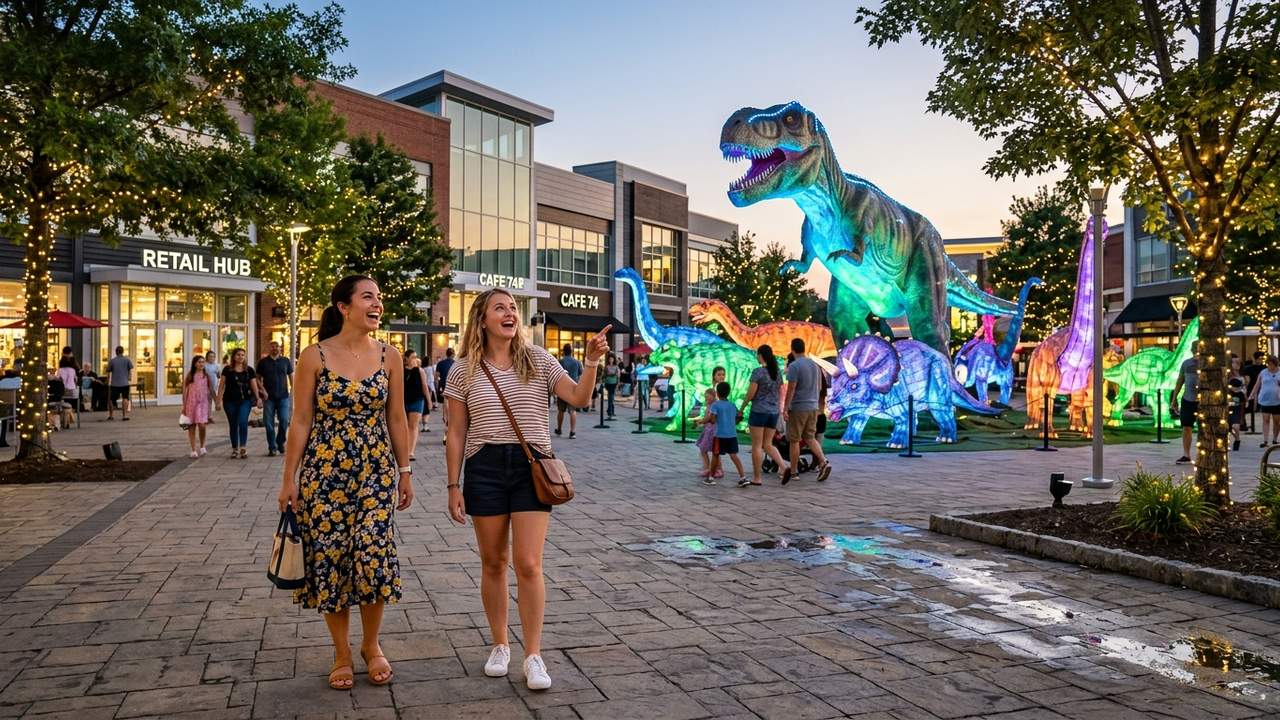
Image generated by AI
[Freehold, New Jersey, June 21, 2026] — New Jersey seasonal tourism operations are capturing significant regional attention as a large-scale interactive outdoor attraction opens at a major suburban retail center ahead of the peak summer travel period. Industry observers note that the installation directly targets domestic family travelers from surrounding metropolitan corridors, effectively redirecting short-duration leisure spending toward suburban commercial districts.
Background / context section The regional tourism landscape continues to shift toward temporary, high-impact entertainment models that operate outside traditional destination boundaries. Commercial real estate developers and local tourism boards increasingly recognize that seasonal installations generate measurable economic activity by converting standard retail footprints into multi-purpose leisure venues. This strategic pivot responds to changing consumer preferences, where families prioritize accessible, time-efficient recreational options over long-distance vacation planning.
Freehold Mall Unveils Large-Scale Dinosaur Light Walk
A massive walk-through environment featuring illuminated prehistoric displays has officially opened at the Freehold Raceway Mall facility. The attraction utilizes themed pathways and synchronized lighting technology to create an immersive visitor experience that operates entirely within a fixed commercial venue. Tourism analysts emphasize that this configuration maximizes operational efficiency while maintaining high engagement levels throughout the installation window.
The design specifically encourages extended visitor dwell time, which measures how long guests remain within a destination before departing. Venue operators track this metric closely because longer stays directly correlate with increased spending at adjacent dining and retail establishments. The installation runs on a fixed schedule that aligns precisely with peak summer leisure periods, ensuring consistent daily attendance without requiring permanent infrastructure investments.
Northeast Corridor Drives Regional Family Travel Demand
Travel patterns across the densely populated Northeast Corridor demonstrate a clear preference for short-haul family destinations during national holiday periods. Visitors from New York City and Philadelphia consistently utilize the region’s extensive highway networks to access suburban entertainment hubs within a two-hour driving radius. This geographic advantage allows regional tourism operators to capture a substantial share of domestic leisure spending without competing against coastal resort markets.
Industry data indicates that families actively seek recreational experiences that minimize travel fatigue while maximizing interactive entertainment value. The dinosaur light installation directly addresses this demand by offering a controlled, weather-independent environment that operates safely during extended evening hours. Regional transit authorities and highway maintenance teams coordinate seasonal traffic management plans to accommodate the anticipated surge in weekend vehicle volume.
Retail Spaces Transform Into Temporary Experiential Hubs
Commercial properties across the United States are rapidly adapting to accommodate experiential tourism models that blend entertainment with traditional retail environments. The Freehold facility represents a deliberate strategy to diversify visitor demographics beyond standard shopping traffic. By integrating large-scale themed installations, property managers successfully convert underutilized parking lots and open plazas into high-yield entertainment zones.
This operational model requires precise logistical planning, including temporary power distribution, crowd control infrastructure, and standardized safety protocols. Venue security teams implement timed entry systems during peak attendance windows to maintain optimal guest flow and prevent congestion. The integration of visual design and interactive staging transforms conventional commercial spaces into temporary destination attractions that generate social media engagement and repeat visitation.
Summer Holiday Scheduling Boosts Local Economic Output
Tourism operators strategically align seasonal installations with established vacation calendars to maximize attendance during predictable demand windows. The current deployment coincides with extended school breaks and the Independence Day holiday period, which historically drives regional travel activity across the northeastern United States. Economic impact studies consistently show that temporary attractions generate multiplier effects that benefit surrounding hospitality and service sectors.
Local business owners report increased transaction volumes for food service providers, retail merchandise vendors, and transportation operators. The installation operates within a defined seasonal framework that allows municipal authorities to allocate additional public safety resources and traffic management personnel. This predictable scheduling model enables precise budget forecasting and seasonal hiring practices that stabilize local employment rates during summer months.
Seasonal Installations Reshape Suburban Visitor Patterns
Traditional tourism distribution models historically concentrated visitor traffic within central metropolitan areas and established coastal recreation zones. Suburban commercial districts now function as secondary destination nodes that successfully absorb overflow demand from primary tourist corridors. The Freehold installation demonstrates how strategically placed entertainment infrastructure can redirect regional travel patterns toward peri-urban destinations.
Destination marketing organizations leverage this shift by promoting suburban attractions as complementary components of broader regional travel itineraries. Families frequently combine entertainment visits with adjacent dining experiences, souvenir purchases, and casual retail browsing during single-day excursions. This integrated consumption pattern generates sustained economic activity that extends beyond the primary attraction boundaries.
Impact analysis section The operational success of this installation directly influences regional tourism infrastructure planning and commercial real estate valuation. Property management firms increasingly prioritize experiential programming to maintain competitive positioning in suburban markets that face shifting consumer shopping behaviors. Municipal planning departments recognize that temporary entertainment installations require streamlined permitting processes to accelerate seasonal deployment and reduce administrative delays.
Transportation authorities must continuously evaluate parking capacity and traffic flow metrics to accommodate temporary venue expansions. Local economic development agencies track visitor spending data to quantify the installation’s contribution to regional GDP and seasonal employment generation. The convergence of entertainment, retail, and hospitality sectors creates a resilient economic model that withstands fluctuations in traditional tourism demand.
Forward-looking conclusion Regional tourism operators will likely expand similar temporary installations across suburban commercial districts to capitalize on established domestic travel patterns. Municipal planning frameworks will continue evolving to support rapid deployment of seasonal entertainment infrastructure while maintaining public safety standards. Commercial real estate developers will increasingly integrate experiential programming into property master plans to ensure long-term visitor engagement and economic sustainability.
Related Travel Guides
Disclaimer
This article is for informational and educational purposes only. It does not constitute legal, financial, or professional advice. While we strive to provide accurate and up-to-date information, travel policies, regulations, and conditions change rapidly. Always verify information with official sources before making travel decisions. Nomad Lawyer makes no representations about the accuracy, reliability, completeness, or suitability of the information provided. Readers should consult qualified professionals for advice specific to their circumstances. The views expressed in this article are those of the author and do not necessarily reflect the views of Nomad Lawyer.
Raushan Kumar
Founder & Lead Developer
Full-stack developer with 11+ years of experience and a passionate traveller. Raushan built Nomad Lawyer from the ground up with a vision to create the best travel and law experience on the web.
Learn more about our team →