New Caledonia Tourism Resets Global Strategy: New Marketing Agencies in France, Australia, and New Zealand to Accelerate Recovery

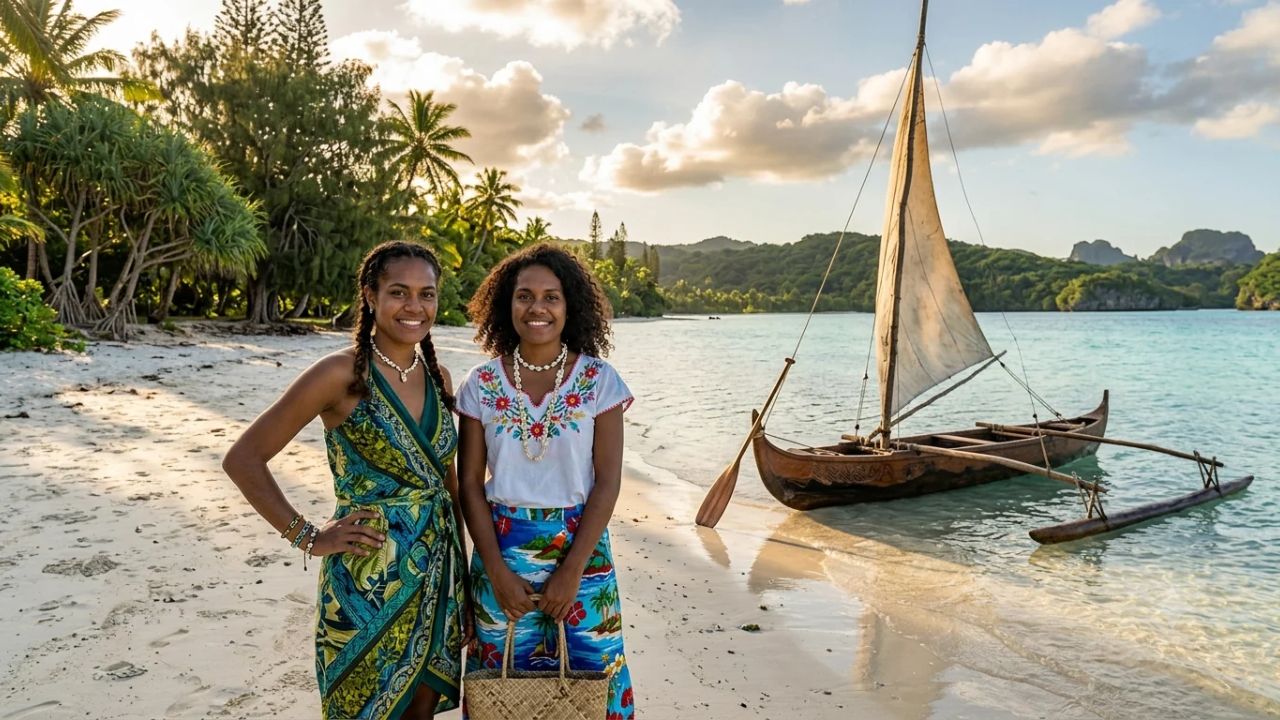
New Caledonia Tourism has appointed new marketing agencies across France, Australia, and New Zealand to spearhead its international visitor recovery
[NOUMÉA, Oct 30, 2026] — Accelerating its international visitor recovery following recent socio-political turbulence, New Caledonia Tourism has restructured its global representation network, appointing Paris-based Article Onze for mainland France and Sydney-based Gate 7 for Australia and New Zealand.
[!NOTE] Strategic Representation Overview: The marketing transitions take effect in late 2026 and early 2027, with Article Onze succeeding Hopscotch in France in November 2026, while Gate 7 replaces Nouvelle Vague Marketing across Australia and New Zealand on January 1, 2027. The realignment coincides with encouraging tourism recovery data: air visitor arrivals in the first eight months of 2026 recovered to 61% of 2023 pre-crisis levels (+38% year-on-year compared to 2025), while cruise passenger volumes reached 75% of 2023 benchmarks.
NEW CALEDONIA TOURISM GLOBAL MARKETING REALIGNMENT
| Column 1 |
|---|
| [ HEADQUARTERS: NOUVELLE-CALÉDONIE TOURISME (NOUMÉA) ] |
| Overseeing post-crisis recovery, destination repositioning, and international trade relations |
| +----------------------------+-----------------------------+ |
| v [ EUROPEAN LONG-HAUL MARKET ] v [ SHORT-HAUL APAC CORRIDOR ] |
| ARTICLE ONZE (PARIS, FRANCE) GATE 7 (SYDNEY, AUSTRALIA) |
| - Appointed: November 2026 (Succeeds Hopscotch) - Appointed: January 2027 (Ex-Nouvelle) |
| - Market Focus: Mainland France diaspora & luxury - Scope: Australia & New Zealand |
| - Primary Themes: Kanak culture, French Pacific lifestyle - Core Focus: Proximity (2-3 hr hops) |
| - Avg. Stay Duration: 18 to 25 days - Target: Eco-adventure & short-breaks |
| +----------------------------+-----------------------------+ |
| v |
| [ RECOVERY BENCHMARKS (FIRST 8 MONTHS OF 2026) ] |
| - Air Tourist Arrivals: 61% of 2023 level (+38% increase vs. 2025) |
| - Cruise Passenger Volume: 75% of 2023 level |
| - Core Anchor Assets: UNESCO Lagoon, Heart of Voh, Loyalty Islands (Lifou, Maré, Ouvéa) |
Strategic Realignment: Rebuilding Visitor Confidence and Global Visibility
The decision by New Caledonia Tourism (Nouvelle-Calédonie Tourisme) to refresh its international agency representation marks an important turning point in the French Pacific territory’s tourism trajectory. The destination has faced dual recovery challenges: recovering from the global pandemic followed by the severe economic and infrastructure disruptions caused by civil unrest in mid-2024.
Throughout late 2024 and 2025, commercial aviation was temporarily restricted, hotel operations suffered severe cancellations, and international media coverage shifted toward civil demonstrations. However, sustained institutional efforts to restore stability, rebuild damaged commercial facilities, and provide reassurance to overseas travel partners have yielded tangible recovery momentum.
Official performance statistics covering the first eight months of 2026 illustrate a steady rebound in visitor traffic:
- Air Passenger Arrivals: Reached approximately 61% of the baseline volume recorded during the corresponding pre-crisis period in 2023. This represents a 38% increase in air arrivals compared to the low point of 2025.
- Cruise Passenger Recovery: Port calls across Nouméa and the outer islands rebounded to approximately 75% of their 2023 levels, with major regional cruise operators resuming scheduled calls as port safety and local touring protocols were restored.
By selecting new marketing agencies in its primary source markets, the territorial tourism board is shifting from reactive crisis management toward proactive destination marketing. The objective is to reshape international perceptions, positioning New Caledonia not through the lens of political conflict, but as an extraordinary South Pacific archipelago defined by peaceful lagoons, rich Kanak indigenous traditions, and refined French culinary culture.
The economic stakes behind this marketing revitalization are profound. For decades, New Caledonia’s economy has been heavily reliant on nickel extraction and metallurgy, which accounts for the vast majority of its export earnings. However, global commodity price volatility and structural transitions in battery manufacturing have highlighted the vulnerability of a single-commodity economy. Tourism provides essential economic diversification, generating distributed employment across regional provinces that cannot support heavy industry. Rebuilding international visitor flows channels direct capital to Kanak family-owned guesthouses, local transport cooperatives, dive centers, and independent food producers.
To underpin this recovery, the French State and territorial authorities have implemented coordinated support measures. Public investments have stabilized commercial operations, supported airline seat capacity through territorial carrier Aircalin, and provided vocational retraining for hospitality staff across Nouméa and the Loyalty Islands. The refreshed marketing appointments represent the external promotional arm of this broader recovery blueprint, designed to translate restored domestic stability into booked international itineraries.
Article Onze in France: Deepening Ties with the European Long-Haul Origin
Beginning in November 2026, Paris-based agency Article Onze will take charge of New Caledonia’s tourism representation across mainland France, taking over from Hopscotch, whose contractual mandate concludes at the end of October 2026.
FRANCE SOURCE MARKET ATTRIBUTES & STRATEGY
| Column 1 |
|---|
| [ STRUCTURAL MARKET FOUNDATIONS ] |
| - Deep historical, administrative, linguistic, and familial connections. |
| - Steady base of "VFR" (Visiting Friends and Relatives) and civil service relocation travelers. |
| - High-spending long-haul holidaymakers seeking extended winter sun escapes. |
| [ ARTICLE ONZE MARKETING PRIORITIES ] |
| - B2B Travel Trade Training: Re-educating French travel advisors and tour operators. |
| - High-Impact Digital Campaigns: Spotlighting UNESCO marine sites and Kanak cultural routes. |
| - Premium Leisure Positioning: Emphasizing boutique luxury, wellness, and self-drive touring. |
| - Extended Length of Stay: Promoting 3-week multi-island itineraries combining Grande Terre |
| with the Loyalty Islands and the Isle of Pines. |
France represents New Caledonia’s most resilient long-haul source market. Despite the 17,000-kilometer distance separating Paris from Nouméa, French holidaymakers account for a large portion of international tourism revenue due to their extended duration of stay, which frequently averages between 18 and 25 days.
Article Onze brings extensive experience in long-haul destination representation, public relations, and travel trade distribution. The agency's promotional strategy focuses on several core initiatives:
- Travel Trade Re-Engagement: Conducting nationwide educational roadshows for French travel agents, updating wholesale tour operators on reopened resorts, and establishing co-op marketing packages with international airlines.
- Cultural and Eco-Tourism Promotion: Highlighting the authentic heritage of the Kanak people, community-based homestays, and hiking trails in the Great South and North provinces.
- Seasonal Winter Promotion: Marketing New Caledonia as a warm-weather refuge for French holidaymakers traveling during the European winter months between November and March.
| Target Market | Incoming Representation Agency | Effective Launch Date | Outgoing Agency | Primary Market Characteristics |
|---|---|---|---|---|
| Mainland France | Article Onze (Paris) | November 2026 | Hopscotch | Long-haul, high dwell time (18–25 days), cultural ties |
| Australia | Gate 7 (Sydney) | January 2027 | Nouvelle Vague Marketing | Short-haul (sub-3 hr flight), high repeat weekenders |
| New Zealand | Gate 7 (Sydney/Auckland) | January 2027 | Nouvelle Vague Marketing | Direct flights from Auckland, eco-adventurers, sailors |
| Japan | Coordinated via NCT Hub | Ongoing Strategy | Retained Partners | Historic cultural connections, luxury and diving focus |
Gate 7 in Australia and New Zealand: Capitalizing on Regional Proximity
Starting January 1, 2027, Sydney-based representation agency Gate 7 will assume responsibility for New Caledonia Tourism’s campaigns across Australia and New Zealand, succeeding Nouvelle Vague Marketing following the expiration of its contract on December 31, 2026.
AUSTRALIA & NEW ZEALAND SHORT-HAUL STRATEGY
| Column 1 |
|---|
| [ GEOGRAPHIC ADVANTAGE: ACCESSIBLE ISLAND GETAWAY ] |
| - Flight from Brisbane to Nouméa: ~2 hours |
| - Flight from Sydney to Nouméa: ~2 hours 45 minutes |
| - Flight from Auckland to Nouméa: ~2 hours 45 minutes |
| [ GATE 7 STRATEGIC ROADMAP ] |
| - Repositioning against Fiji and Bali: Presenting a sophisticated European-Pacific alternative. |
| - Targeting Affluent DINKs (Dual Income No Kids) & Active Empty Nesters for 4-to-7 day getaways. |
| - Expanding Airline Partnerships with Aircalin and Qantas to launch tactical fare sales. |
| - Promoting World-Class Water Sports: Kitesurfing, windsurfing, scuba diving, and sailing. |
Australia and New Zealand represent New Caledonia’s most natural geographic source markets. Nouméa is situated closer to Brisbane and Sydney than many Australian domestic holiday destinations, with flight times under three hours aboard international carrier Aircalin or partner airlines like Qantas.
Gate 7 is recognized across the Australasian travel industry for its creative consumer campaigns, media relations, and trade engagement. The agency’s strategic mandate centers on differentiating New Caledonia from regional competitors:
- The "French Touch" in the South Pacific: Promoting Nouméa as a culinary and lifestyle escape where travelers can enjoy Parisian-style bakeries, waterfront bistros serving French wine and imported cheeses, and luxury overwater bungalows without enduring long-haul flights to Europe.
- Short-Break and Eco-Adventure Marketing: Positioning the territory as an ideal destination for four-to-seven-day getaways, targeting Australian and Kiwi travelers interested in kitesurfing at Anse Vata, scuba diving along the barrier reef, and mountain biking through the red-earth landscapes of the Great South.
- Strengthening Retail Distribution: Working closely with major travel agencies and online platforms across Sydney, Melbourne, Brisbane, and Auckland to package seamless flight-and-resort bundles.
Natural Wonders: The World's Largest Lagoon, Heart of Voh, and Coral Sanctuaries
New Caledonia’s primary competitive advantage in the global tourism marketplace is its exceptional natural environment. The archipelago features an extraordinary range of ecosystems, from dense rainforests and mountain chains to mangrove swamps and coral atolls.
ICONIC NATURAL ASSETS OF NEW CALEDONIA
| Column 1 |
|---|
| [ UNESCO WORLD HERITAGE LAGOON (INSCRIBED 2008) ] |
| - Total Area: 24,000 square kilometers (World's largest enclosed coral lagoon). |
| - Second Largest Double-Barrier Coral Reef System on Earth (1,600 km long). |
| - Critical Sanctuary for Endangered Species: Dugongs, green sea turtles, humpback whales. |
| [ THE HEART OF VOH (CŒUR DE VOH) ] |
| - Naturally formed 4-hectare clearing of mangrove vegetation in the North Province. |
| - Immortalized on the cover of Yann Arthus-Bertrand's global photography book "Earth from Above" |
| - Explored via scenic ultralight flights (ULM) departing from Koné airfield. |
| [ ISLE OF PINES (ÎLE DES PINS) ] |
| - Ancient columnar pine trees (Araucaria columnaris) fringing white-sand bays. |
| - Natural Swimming Pool (Piscine Naturelle) of Oro Bay: Clear seawater channel for snorkeling. |
| - Traditional outrigger pirogues sailing across the mirror-like waters of Upi Bay. |
The UNESCO World Heritage Lagoon
In 2008, UNESCO inscribed The Lagoons of New Caledonia: Reef Diversity and Associated Ecosystems onto the World Heritage list. Spanning 24,000 square kilometers, it is the largest enclosed marine lagoon on Earth, protected by a continuous 1,600-kilometer double barrier reef.
The marine ecosystem supports extraordinary biodiversity, including thousands of species of mollusks, crustaceans, and tropical fish. It serves as one of the world's primary global refuges for the endangered dugong (sea cow) and provides essential nesting beaches for green, loggerhead, and hawksbill sea turtles. Between July and September, the southern waters of the lagoon become a calving and nursery ground for migrating humpback whales.
The Heart of Voh
Located along the northwestern coast of Grande Terre near the town of Voh, the Heart of Voh is an internationally recognized natural wonder. Formed naturally within a four-hectare mangrove swamp, variations in tidal saltwater saturation cause dwarf mangrove trees (Avicennia marina) to create a distinct, heart-shaped clearing.
The formation was popularized globally by photographer Yann Arthus-Bertrand, whose aerial image became the cover of his landmark environmental book Earth from Above. Travelers experience the landmark via guided flights in ultralight aircraft (ULM) taking off from nearby Koné, offering views of the mangrove heart framed by turquoise ocean channels and rugged mountain ranges.
The Isle of Pines: Jewel of the South
Located 100 kilometers southeast of Nouméa, the Isle of Pines (Île des Pins) is famous for its towering columnar pine trees (Araucaria columnaris), an ancient coniferous species native to the territory.
Visitors explore the Natural Swimming Pool at Oro Bay, a tranquil, seawater lagoon separated from the crashing surf by a natural coral ledge, creating a natural aquarium filled with butterflyfish and giant clams. Traditional Kanak wooden outrigger pirogues with canvas sails carry travelers across Upi Bay, drifting silently through turquoise channels studded with coral mushroom rocks.
REGIONAL ISLAND TOURISM CLUSTERING
| Column 1 |
|---|
| [ GRANDE TERRE (MAINLAND) ] |
| - Nouméa: Urban harbor, cultural museums, waterfront dining, overwater resorts. |
| - North Province: Heart of Voh, mining heritage, horse trekking with local Stockmen. |
| - South Province: Rivière Bleue Provincial Park, drowning forests, red soil adventure trails. |
| +----------------------------+-----------------------------+ |
| v v |
| [ LOYALTY ISLANDS (EASTERN ATOLLS) ] [ ISLE OF PINES (SOUTHERN CORONA) ] |
| - Lifou: Coral cliffs, vanilla farms, Kanak homestays - Columnar pines, Oro Bay natural pool |
| - Maré: Mysterious sinkholes, wild avocado orchards - Traditional outrigger pirogues |
| - Ouvéa: 25 km uninterrupted white-sand crescent - Kuto Bay white powder sand beaches |
The Biodiversity of the Grand Sud and Rivière Bleue
Beyond the coastline, Grande Terre’s terrestrial ecosystems boast some of the highest botanical endemism rates on Earth. In the South Province, the Rivière Bleue Provincial Park covers 9,000 hectares of ancient rainforests and ultramafic red-clay soils.
The reserve serves as a sanctuary for the Kagu (Rhynochetos jubatus), an endangered, flightless crested bird found exclusively in New Caledonia that barks like a small dog and serves as the territory's national symbol. Visitors explore the drowned forest (Forêt Noyée)—where centuries-old bleached trunks of white oak trees emerge from an artificial lake—paddling by kayak through tranquil waterways, and walk beneath the Grand Kaori, an immense native conifer tree estimated to be more than 1,000 years old.
Kanak Heritage in the Loyalty Islands: Community Tourism in Lifou, Maré, and Ouvéa
While the mainland offers sophisticated French dining and modern infrastructure, the Loyalty Islands (Îles Loyauté)—comprising Lifou, Maré, and Ouvéa—provide travelers with deep cultural immersion into indigenous Kanak traditions.
THE LOYALTY ISLANDS: CULTURAL & ENVIRONMENTAL PROFILE
| Column 1 |
|---|
| [ LIFOU (DREHU) - THE LARGEST ATOLL ] |
| - Dramatic coral limestone cliffs of Jokin plunging into deep indigo ocean. |
| - Luengoni Beach: Aquamarine bays with submerged limestone sinkholes for cave diving. |
| - Agricultural Heritage: Organic vanilla plantations producing world-class vanilla beans. |
| [ MARÉ (NENGONE) - THE WILD UNTOUCHED ISLAND ] |
| - Rugged landscape of ancient raised coral terraces, deep forests, and subterranean caves. |
| - Bone Hole (Trou de Bone): A mysterious, circular natural sinkhole plunging 30 meters. |
| - Annual Avocado Festival: Celebrating community agriculture and tribal harvest hospitality. |
| [ OUVÉA (IAAI) - THE ATOLL NEAREST TO PARADISE ] |
| - Spectacular 25-kilometer continuous beach of pristine, powdery white coral sand. |
| - Mouli Bridge: Landmark viewpoint overlooking channels where rays and sharks glide below. |
| - Home to the endangered green Ouvéa parakeet, found nowhere else on the planet. |
The Kanak Custom: Traditional Etiquette and Welcoming Rituals
In Kanak society, land and culture are intertwined with customary tribal governance. When visiting indigenous villages or entering tribal territories in the Loyalty Islands, travelers participate in La Coutume (The Custom), a traditional greeting ritual:
- Presenting the Offering: The visitor presents a modest gift to the village chief or landowner—traditionally a small piece of fabric (manou), accompanied by a small coin or bank note (such as 500 or 1,000 CFP Francs).
- The Dialogue: The visitor introduces themselves, explains the purpose of their visit, and requests permission to explore the land or beach. The host accepts the gift with words of welcome, extending tribal hospitality and ancestral protection.
This exchange establishes mutual respect, ensuring that tourism supports local communities while honoring indigenous autonomy.
Traditional Culinary Heritage: The Bougna
The centerpiece of Kanak culinary tradition is the Bougna, a celebratory dish prepared for communal gatherings.
Chunks of chicken, freshly caught reef fish, or lobster are marinated in freshly squeezed coconut milk alongside yams, sweet potatoes, taro, and plantain bananas. The mixture is wrapped tightly in banana leaves, tied with vines, and placed into a shallow earth pit filled with river stones that have been heated over an open wood fire. Covered with sand and leaves, the Bougna slow-steams for several hours, producing tender meats infused with sweet coconut milk and roasted root aromatics.
| Destination | Primary Geographic Character | Key Cultural & Outdoor Experiences | Access & Logistics |
|---|---|---|---|
| Lifou | Expansive raised coral atoll | Jokin cliffs, vanilla farm visits, tribal homestays | Daily flights from Nouméa (40 mins via Air Calédonie) |
| Maré | Rugged coral terraces & sinkholes | Trou de Bone, Yejele Beach, Avocado Festival | Daily flights from Nouméa (40 mins) or Betico ferry |
| Ouvéa | Pristine coral sand crescent | Mouli Bridge, 25km beach, Ouvéa parakeet birding | Daily flights from Nouméa (40 mins via Air Calédonie) |
| Isle of Pines | Volcanic isle lined with pine trees | Oro Bay natural pool, Upi Bay pirogue sailing | 30-min flight from Magenta or 2.5-hr fast ferry |
| Nouméa | Peninsula city on Grande Terre | Tjibaou Cultural Centre, Baie des Citrons dining | International hub (La Tontouta Airport) |
Infrastructure and Travel Logistics: Air Connections, Seasons, and Practical Advice
Planning an expedition to New Caledonia requires understanding inter-island transportation logistics and seasonal weather transitions.
NEW CALEDONIA TRAVEL LOGISTICS CHECKLIST
| PHASE 1: INTERNATIONAL FLIGHTS & AIRPORT TRANSIT |
|---|
| - International Gateway: La Tontouta International Airport (NOU), located 45 km north of Nouméa. |
| - Primary Carrier: Aircalin (modern fleet of Airbus A330neo and A320neo aircraft). |
| - Regional Flight Durations: Sydney (2h 45m), Brisbane (2h 00m), Auckland (2h 45m), Tokyo (8h 30m) |
| PHASE 2: DOMESTIC INTER-ISLAND CONNECTIONS |
| - Domestic Aviation: Air Calédonie operates ATR 72-600 aircraft from Magenta Airport (GEA), |
| located conveniently inside Nouméa city limits, connecting to Lifou, Maré, Ouvéa & Isle of Pines |
| - Maritime Ferry: Betico high-speed passenger catamaran operates scheduled runs to outer isles. |
| PHASE 3: CURRENCY, CLIMATE & PACKING ADVICE |
| - Currency: French Pacific Franc (CFP / XPF); fixed exchange rate to the Euro (1 EUR = 119.33 XPF) |
| - Climate Seasons: Warm tropical season (Nov to March; 26-30°C); cooler season (Apr to Oct; 20-25°C) |
| - Practical Packing: Reef-safe sunscreen, sturdy reef booties, modest clothing for tribal visits. |
Navigating Airport Gateways
Travelers arriving internationally touch down at La Tontouta International Airport (NOU), situated 45 kilometers north of Nouméa. Shuttles, public coaches, and car rentals connect the terminal to the capital along the Route Territoriale 1 (RT1) highway in approximately 45 minutes.
Travelers continuing on domestic flights to the Loyalty Islands or the Isle of Pines must transfer to Magenta Domestic Airport (GEA), located directly within Nouméa’s urban area. Passengers should allow at least two to three hours between international arrival at La Tontouta and domestic connection from Magenta.
Seasonal Planning and Climate
New Caledonia enjoys a semi-tropical climate governed by easterly trade winds:
- The Warm Season (November to April): Features daytime temperatures averaging between 26°C and 30°C with higher humidity. Tropical rains and localized depressions can occur, particularly from January to March.
- The Cool Season (May to October): Offers daytime highs between 20°C and 25°C with lower humidity and refreshing evening breezes. This is widely considered the ideal season for hiking, self-drive road trips, and cultural touring.
Currency and Financial Systems
The local currency is the Comptoirs Français du Pacifique Franc (CFP Franc, or XPF). The currency is legally pegged to the Euro at a fixed parity rate of 1 Euro to 119.33 XPF. Credit cards (Visa and Mastercard) are widely accepted across hotels, rental agencies, and supermarkets on Grande Terre.
However, travelers venturing to the Loyalty Islands or staying in tribal homestays should carry cash in CFP Francs, as smaller local grocery stores and village hosts may not possess electronic card readers.
The appointment of Article Onze in France and Gate 7 in Australia and New Zealand equips New Caledonia with experienced marketing partners to drive its international visitor recovery. By combining targeted promotional campaigns with the preservation of its UNESCO-recognized marine ecosystems and living Kanak heritage, the territory is re-establishing its standing as one of the South Pacific's most compelling destinations.
Frequently Asked Questions (PAA)
What new marketing agencies has New Caledonia Tourism appointed?
New Caledonia Tourism has appointed Paris-based agency Article Onze to lead destination marketing across mainland France starting November 2026, and Sydney-based agency Gate 7 to manage representation across Australia and New Zealand beginning January 1, 2027.
How is New Caledonia's tourism recovery progressing in 2026?
During the first eight months of 2026, international air tourist arrivals recovered to approximately 61% of pre-crisis 2023 levels, representing a 38% increase compared to 2025. In addition, cruise ship passenger volumes rebounded to roughly 75% of their 2023 baseline levels as international sailings resumed.
What are the main tourist attractions in New Caledonia?
Major attractions include the UNESCO World Heritage-listed barrier reef and lagoon, the natural mangrove Heart of Voh, the Isle of Pines with its columnar pine trees and natural seawater pool, and the Loyalty Islands (Lifou, Maré, and Ouvéa), known for their Kanak cultural traditions and white-sand beaches.
How do travelers reach New Caledonia from Australia and New Zealand?
Travelers can fly directly to La Tontouta International Airport (NOU) near Nouméa aboard international carrier Aircalin or partner airlines like Qantas. Direct flights take approximately two hours from Brisbane, and under two hours and 45 minutes from Sydney and Auckland.
What is the customary protocol when visiting Kanak tribal villages?
When visiting indigenous Kanak villages or tribal lands in the Loyalty Islands, visitors should practice La Coutume (The Custom). This involves presenting a small piece of cloth (manou) and a small cash offering (500 to 1,000 CFP Francs) to the village elder or chief, introducing oneself and respectfully requesting permission to visit their ancestral lands.
Related Travel Guides
This article is for informational purposes. Flight routes, passenger regulations, visa rules, and transit advisories are subject to change by airlines and aviation authorities. Readers are advised to verify schedules and travel documentation with relevant carriers and border agencies before departure.
Related Stories
New Zealand Tourism Surges to 99% Pre-Pandemic Level as Chinese Visitor Spend Hits NZ$1.5 Billion
Ireland and Sweden Lead Global Push for High-Yield US Tourism: Luxury B2B Summits, Off-Peak Travel, and Regional Dispersal in 2026