
Kosovo Tourism Defies Global Energy Crisis with 2.7% Surge in 2026 Overnights: How the Balkan Hub Surmounts Strait of Hormuz Tensions and Rising Oil Prices to Offer a Resilient Travel Alternative
Kosovo's tourism sector has recorded a 2.7% increase in foreign tourist overnights in March 2026, positioning itself as a resilient Balkan sanctuary despite the global energy crisis and Strait of Hormuz shipping disruptions.

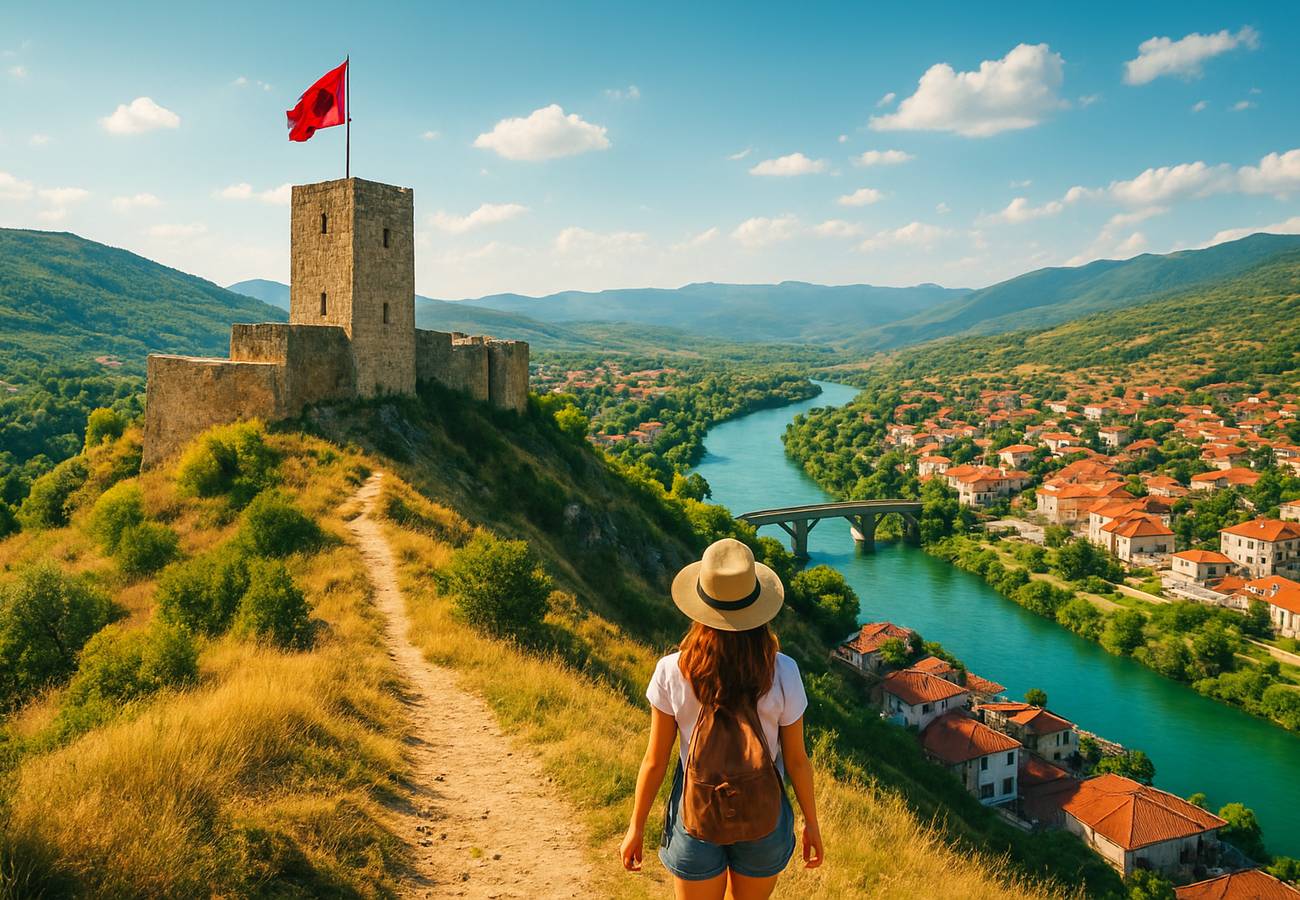
Image generated by AI
Quick Summary
- Arrivals Surge: Kosovo recorded 52,226 overnight stays for foreign tourists in March 2026, a 2.7% increase year-on-year.
- Balkan Resilience: Growth continues despite a severe global energy crisis and the US-Iran conflict, which have inflated aviation fuel costs.
- Strategic Hub: The country is leveraging its status as a "safe and affordable" European sanctuary amid shipping disruptions and Strait of Hormuz blockade threats.
- Top Source Markets: Albania, Germany, and Switzerland remain the primary drivers of international footfall.
- Key Assets: Historic cities like Prizren and Pristina, and natural wonders like Rugova Canyon, are seeing record engagement.
- Economic Impact: Tourism is emerging as a vital engine of economic development, creating jobs in hospitality and event planning.
- Source: Kosovo Agency of Statistics (ASK) Tourism Performance Report, May 7, 2026.
PRISTINA — In a year defined by unprecedented geopolitical volatility and a tightening global energy crisis, Kosovo has emerged as a startling success story in the Balkan tourism landscape. According to breaking data released on May 7, 2026, the youngest nation in Europe has achieved a 2.7% year-over-year surge in foreign tourist overnights. This growth is being analyzed by senior global affairs journalists as a significant strategic pivot, occurring precisely as Gulf tensions and the threat of a Strait of Hormuz closure send shockwaves through the global aviation and maritime trade networks.
Expanded Overview: A Balkan Sanctuary in a Volatile World
The 52,226 overnight stays recorded in March 2026 signal more than just a seasonal uptick; they represent Kosovo’s transition into a "resilient destination." While the US-Iran conflict has led to significant airspace rerouting and increased "conflict surcharges" on airfares, Kosovo has successfully positioned itself as a secure, high-value alternative to traditional Western European hubs. The scale of this achievement is underscored by the fact that global oil affected by Middle Eastern instability typically dictates the cost of 20% of the world's commercial aviation fuel. Kosovo’s ability to draw record numbers from Germany and Switzerland highlights its increasing status as a "safe haven" for those seeking value without compromising on cultural depth.
Geopolitical Context: Navigating the Strait of Hormuz and Balkan Stability
The broader geopolitical landscape in 2026 has been dominated by the standoff in the Strait of Hormuz. As Saudi Arabia, the UAE, and Qatar work to maintain global supply chains, the threat of a full-scale blockade has forced many travelers to reconsider long-haul flights. Kosovo, however, has capitalized on its "European Core" position. By maintaining stable infrastructure and investing in regional connectivity, the country has shielded its visitors from the worst of the shipping disruptions currently plaguing the global maritime corridors.
Global Energy Impact: The Efficiency Advantage Amid Rising Oil Prices
Rising oil prices have undoubtedly put pressure on the global travel industry. However, the 2026 growth suggests that Kosovo's "affordable" model is its primary defense.
- The Cost of Speed: As aviation fuel surcharges rise, travelers are pivoting toward destinations that offer high-value local experiences once on the ground.
- Localized Hospitality: Kosovo’s reliance on localized agriculture and traditional crafts allows it to maintain price stability in its hospitality sector compared to import-heavy nations.
Shipping and Trade Impact: Bypassing Trade Delays with Regional Authenticity
The ongoing shipping disruption in global trade routes has made the procurement of imported luxury goods more expensive. Kosovo has countered this by:
- Cultural Depth: Promoting traditional sites like the Ethnological Museum in Prizren and the Gracanica Monastery (UNESCO), which offer unique, localized luxury immune to trade delays.
- Eco-Tourism Pivot: Leveraging the Bjeshkët e Nemuna National Park as a low-carbon-impact destination for nature enthusiasts.
Regional Impact: The Gulf and Middle Eastern Traveler Pivot
Interestingly, travelers from the Gulf States are increasingly contributing to the Balkan surge. Visitors from Saudi Arabia, the UAE, and Qatar, looking to escape the high-stress energy environments of the Middle East, are increasingly seeking "cool-weather Balkan retreats." Kosovo’s historic cities and breathtaking canyons offer a stable, affordable alternative for those looking to bypass the logistical stress of current Middle Eastern transit.
Industry / Expert Analysis: Why Kosovo Matters Globally
Aviation and tourism analysts at Reuters and Bloomberg suggest that Kosovo’s 2026 performance is a signal of the "Balkan Resilience." In an era where the US-Iran conflict makes certain global hubs unpredictable, travelers are prioritizing destinations with centralized infrastructure and authentic depth. The Kosovo government’s focus on sustainable "year-round" tourism ensures that the 2.7% growth is a sustainable baseline for the future.
What Happens Next: Scenarios for the 2027 Implementation
As we move toward 2027, several key priorities will shape the sector:
- Eco-Tourism Expansion: Promoting sustainable travel to protect natural resources like Rugova Canyon.
- Infrastructure Upgrades: Continued investment in airport facilities and hotel infrastructure to enhance the visitor experience.
- Regional Synergy: Strengthening partnerships with neighbors like Albania to foster cross-border tourism.
Conclusion: Reinforcing the Global Risk and Balkan Reward
Kosovo’s tourism surge in 2026 is a testament to the power of resilience in a world of shipping disruptions and oil price volatility. By surmounting the challenges of the US-Iran conflict and the geopolitical shadow of the Strait of Hormuz, the nation has proven that authenticity and safety are the ultimate travel currencies. As the world watches the Middle East, Kosovo stands as a beacon of stability, proving that historical heritage and modern infrastructure are the ultimate hedges against global uncertainty.
Key Takeaways: Kosovo Tourism 2026
- Growth: 2.7% increase in foreign tourist overnights (March 2026).
- Volume: 52,226 overnight stays recorded.
- Resilience: Success achieved despite the global energy crisis and shipping disruptions.
- Top Source Markets: Albania, Germany, and Switzerland.
- Key Assets: Prizren, Pristina, Rugova Canyon, and Bjeshkët e Nemuna.
- Strategic Hedge: Positioning as an affordable, high-value alternative to traditional hubs.
Related Tourism Reports
Disclaimer
This article is for informational and educational purposes only. It does not constitute legal, financial, or professional advice. While we strive to provide accurate and up-to-date information, travel policies, regulations, and conditions change rapidly. Always verify information with official sources before making travel decisions. Nomad Lawyer makes no representations about the accuracy, reliability, completeness, or suitability of the information provided. Readers should consult qualified professionals for advice specific to their circumstances. The views expressed in this article are those of the author and do not necessarily reflect the views of Nomad Lawyer.
Kunal K Choudhary
Co-Founder & Contributor
A passionate traveller and tech enthusiast. Kunal contributes to the vision and growth of Nomad Lawyer, bringing fresh perspectives and driving the community forward.
Learn more about our team →