
Liberia Tourism Secures Landmark UN Support Amid Global Energy Crisis: How the West African Frontier Surmounts Strait of Hormuz Tensions and Rising Oil Prices to Build a Resilient Sustainable Sector
The Liberia National Tourism Authority (LNTA) has secured institutional backing from UN Tourism, establishing a joint technical working group to modernize infrastructure and digital visibility amid the global energy crisis.

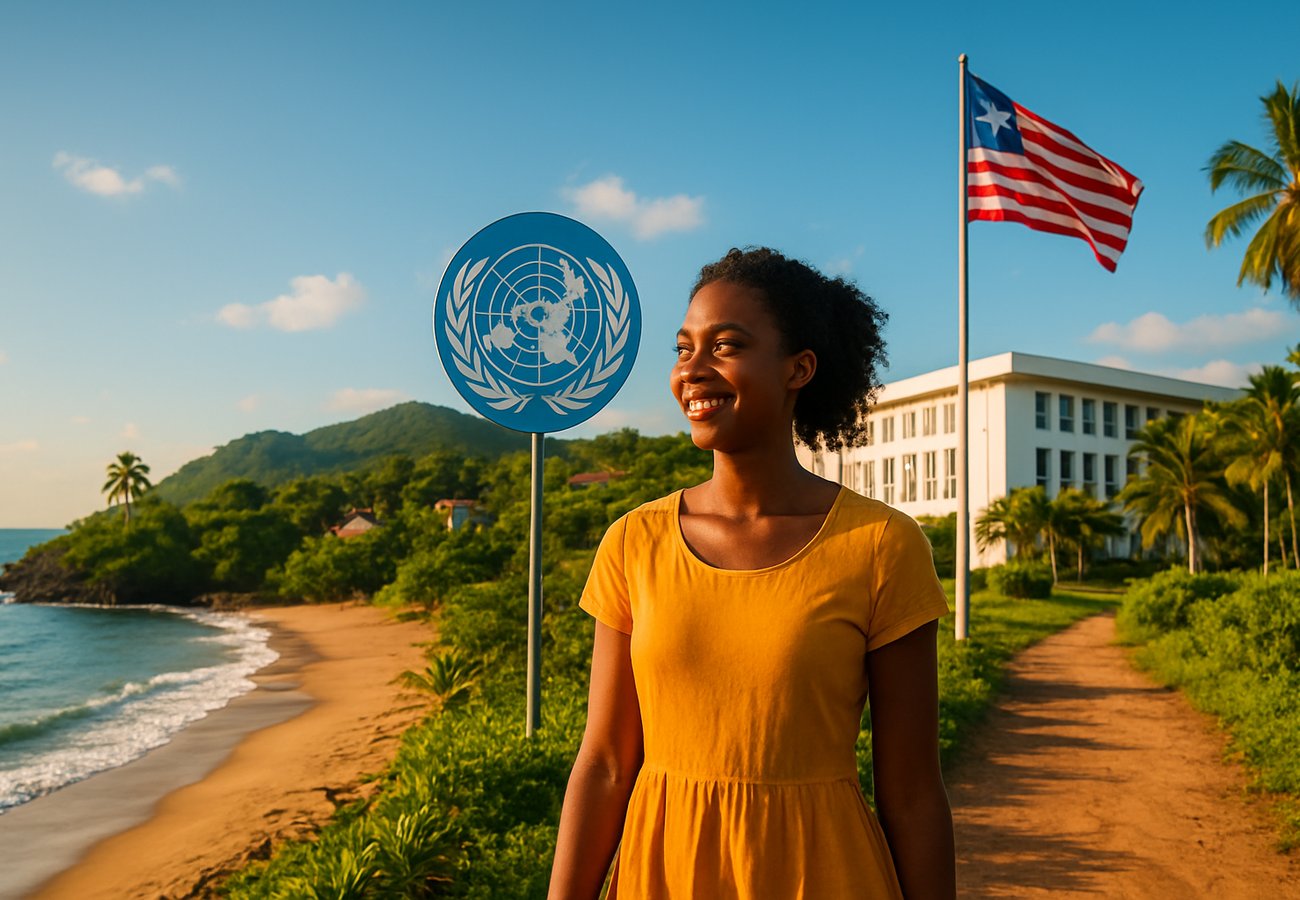
Image generated by AI
Quick Summary
- UN Endorsement: The Liberia National Tourism Authority (LNTA) has secured major institutional backing from UN Tourism, following a high-level meeting on April 30, 2026.
- Technical Working Group: A joint task force has been established to drive reforms in capacity-building, digital transformation, and infrastructure.
- Energy Defiance: Liberia is positioning itself as a "frontier resilience" destination, offering sustainable, low-carbon alternatives as the global energy crisis inflates traditional travel costs.
- Geopolitical Backdrop: The partnership occurs as the US-Iran conflict and Strait of Hormuz tensions disrupt global aviation fuel stability and shipping lanes.
- Strategic Assets: Investments will target Monrovia, Mount Nimba, and Sapo National Park, focusing on eco-tourism and surfing sites.
- Youth Focus: A primary pillar of the reform is youth development and hospitality management training to ensure inclusive economic empowerment.
- Source: Liberia National Tourism Authority (LNTA) Official Communiqué, May 7, 2026.
MONROVIA — In a historic move that could redefine the West African tourism landscape, Liberia has secured the full institutional weight of UN Tourism to modernize its hospitality sector. According to breaking reports released on May 7, 2026, the Liberia National Tourism Authority (LNTA) and UN Tourism have established a joint technical working group following a pivotal meeting between LNTA Director General Princess Eva Cooper and UN Tourism Secretary-General Shaikha Al Nuwais. This strategic alliance is being analyzed by senior global affairs journalists as a vital pivot toward "sustainable resilience," occurring precisely as Gulf tensions and the threat of a Strait of Hormuz closure send oil prices to record highs.
Expanded Overview: Building a Sustainable Frontier in a Volatile World
The partnership between UN Tourism and Liberia is a calculated response to the changing demands of the global traveler. While the US-Iran conflict has led to skyrocketing aviation fuel costs and inflated the overheads of traditional high-energy hubs, Liberia is doubling down on "low-carbon" eco-tourism. By updating its Tourism Development Strategy and enhancing digital transformation, Liberia aims to attract a new generation of eco-conscious travelers who are seeking authentic, off-the-beaten-path experiences that are relatively insulated from the fluctuations of the global energy crisis.
Geopolitical Context: Navigating the Strait of Hormuz and Global Risk
As a senior energy journalist would observe, Liberia’s emergence is inextricably linked to the standoff in the Strait of Hormuz. As Saudi Arabia, the UAE, and Qatar work to stabilize global energy flows, the resulting volatility has made long-haul travel through traditional corridors more unpredictable. Liberia, leveraging its Atlantic-facing geography and stable growth, offers a "neutral" sanctuary for those looking to bypass the logistical stress and environmental cost of fuel-dependent travel hubs.
Global Energy Impact: The Rise of the "Low-Fuel" Destination
Rising oil prices have fundamentally changed the economics of global tourism.
- Eco-Tourism Hedge: Liberia’s focus on eco-lodges, wildlife tourism in Sapo National Park, and surfing sites represents a strategic hedge against energy price volatility.
- Sustainable Logistics: By investing in localized tourism infrastructure and community-based models, Liberia reduces its dependence on the energy-intensive supply chains that are currently being hit by global shipping disruptions.
Shipping and Trade Impact: Infrastructure as an Engine of Resilience
The ongoing shipping disruption in global trade routes has made the import of standardized tourism materials more difficult. Liberia has countered this by:
- Capacity-Building: Training local youth in hospitality management and cultural tourism, ensuring that the human capital for the sector is sourced internally.
- Inclusive Growth: Princess Eva Cooper has emphasized that tourism will become a vehicle for job creation in areas like Mount Nimba, creating an economic buffer against global trade delays.
Regional Impact: The West African Tourism Pivot
The collaboration with UN Tourism marks a significant milestone for the entire West African region.
- UN Synergy: The involvement of Shaikha Al Nuwais underscores the growing importance of "South-South" collaboration and the role of UN Tourism in bridging the gap for frontier markets.
- Digital Visibility: By enhancing its global market presence through targeted digital campaigns, Liberia is preparing to compete with more established regional players who are currently struggling with higher energy-related overheads.
Industry / Expert Analysis: Why Liberia Matters Globally
Aviation and tourism analysts at Reuters and Bloomberg suggest that Liberia’s 2026 reforms are a signal of a "frontier market renaissance." In an era where the US-Iran conflict makes certain global hubs unpredictable, travelers are prioritizing destinations that offer authenticity and sustainability. Liberia’s partnership with UN Tourism is not just about reforms; it is a strategic insurance policy for a nation looking to build a resilient, multi-layered tourism economy in the face of global energy crisis headwinds.
What Happens Next: The Road to Implementation
As the joint technical working group begins its work, several key priorities emerge:
- Technical Reforms: Updating the National Tourism Development Strategy to reflect 2027-2030 sustainability goals.
- Infrastructure Launch: Breaking ground on new eco-lodges and improving road access to the Sapo National Park biodiversity hotspot.
- Global Marketing: Launching the "Liberia: The Green Frontier" digital campaign to capture the summer 2026 travel interest.
Conclusion: Reinforcing the Global Risk and Frontier Reward
Liberia’s partnership with UN Tourism is a testament to the power of foresight in a world of shipping disruptions and oil price volatility. By surmounting the challenges of the US-Iran conflict and the geopolitical shadow of the Strait of Hormuz, the nation has proven that sustainability is the ultimate travel currency. As the world watches the Middle East, Liberia stands as a beacon of what is possible when a frontier market prioritizes resilience, youth empowerment, and the protection of its natural heritage.
Key Takeaways: Liberia Tourism 2026 Reforms
- Partnership: LNTA secures institutional backing from UN Tourism.
- Governance: Establishment of a joint technical working group for sector reform.
- Resilience: Strategic pivot to eco-tourism amid the global energy crisis.
- Key Spots: Sapo National Park, Mount Nimba, and Monrovia.
- Economic Impact: Focus on youth development and hospitality job creation.
- Geopolitics: Navigating the headwinds of oil price volatility and Gulf tensions.
Related Tourism Reports
Disclaimer
This article is for informational and educational purposes only. It does not constitute legal, financial, or professional advice. While we strive to provide accurate and up-to-date information, travel policies, regulations, and conditions change rapidly. Always verify information with official sources before making travel decisions. Nomad Lawyer makes no representations about the accuracy, reliability, completeness, or suitability of the information provided. Readers should consult qualified professionals for advice specific to their circumstances. The views expressed in this article are those of the author and do not necessarily reflect the views of Nomad Lawyer.
Kunal K Choudhary
Co-Founder & Contributor
A passionate traveller and tech enthusiast. Kunal contributes to the vision and growth of Nomad Lawyer, bringing fresh perspectives and driving the community forward.
Learn more about our team →