
Washington D.C. International Tourism Declines by 4% Amid Global Energy Crisis and US-Iran Conflict: How Strait of Hormuz Tensions and Skyrocketing Fuel Prices Are Redrawing the Map for Global Travelers
Washington D.C. is facing a concerning 4% decline in international visitors in early 2026, as the global energy crisis, US-Iran conflict, and rising fuel costs deter long-haul travelers from Europe and Asia.

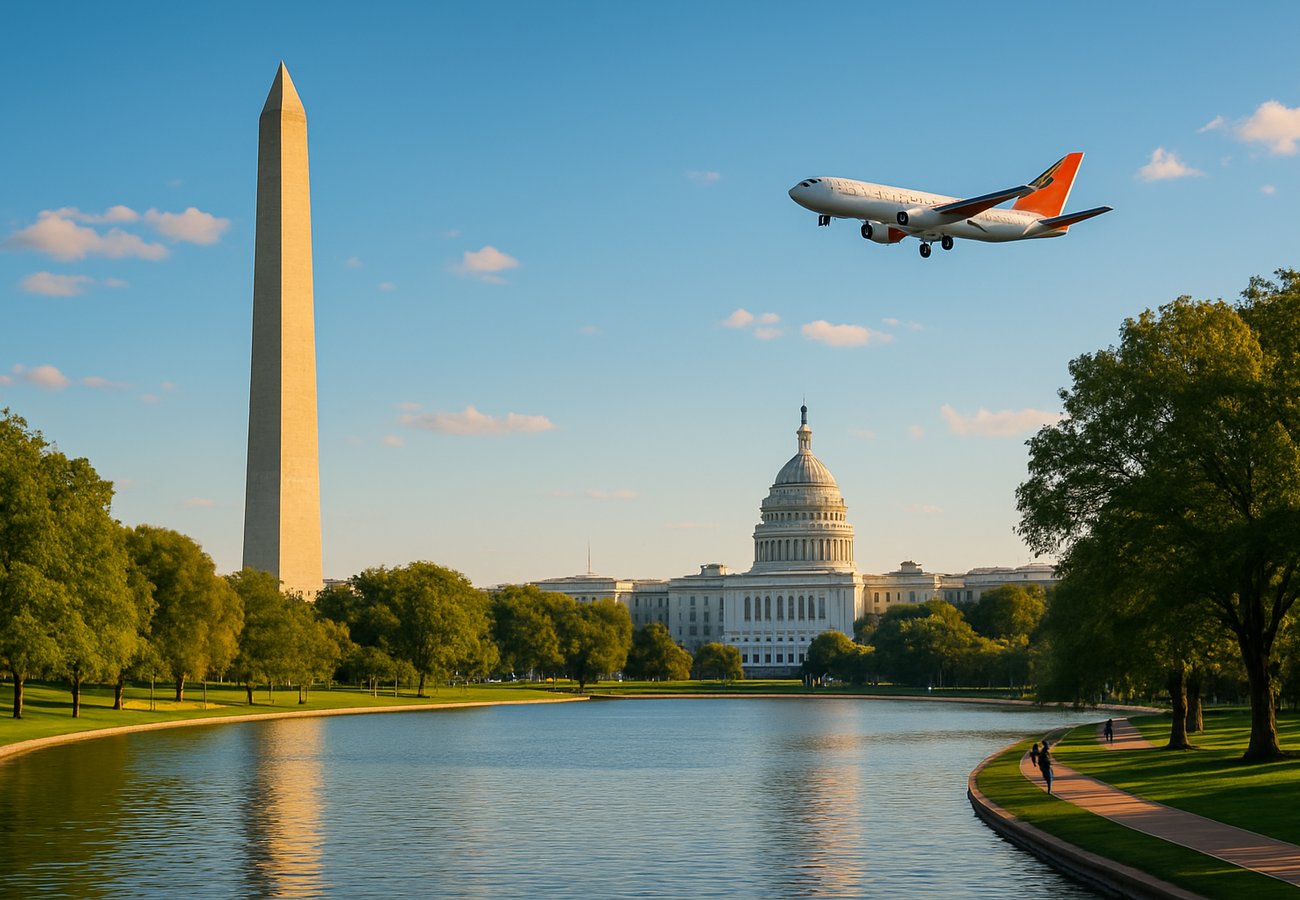
Image generated by AI
Quick Summary
- Sector Struggle: Washington D.C. has recorded a 4% decline in international tourist arrivals in early 2026, despite a modest rise in domestic travel.
- Energy Overhead: The global energy crisis and the US-Iran conflict have inflated long-haul aviation costs, making the U.S. capital a "luxury burden" for global visitors.
- Geopolitical Friction: Tensions in the Strait of Hormuz and the resulting oil price volatility have led to massive "conflict surcharges" on trans-Atlantic and trans-Pacific flights.
- Visa Barriers: Long wait times for U.S. visas in key European and Asian markets continue to deter spontaneous international travel.
- Safety Perceptions: Political unrest and perceptions of social instability in the federal city are driving travelers toward more "neutral" hubs like Tokyo or Rome.
- Marketing Deficit: A redirection of hotel tax revenues has gutted the city’s international marketing budget, reducing D.C.'s visibility on the global stage.
- Source: D.C. Tourism & Hospitality Sector Performance Report, May 7, 2026.
WASHINGTON D.C. — In a year where global connectivity is being tested by the most severe global energy crisis in a generation, the U.S. capital is finding itself on the wrong side of the travel map. According to breaking data released on May 7, 2026, Washington D.C. has witnessed a 4% decline in international arrivals. This downturn is being analyzed by senior global affairs and energy journalists as a significant strategic setback, occurring precisely as Gulf tensions and the persistent threat of a Strait of Hormuz closure inflate the cost of long-haul travel to prohibitive levels.
Expanded Overview: The Erosion of the "Global Capital" Appeal
The 4% drop in international visitors is a stark contrast to the city’s domestic tourism, which has seen a slight uptick. However, for a city that relies on the high spending power of global travelers, the decline is a major economic blow. While the US-Iran conflict has led to significant airspace closures and a massive spike in oil prices, the U.S. capital is struggling to justify its premium cost. Travelers from Europe and Asia are increasingly opting for destinations with lower fuel-related overheads and more predictable social environments.
Geopolitical Context: Navigating the Strait of Hormuz and US-Iran Conflict
The broader geopolitical landscape in 2026 has been dominated by the standoff in the Strait of Hormuz. As Saudi Arabia, the UAE, and Qatar work to maintain global supply chains, the threat of a full-scale blockade has forced airlines to apply "geopolitical premiums" to all flights entering U.S. airspace. Furthermore, the US-Iran conflict has created a perception of the U.S. as a high-stress destination, with international tourists often favoring destinations where they feel politically and socially secure.
Global Energy Impact: Why Fuel Costs are the Ultimate Entry Barrier
Rising oil prices have fundamentally redrawn the travel map for 2026.
- Trans-Atlantic Inflation: Flights from London, Paris, and Berlin to D.C. have seen a 25% increase in average ticket price due to jet fuel shortages.
- The Visa-Fuel Nexus: Travelers who already face notoriously long visa approval wait times are unwilling to commit to high-priced tickets when destinations in the European Union offer more straightforward and affordable entry.
Shipping and Trade Impact: The Marketing Budget "Blockade"
The ongoing shipping disruption in global trade has had an unexpected side effect on D.C.'s tourism. Local government decisions to redirect hotel tax revenues—traditionally used for international marketing—toward "other purposes" have effectively created a marketing blockade. While cities like Paris and Rome are investing heavily in overseas promotion, Washington D.C. has seen a sharp decrease in its global visibility.
Regional Impact: The Pivot to Neutral Hubs
Interestingly, travelers from the Gulf States—including Saudi Arabia, the UAE, and Qatar—are increasingly viewing the U.S. as a secondary choice for 2026.
- Asian Resilience: These high-spending travelers are pivoting toward Tokyo and Singapore, which are seen as safer, more efficient, and less impacted by the immediate political fallout of the US-Iran conflict.
- European Competition: Cities like Paris and Rome continue to attract millions by offering competitive travel deals and lower logistical complexity compared to the U.S. visa process.
Industry / Expert Analysis: Why the D.C. Decline Matters Globally
Tourism and aviation analysts at Reuters and Bloomberg suggest that Washington D.C.’s struggle is a "canary in the coal mine" for U.S. international tourism. In an era where the global energy crisis makes every mile expensive, cities must offer more than just iconic landmarks. They must provide a sense of stability, accessibility, and value. The 4% decline suggests that D.C. has been slow to adjust its infrastructure and marketing to the changing needs of the post-pandemic, post-energy-shock traveler.
What Happens Next: Scenarios for a Marketing Reset
As the city looks toward the 2027 season, several scenarios emerge:
- Visa Reform: If the U.S. can successfully streamline its visa application process, a rebound in European arrivals could be seen by Q2 2027.
- Energy Stabilization: Should Strait of Hormuz tensions ease and oil prices stabilize, the U.S. capital may regain its trans-Atlantic competitiveness.
- The "Safety" Strategy: D.C. must address perceptions of social and political instability to win back the "security-first" traveler from the Gulf and Asia.
Conclusion: Reinforcing the Global Risk and Capital Uncertainty
The decline in international tourism to Washington D.C. in 2026 is a testament to the power of global risk. By failing to address the headwinds of the global energy crisis and the geopolitical fallout of the US-Iran conflict, the U.S. capital risks falling behind in the race for global tourism dollars. As the world watches the Middle East, Washington D.C. stands at a crossroads, proving that even the most iconic cities are not immune to the reality of shipping disruptions and the high cost of energy.
Key Takeaways: Washington D.C. Tourism 2026
- Decline: 4% drop in international visitors in early 2026.
- Driver: High fuel costs linked to the global energy crisis.
- Barriers: Long U.S. visa wait times and perceptions of safety.
- Marketing: Gutted international promotion budget due to tax redirection.
- Competition: Losing ground to Paris, Tokyo, and Rome.
- Geopolitics: Impacted by Strait of Hormuz tensions and the US-Iran conflict.
Related Tourism Reports
Disclaimer
This article is for informational and educational purposes only. It does not constitute legal, financial, or professional advice. While we strive to provide accurate and up-to-date information, travel policies, regulations, and conditions change rapidly. Always verify information with official sources before making travel decisions. Nomad Lawyer makes no representations about the accuracy, reliability, completeness, or suitability of the information provided. Readers should consult qualified professionals for advice specific to their circumstances. The views expressed in this article are those of the author and do not necessarily reflect the views of Nomad Lawyer.
Kunal K Choudhary
Co-Founder & Contributor
A passionate traveller and tech enthusiast. Kunal contributes to the vision and growth of Nomad Lawyer, bringing fresh perspectives and driving the community forward.
Learn more about our team →