
Nepal's Simara Airport Faces Crisis as Aging Infrastructure and Reduced Flights Impact South Asian Connectivity in 2026
Simara Airport in Nepal is struggling with aging runways and reduced flight services, threatening regional tourism and connectivity with India, China, and Bangladesh.

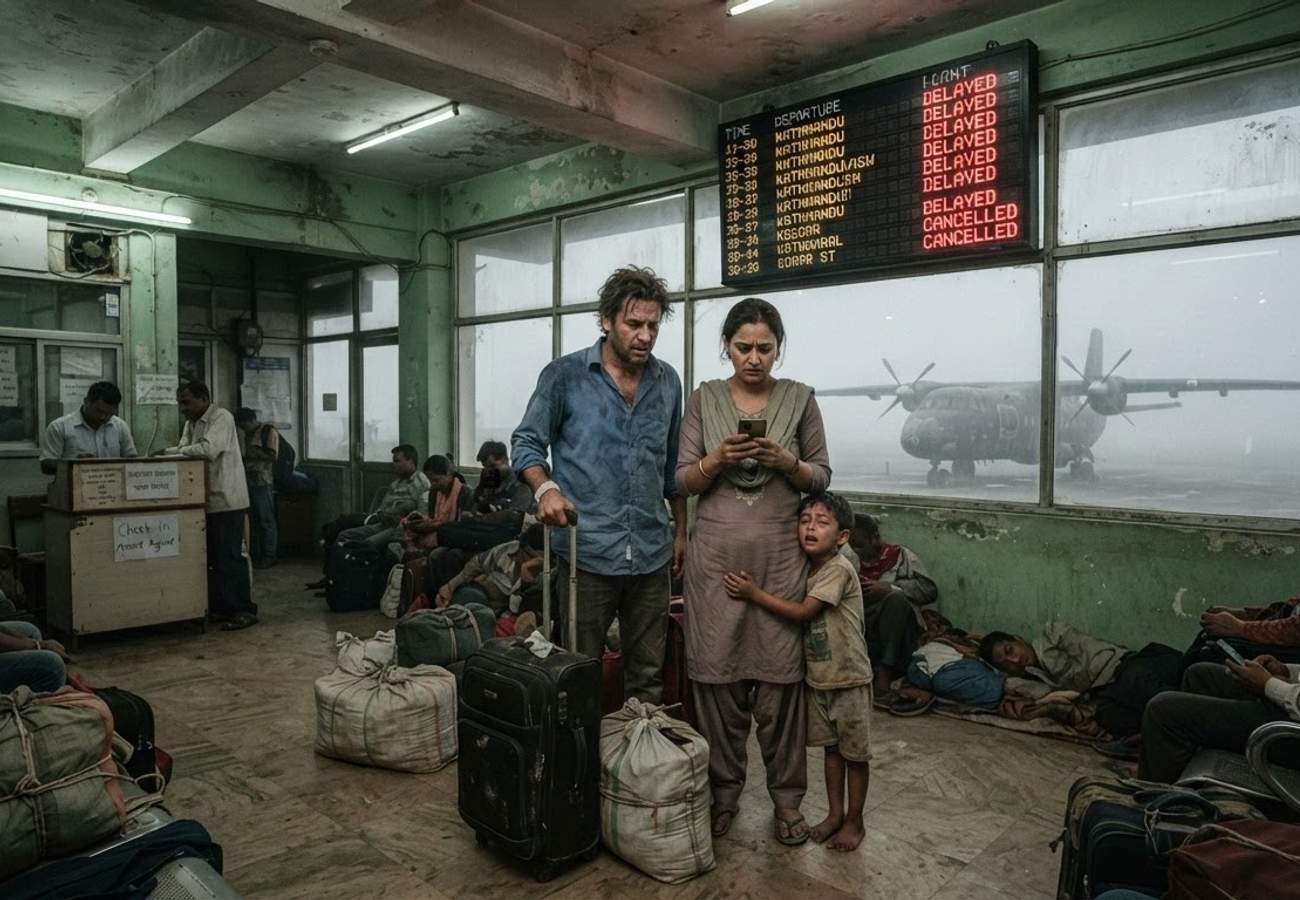
Image generated by AI
[Bara District, Nepal] — Simara Airport is currently grappling with a severe operational crisis characterized by deteriorating infrastructure and a sharp decline in flight frequency, threatening Nepal's strategic connectivity with India, China, and Bangladesh. Located in the Bara District of Madhesh Province, the facility serves as a primary domestic artery linking the capital, Kathmandu, with the southern plains, but it is now struggling to maintain basic reliability.
The facility has become a bottleneck for regional mobility, where limited terminal space and an outdated runway are hindering the movement of business travelers and tourists. As Nepal seeks to deepen its aviation ties within South Asia, the degradation of this key gateway is creating a ripple effect, limiting the efficiency of travel networks for international visitors entering the country.
Operational Constraints at Simara Airport
The infrastructure at Simara Airport was designed for a bygone era of aviation, with capacities that no longer align with modern passenger volumes or aircraft specifications. Industry observers note that the facility is currently unable to meet the demands of contemporary domestic aviation, leading to a steady decline in operational efficiency.
Several critical failures have been identified within the airport's current setup:
- Terminal Limitations: The passenger terminal is narrow and lacks the handling capacity to manage peak travel periods.
- Ground Logistics: Aircraft parking areas are severely restricted, which complicates ground operations and turnaround times.
- Runway Deficiencies: The existing runway restricts the types of aircraft movements possible and limits overall operational flexibility.
- Technological Gaps: A lack of advanced navigation equipment makes the airport highly susceptible to weather disruptions.
- Visibility Issues: Operations are frequently suspended or delayed during foggy conditions and periods of poor visibility, particularly during the winter season.
These systemic failures have made it nearly impossible for airlines to maintain consistent flight schedules, leading to a loss of confidence among both carriers and passengers.
Strategic Importance for India, China, and Bangladesh
While Simara Airport operates exclusively as a domestic hub, its health is intrinsically linked to Nepal's international tourism strategy. The airport serves as a vital link for travelers arriving from neighboring South Asian powerhouses.
India Due to shared borders and deep cultural ties, India remains Nepal's most significant travel partner. The Madhesh Province, where Simara is located, maintains intense economic and social bonds with Indian border regions. Upgrading the airport would facilitate a more seamless transition for Indian nationals moving between border entry points and the capital.
China Chinese tourists are a primary driver of Nepal's mountain and cultural tourism sectors. Although they do not fly directly into Simara, the efficiency of the domestic network determines how easily these visitors can move from Kathmandu to regional destinations. A modernized Simara Airport would allow Nepal to better absorb the growth of the Chinese tourism market.
Bangladesh Travelers from Bangladesh frequently visit Nepal for religious pilgrimages and leisure. The current instability of domestic routes, such as the one serving Simara, detracts from the overall travel experience for these visitors, making the domestic leg of their journey unpredictable.
Drastic Decline in Passenger Volume and Flight Services
The intersection of aging hardware and operational restrictions has led to a measurable collapse in service levels. Many airlines have opted to withdraw from the Simara–Kathmandu route entirely, citing the inability to maintain profitable and reliable schedules.
Currently, Buddha Air remains one of the few carriers providing scheduled services on this route. However, the impact on passenger traffic has been stark.
| Metric | Previous High Levels | Current Status (2026) |
|---|---|---|
| Daily Passenger Count | 1,500+ Passengers | ~400 Passengers |
| Service Availability | Multiple Carriers | Limited (Primarily Buddha Air) |
| Operational Reliability | Stable | High Weather Sensitivity |
This decline has created significant hardships for the local community in Madhesh Province and business professionals who rely on rapid transit to Kathmandu. The reduction in capacity effectively isolates the region, slowing down trade and reducing the flow of tourists to southern Nepal.
Runway Limitations and Technical Hurdles
The runway is the most critical point of failure at Simara Airport. Current specifications prevent the airport from maximizing the use of larger aircraft. Specifically, ATR-72 aircraft cannot be operated at full capacity, and the lack of lighting and navigation upgrades prevents the expansion of night-time services.
Without the installation of modern Instrument Landing Systems (ILS) and runway extensions, the airport remains a "fair-weather" facility. The inability to operate during low visibility not only disrupts schedules but also discourages airlines from allocating their newest or largest aircraft to the route.
Proposed Modernization and Expansion Plans
To combat this decline, a comprehensive expansion plan has been drafted. These proposals are currently awaiting final approval from government bodies and aviation authorities. The planned upgrades include:
- Runway Extension: Increasing the length and quality of the runway to accommodate larger aircraft and improve safety margins.
- Terminal Expansion: Building a larger passenger terminal to reduce congestion and improve the traveler experience.
- Parking Infrastructure: Developing additional aprons to allow more aircraft to park and load simultaneously.
- Avionic Upgrades: Installing modern navigation and communication equipment to mitigate weather-related cancellations.
The future of southern Nepal's connectivity depends entirely on the swift transition of these plans from paper to pavement.
Why This Matters: The Broader Aviation Impact
The crisis at Simara Airport is more than a local infrastructure failure; it is a symptom of the "connectivity gap" facing developing aviation markets in South Asia. When a primary domestic gateway fails, it creates a bottleneck that affects the entire national tourism ecosystem.
For Nepal, the reliance on a few key hubs means that any failure in a regional airport like Simara directly impacts the "last-mile" connectivity for international tourists from India, China, and Bangladesh. If visitors cannot reliably reach the southern provinces, the economic benefits of tourism remain concentrated only in Kathmandu. Furthermore, the shift from 1,500 to 400 daily passengers demonstrates how quickly a route can collapse when infrastructure fails to keep pace with aircraft technology. The situation serves as a warning that without continuous investment in runway and navigation tech, regional airports risk becoming obsolete, regardless of the demand for the destination.
Related Travel Guides
Disclaimer
This article is for informational and educational purposes only. It does not constitute legal, financial, or professional advice. While we strive to provide accurate and up-to-date information, travel policies, regulations, and conditions change rapidly. Always verify information with official sources before making travel decisions. Nomad Lawyer makes no representations about the accuracy, reliability, completeness, or suitability of the information provided. Readers should consult qualified professionals for advice specific to their circumstances. The views expressed in this article are those of the author and do not necessarily reflect the views of Nomad Lawyer.
Kunal K Choudhary
Co-Founder & Contributor
A passionate traveller and tech enthusiast. Kunal contributes to the vision and growth of Nomad Lawyer, bringing fresh perspectives and driving the community forward.
Learn more about our team →