
Stansted Delays Leave Passenger £357 Out of Pocket in 2026
A Stansted Airport passenger lost £357 after early 2026 flight delays exposed gaps in UK and EU passenger compensation rules. Record airport congestion highlights limitations of air traveler protections.

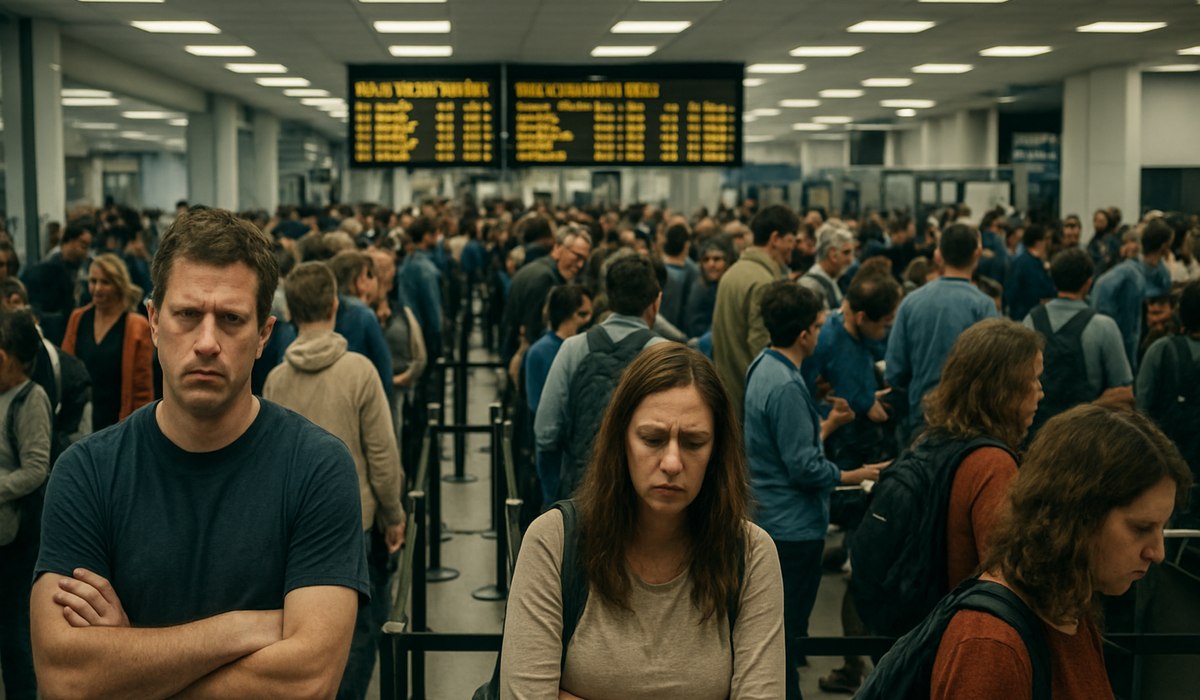
Image generated by AI
Stansted Passenger Left £357 Out of Pocket After Early 2026 Disruption
A London Stansted Airport traveler has reported losing £357 after severe flight delays in early 2026, exposing critical gaps between airport congestion and passenger compensation available under current UK and European air rights regulations. The incident reveals how record passenger volumes and infrastructure pressures at one of Britain's busiest hubs can create cascading financial losses that existing compensation frameworks fail to address.
The affected passenger's losses included rebooked flights, missed accommodation reservations, and additional ground transportation costs stemming from a significantly delayed departure. This case demonstrates how a single disruption event can trigger a domino effect of prepaid service losses that passengers cannot recover through standard compensation channels—a growing concern as Stansted and other regional airports strain under unprecedented demand.
Record Congestion at Stansted Undermines Passenger Experience
Stansted Airport processed more than 30 million passengers during 2025 and has sustained aggressive growth throughout early 2026, driven largely by low-cost carriers expanding their route networks from the London hub. However, this expansion has created severe operational strain that directly impacts traveler experience and financial security.
Recent reports document extended queues at security checkpoints and check-in counters, with security wait times reaching approximately two hours during peak periods—far exceeding the airport's established service targets. These delays extend beyond inconvenience; extended waiting periods put onward travel plans at genuine risk, particularly for passengers connecting to subsequent flights or transfers.
The airport operator's ongoing construction projects, intended to modernize terminal facilities and increase capacity, have paradoxically contributed to current congestion challenges. Combined with documented staffing pressures and occasional operational pinch points, the terminal now struggles to process peak-hour passenger volumes efficiently. For budget-conscious travelers relying on point-to-point connections rather than protected through-tickets, this vulnerability can prove financially catastrophic.
How a Single Delay Created a £357 Financial Domino Effect
The Stansted passenger's £357 loss illustrates the real-world consequences when departure disruptions cascade through an entire itinerary. Unlike passengers on major carriers with comprehensive through-bookings, travelers using low-cost airlines at regional hubs face minimal airline protection when initial delays trigger missed connections.
Initial disruption costs included rebooked flight segments at premium fares once the original flight finally departed. Missed hotel accommodations that couldn't be recovered without expensive cancellation policies added significant expense. Ground transportation to alternative departure points or missed connection hubs further compounded the financial impact.
When multiple prepaid services become forfeit due to a single delay event, the total passenger loss quickly exceeds the original ticket price—a reality that standard passenger rights compensation simply doesn't address. The airline's obligation to provide meals and refreshments during the delay proved insufficient to offset the downstream financial damage to the traveler's broader trip arrangements.
What UK and EU Passenger Rights Actually Cover—and Don't
Under the retained version of EU Regulation 261/2004, UK and European passengers may claim fixed compensation for severe delays, cancellations, or overbooking—but only when specific conditions are met. The compensation framework depends on three critical factors: delay length on arrival, route distance, and the identified cause of disruption.
Compensation eligibility requires that the disruption fall within the airline's control. Technical equipment failures, crew misallocation, and certain operational decisions typically qualify for compensation. However, "extraordinary circumstances" including adverse weather, air traffic control restrictions, airport infrastructure failures, and authorized worker strikes explicitly exclude passengers from cash payouts.
Stansted's recent disruptions frequently involved terminal infrastructure issues, staffing shortages, or third-party labor actions—situations that airlines successfully classify as extraordinary circumstances beyond their control. In these cases, passengers receive only care and assistance: meals, refreshments, hotel accommodation where necessary, alternative transportation, or refunds for cancelled flights.
This creates the compensation gap that trapped the affected passenger. Despite suffering £357 in documented losses, the traveler likely remained ineligible for statutory compensation if the root cause traced to airport operations or external factors rather than airline failure. Specialist claims services have noted this pattern repeatedly: severe disruption doesn't automatically trigger financial recovery when causes fall outside airline responsibility.
Protecting Yourself Against Hidden Travel Costs During Disruption
Travelers passing through Stansted or similar congested regional hubs can implement concrete protections against cascading financial losses when disruption occurs. The key lies in understanding gaps in standard passenger rights and compensating with insurance, booking strategies, and documentation practices.
Purchase comprehensive travel insurance covering missed connections, rebooking expenses, and accommodation losses—benefits that statutory passenger rights don't provide. When booking through low-cost carriers, separate ticket purchases increase financial risk; where possible, use through-ticketing or protected booking arrangements that make airlines responsible for connections.
Document every expense during disruption: receipts for meals, transportation, accommodation, and rebooking fees. Maintain written communication with the airline regarding the cause of delay and any assistance offered. Request written confirmation of the disruption cause immediately, as this determines whether compensation claims have merit under EU 261/2004.
Monitor FlightAware in real-time to anticipate delays before they impact onward travel. If disruption appears likely, contact your airline proactively regarding rebooking options before the delay officially occurs. For substantial journeys with connections, build minimum connection time exceeding regulatory minimums, particularly at congested airports where operational delays frequently extend.
Verify your airline's specific passenger rights obligations before travel. The UK Civil Aviation Authority provides detailed guidance on care and assistance requirements, while the US Department of Transportation offers comparative international standards that context your protections.
Traveler Action Checklist
-
Purchase comprehensive travel insurance covering missed connections, rebooking expenses, and prepaid accommodation losses before booking.
-
Check real-time flight status on FlightAware 24 hours before departure, particularly for Stansted connections.
-
Contact your airline immediately if disruption appears likely, requesting rebooking to alternative flights before official cancellation or delay announcement.
-
Preserve all receipts and documentation for meals, transportation, accommodation, and any services purchased during disruption.
-
Request written confirmation from the airline specifying the disruption cause within 48 hours of the incident.
-
Review your airline's passenger rights obligations using CAA guidance and submit compensation claims within the statutory timeframe.
-
If initial compensation claims fail, escalate through alternative dispute resolution schemes or small claims court for documented expenses.
-
For future travel, book through-tickets rather than separate segments when possible to ensure airline responsibility for connections.
Key Data: Stansted Disruption Impact Summary
| Metric | Details |
|---|---|
| Passenger Volume (2025) | 30+ million |
| Affected Passenger Loss | £357 |
| Peak-Hour Security Wait Time | ~2 hours |
| Typical Service Target | <30 minutes |
| Compensation Available | Only if airline-caused delay |
| Care Assistance Required | Meals, refreshments, hotel, rerouting |
| Route Model Risk | Point-to-point connections carry highest exposure |
| Primary Disruption Causes | Terminal infrastructure, staffing, strikes |
What This Means for Travelers
The Stansted case reveals that statutory passenger compensation frameworks protect travelers far less comprehensively than commonly assumed. When disruptions involve airport infrastructure, external worker actions, or extraordinary circumstances, passengers bear financial responsibility for cascading losses despite suffering through severe delays.
Budget-conscious travelers using regional hubs and low-cost carriers face particular exposure. Comprehensive travel insurance becomes essential rather than optional, as it covers gaps that passenger rights legislation explicitly excludes. Building buffer time between connections,
Disclaimer
This article is for informational and educational purposes only. It does not constitute legal, financial, or professional advice. While we strive to provide accurate and up-to-date information, travel policies, regulations, and conditions change rapidly. Always verify information with official sources before making travel decisions. Nomad Lawyer makes no representations about the accuracy, reliability, completeness, or suitability of the information provided. Readers should consult qualified professionals for advice specific to their circumstances. The views expressed in this article are those of the author and do not necessarily reflect the views of Nomad Lawyer.
Raushan Kumar
Founder & Lead Developer
Full-stack developer with 11+ years of experience and a passionate traveller. Raushan built Nomad Lawyer from the ground up with a vision to create the best travel and law experience on the web.
Learn more about our team →