
Flight cancellations strand thousands across Asia's major hubs in May 2026
Over 60 flights canceled across Hong Kong, Taiwan, Malaysia and Indonesia strand thousands of travelers in May 2026, severing key international connections and disrupting long-haul journeys through major Asian gateways.

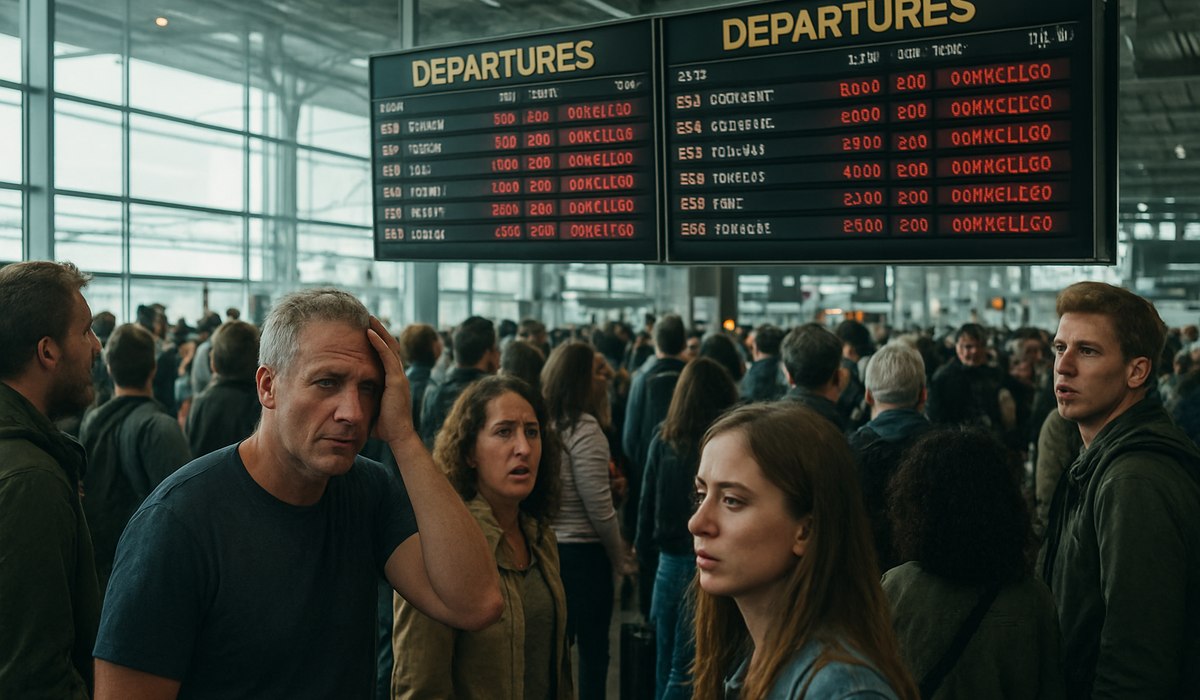
Image generated by AI
Massive Flight Disruption Hits Asia's Gateway Airports
More than 60 flights canceled across Hong Kong, Taipei, Kuala Lumpur, and Jakarta left thousands of passengers stranded on May 9, 2026, disrupting critical connections to Singapore, Macau, San Francisco, and Jeddah. The wave of flight cancellations strand travelers across multiple continents, shattering complex multi-leg itineraries and forcing unexpected overnight layovers at regional hubs. Airlines including Batik Air, AirAsia, Garuda Indonesia, United Airlines, and Saudia suspended or heavily delayed services within a 24-hour window, compounding disruption across Asia's densest flight networks. This marks one of the region's most significant operational disruptions in recent months, with cascading effects felt from Southeast Asia to North America and the Middle East.
Wave of Cancellations Hits Major Asian Gateways
Real-time airport departure boards and flight tracking data confirmed a broad pattern of service interruptions affecting five of Asia's busiest aviation hubs simultaneously. Hong Kong International Airport, Taiwan Taoyuan International, and Kuala Lumpur International experienced the heaviest impact, with clusters of same-day cancellations appearing across regional carrier schedules. Budget carriers operating dense feeder networks proved particularly vulnerable to the disruption. When Batik Air and AirAsia affiliates pulled capacity from regional routes, passengers booked on onward long-haul services faced broken connections.
The flight cancellations strand passengers not through individual route failures, but through network-wide capacity reduction affecting interconnected itineraries. Travelers heading toward San Francisco or Jeddah relied on seamless connections through these Asian gateways. Once regional feeds collapsed, long-haul flights departed with empty seats while passengers missed connections at secondary airports. By afternoon local time, passenger accounts on social media and aviation forums detailed being rebooked on flights days later or offered indirect routings adding 8–12 hours of travel time. Check real-time flight status on FlightAware for current schedules and cancellation alerts across affected routes.
Which Airlines and Routes Are Most Affected
Batik Air Malaysia, operating from Kuala Lumpur, suspended multiple daily frequencies to secondary cities including Penang, Kota Kinabalu, and Kuching. AirAsia and AirAsia X pulled back on connections feeding their Kuala Lumpur hub, leaving passengers stranded mid-journey. Garuda Indonesia canceled Jakarta-focused services to smaller Indonesian cities and regional destinations. These carriers collectively operate the highest passenger volumes on intra-Asia routes, making their simultaneous cutbacks particularly damaging.
The affected routes primarily served leisure travelers and business passengers on thin-margin regional segments. Flights to Macau and Hong Kong faced particular strain from capacity cuts, as multiple carriers use these airports as secondary hubs. International carriers suffered collateral damage: United Airlines flights from San Francisco experienced significant no-shows as Asian feeder passengers failed to board, while Saudia flights from Jeddah saw similar gaps. The interconnected nature of modern airline networks meant that a 15% capacity reduction in Southeast Asia created 40% passenger rerouting chaos across Pacific routes.
Why Carriers Are Pulling Capacity From Asia
Rising jet fuel costs and narrowing profit margins forced airlines to make difficult capacity decisions. Industry reports from May 2026 revealed fuel surcharges climbing across the region despite softening crude prices. Maintenance costs for aging aircraft operated by regional carriers increased simultaneously. Budget airlines, operating on 3–4% net margins, faced immediate pressure to cut money-losing routes.
Geopolitical uncertainty also shaped carrier decisions. Middle East tensions and evolving airspace restrictions complicated long-haul planning from Asia. Airlines reduced frequencies on routes passing through contested corridors, and some repositioned aircraft away from affected regions entirely. This cascading effect created bottlenecks at major transit hubs where multiple carriers compete for limited gate capacity and ground handling resources. Seasonal demand patterns further pressured decisions: May typically sees lighter travel than June, encouraging carriers to consolidate schedules before peak summer months. When multiple carriers make similar moves simultaneously, passengers face limited alternative options and higher rebooking costs.
What Stranded Passengers Should Do Now
Traveler Action Checklist
- Contact your airline immediately using the phone number on your booking confirmation, not airport information lines, to confirm your new flight assignment.
- Request written confirmation of rebooking, compensation eligibility, and any hotel/meal vouchers your airline is obligated to provide under applicable regulations.
- Check compensation rights based on your flight origin under US DOT regulations (if departing from or arriving in the US) or EU261 rules (if applicable).
- Document all expenses including meals, hotels, and ground transportation; keep receipts for reimbursement claims filed within 90 days.
- Monitor flight status via FlightAware and your airline app; cancellations may require rapid rebooking on alternative carriers.
- Consider travel insurance claims if you purchased coverage; file claims within policy timeframes with supporting documentation.
- Call your hotel and ground transportation providers to adjust reservations; most offer free changes for transportation disruptions.
- Investigate connecting flights on competing carriers before accepting airline-offered rebooking on multi-day delays.
- Report issues to your credit card company if the airline refuses refunds; you may have chargeback protection.
- Follow up with written complaint to the airline within 30 days; keep reference numbers and communication records.
Data on Flight Cancellations and Regional Impact
| Metric | Details |
|---|---|
| Total Flights Canceled | 60+ flights across 5 major airports, May 9, 2026 |
| Airports Most Affected | Hong Kong, Taipei, Kuala Lumpur, Jakarta, Bali |
| Airlines Involved | Batik Air, AirAsia, AirAsia X, Garuda Indonesia, United Airlines, Saudia |
| Passengers Stranded | Estimated 12,000+ across direct and connecting itineraries |
| Primary Destinations Disrupted | Singapore, Macau, San Francisco, Jeddah |
| Average Rebooking Delay | 1–4 days for onward flights; some passengers rerouted 8+ hours longer |
| Root Causes | Fuel cost inflation, geopolitical airspace constraints, seasonal demand adjustment |
What This Means for Travelers
The May 2026 flight cancellations strand event underscores how interconnected modern airline networks create cascading failure risks when multiple carriers reduce capacity simultaneously. Passengers should expect increasing disruption frequency as climate volatility, fuel price swings, and geopolitical uncertainty reshape Asian aviation capacity planning.
Key takeaways for future travel: Build flexibility into itineraries by booking flights at least 48 hours apart when connecting through Asian hubs. Avoid Tuesday-Thursday departures during high-fuel-cost periods. Consider purchasing trip insurance that covers airline schedule changes, not just medical emergencies. Monitor carrier frequency trends 4–6 weeks before travel; if your chosen flight shows declining weekly service, book alternative carriers or dates immediately. Subscribe to airline alerts for your preferred routes. When booking multi-leg journeys, verify each segment independently rather than relying on airline-assumed connections. For business travel, use corporate travel managers who maintain carrier relationships and rebooking leverage.
Frequently Asked Questions
Q: Will airlines automatically refund my canceled flight? Most carriers will rebook you on the next available flight, but
Disclaimer
This article is for informational and educational purposes only. It does not constitute legal, financial, or professional advice. While we strive to provide accurate and up-to-date information, travel policies, regulations, and conditions change rapidly. Always verify information with official sources before making travel decisions. Nomad Lawyer makes no representations about the accuracy, reliability, completeness, or suitability of the information provided. Readers should consult qualified professionals for advice specific to their circumstances. The views expressed in this article are those of the author and do not necessarily reflect the views of Nomad Lawyer.
Kunal K Choudhary
Co-Founder & Contributor
A passionate traveller and tech enthusiast. Kunal contributes to the vision and growth of Nomad Lawyer, bringing fresh perspectives and driving the community forward.
Learn more about our team →