
NASA's Modified Boeing 777-200ER Takes Flight: Space Agency Readies Experimental Research Aircraft
Breaking airline news and aviation industry updates for 2026.

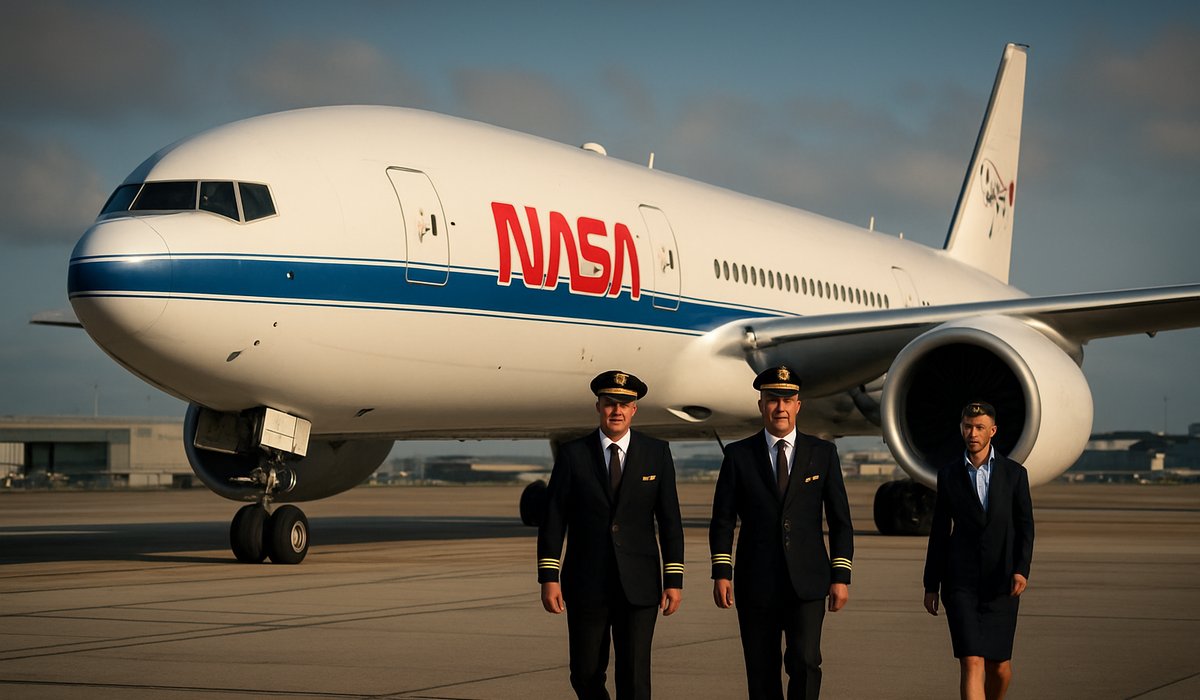
Image generated by AI
NASA's Modified Boeing 777-200ER Takes Flight: Space Agency Readies Experimental Research Aircraft
After years in storage, the retrofitted widebody jet emerges as a critical platform for atmospheric and aeronautical studies
Historic Aircraft Enters New Mission Phase
The National Aeronautics and Space Administration has completed extensive structural and technical overhauls on a Boeing 777-200ER that will now serve as a dedicated research and experimental testbed. The widebody jet, officially registered under NASA's inventory since 2023, has undergone comprehensive modifications that position it as a vital asset for the agency's upcoming scientific missions and aeronautical advancement programs.
Years of Preparation Bear Fruit
The aircraft remained largely inactive during its initial years with NASA before engineers commenced the extensive retrofit work aimed at transforming it into a specialized research platform. The modifications represent a significant capital investment in the space agency's capability to conduct in-flight experiments, atmospheric measurements, and advanced aeronautical testing—work that typically requires purpose-built or heavily modified aircraft outside the scope of commercial operations.
Strategic Importance for Research Aviation
NASA's acquisition and modification of this Boeing 777-200ER reflects the agency's ongoing commitment to maintaining independent research capabilities in an era of rising operational costs and budget constraints. The widebody configuration of the 777-200ER provides substantial payload capacity and extended flight endurance, making it ideal for carrying sophisticated instrumentation packages, sensor arrays, and specialized research equipment across extended mission profiles.
The modifications completed on the aircraft likely include avionics upgrades, data acquisition system installations, structural reinforcements for experimental equipment mounting, and certification updates to meet NASA's unique operational requirements. Such comprehensive retrofitting ensures the jet meets contemporary regulatory standards while supporting the agency's demanding research protocols.
Launching Into Scientific Operations
With the completion of preparatory work, the aircraft is now positioned to support multiple research initiatives spanning atmospheric science, propulsion studies, and aerodynamic investigations. The timing aligns with increased global focus on sustainable aviation technologies, fuel efficiency improvements, and climate monitoring—areas where NASA's research capabilities provide critical data for the broader aviation industry.
The availability of this platform expands NASA's operational flexibility and reduces dependence on partnerships with commercial carriers for conducting sensitive atmospheric and environmental research missions. The aircraft's entry into active service marks a notable development in the agency's technical infrastructure and underscores the strategic value of maintaining specialized research assets.
Frequently Asked Questions
What is NASA using the Boeing 777-200ER for? The aircraft serves as a dedicated platform for atmospheric research, aeronautical testing, and environmental monitoring missions, carrying sophisticated scientific instrumentation for in-flight experiments.
Why does NASA need a modified commercial aircraft? Modified commercial jets provide cost-effective platforms for conducting extended-range research missions while maintaining the payload capacity and altitude performance necessary for atmospheric and aeronautical studies.
How long was the Boeing 777-200ER in storage before modifications? The aircraft remained largely inactive from its 2023 registration with NASA until recently, when comprehensive retrofit work commenced to prepare it for research operations.
What types of modifications did the aircraft undergo? The overhaul included avionics upgrades, installation of specialized data acquisition systems, structural modifications for equipment mounting, and regulatory certification updates specific to NASA's research requirements.
How does this investment support the aviation industry? NASA's research findings on fuel efficiency, emissions reduction, and aerodynamic performance provide critical data that commercial airlines and manufacturers use to advance sustainable aviation technologies.
Related Travel Guides
Flight Delay Compensation Guide 2026
Understanding Airline Route Changes
Airport Security Process Updated (2026)
External Resources
Disclaimer
This article is for informational and educational purposes only. It does not constitute legal, financial, or professional advice. While we strive to provide accurate and up-to-date information, travel policies, regulations, and conditions change rapidly. Always verify information with official sources before making travel decisions. Nomad Lawyer makes no representations about the accuracy, reliability, completeness, or suitability of the information provided. Readers should consult qualified professionals for advice specific to their circumstances. The views expressed in this article are those of the author and do not necessarily reflect the views of Nomad Lawyer.
Kunal K Choudhary
Co-Founder & Contributor
A passionate traveller and tech enthusiast. Kunal contributes to the vision and growth of Nomad Lawyer, bringing fresh perspectives and driving the community forward.
Learn more about our team →