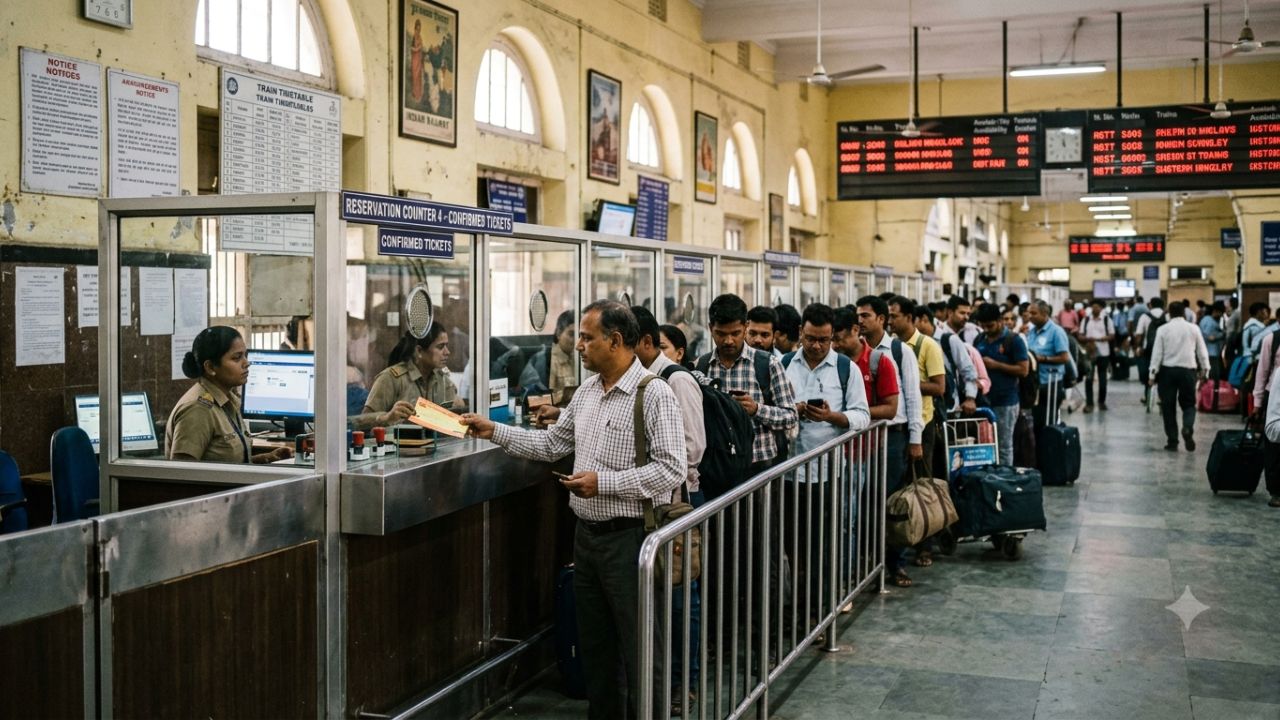
Mumbai Local Trains Face Delays Due to Central Railway Diva Level Crossing Disruption

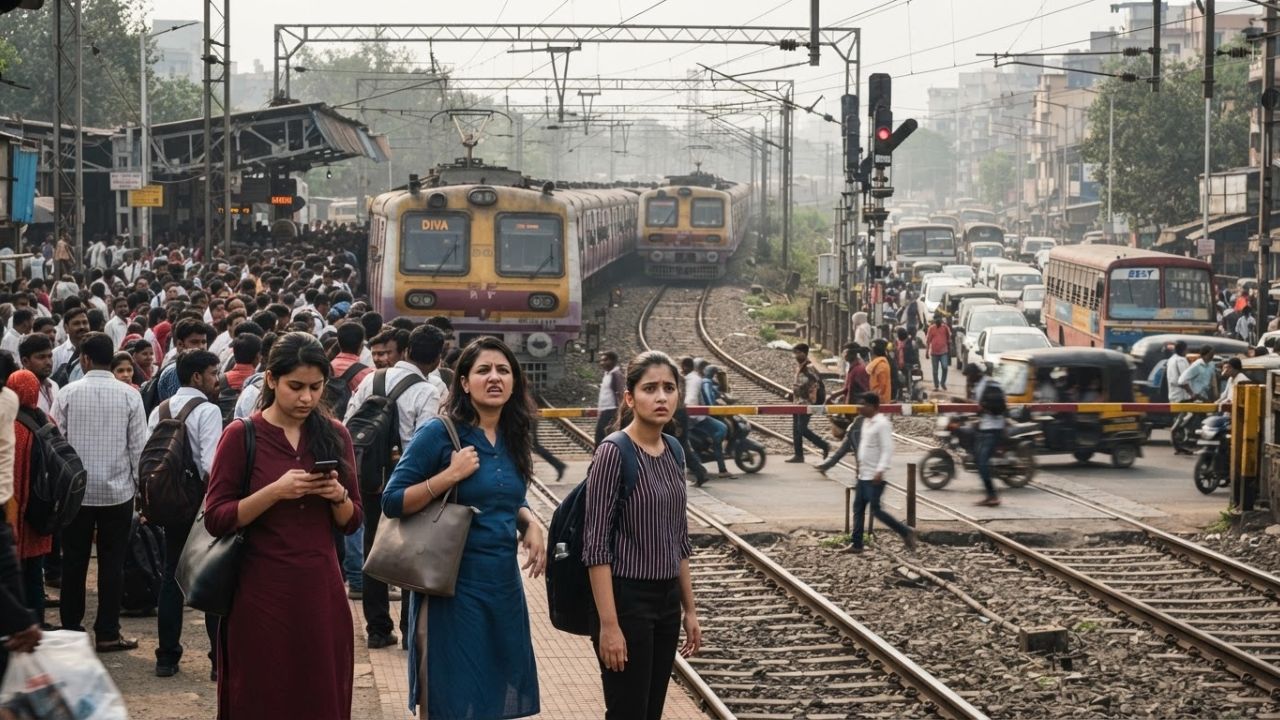
Image generated by AI
Opening the Diva level crossing during peak hours disrupted train movements on the Central Railway network, delaying around 30 out of 90 suburban services on the Central line and over 20 long-distance services. The delays inconvenienced thousands of daily passengers traveling through key transit corridors like Diva, Thane, and Kalyan.
The Local Trend Revealed
Suburban train operations in Mumbai rely on highly coordinated timetables where even minor interruptions at key points trigger network-wide delays. The disruption occurred when the Diva level crossing (LC-29) was opened to accommodate heavy road traffic during busy periods:
- Disruption Timings: The crossing was opened between 12.11 pm and 12.21 pm, with earlier interruptions also occurring at 10.35 am and 11.10 am.
- Suburban Impact: On the down line of the suburban network, local services headed past Diva were detained, including trains PK11, TAN3, and K43. Down Thane route services, including S21 and A21, also faced delays. On the up line toward Mumbai, trains connecting Ambernath, Titwala, Badlapur, and Kalyan experienced delays, leaving passengers with longer wait times and crowded platforms.
- Long-Distance Impact: Train traffic was affected on the main line and the fifth and sixth lines. Delayed trains included the Netravati Express, alongside the Mumbai-bound Hyderabad–Mumbai and Thiruvananthapuram North–Mumbai trains.
- Station Crowding: Platforms across Central Railway stations faced heavy congestion. Commuters at Ghatkopar station heading toward Chhatrapati Shivaji Maharaj Terminus (CSMT) faced significant delays on morning services.
Cultural & Environmental Value
For the commuter, the real impact of transit delays is the disruption to the local economic network. Supporting independent food stalls (tapris), tea vendors, and local newspaper sellers outside stations like Kalyan or Thane directly assists small business owners who rely on steady passenger traffic.
In terms of environmental footprint, Mumbai's suburban trains are the backbone of low-carbon urban transit. Choosing rail travel over private taxis reduces traffic congestion and air pollution. The Central Railway zone of Indian Railways is actively working to replace level crossings with Road Over Bridges (ROBs) and Road Under Bridges (RUBs). These grade-separated structures eliminate vehicle-train conflicts and reduce fuel wastage from vehicles idling at open crossings, aligning with urban climate goals monitored by the Mumbai Metropolitan Region Development Authority (MMRDA).
Visitor Insider Tips for Navigating Mumbai Local Trains
Local transit specialists suggest the following strategies for travelers:
- Use Transit Apps: Download the M-Indicator app for real-time local train schedules, platform updates, and commuter chat alerts. Use the UTS app to purchase tickets digitally, avoiding long booking office queues.
- Observe the Off-Peak Window: Plan your journey between 11:00 AM and 4:00 PM. The morning peak (8:30 AM to 10:30 AM) and evening peak (5:30 PM to 8:30 PM) bring extreme passenger crowds.
- Sample Local Transit Foods: Try a hot Vada Pav from a platform vendor, or visit a neighborhood restaurant near Kalyan station for a traditional plate of spicy Misal Pav.
- Explore Nearby Spots:
- Near Ghatkopar: Visit the Ghatkopar Khau Galli for famous street food specialties.
- Near Thane: Walk around Upvan Lake at the foothills of the Yeoor Hills for a quiet evening escape.
- Observe Boarding Etiquette: Stand in designated queue areas on platforms. When boarding, allow passengers to exit first. If you stand near the carriage doors, be prepared to step off temporarily to let others disembark.
Tourism Outlook
The long-term impact of level-crossing disruptions highlights the need for accelerated grade-separation projects. As the Mumbai suburban network expands, eliminating level crossings like LC-29 at Diva will be essential to improve scheduling reliability, protect passenger safety, and ensure seamless regional connectivity across the metropolitan area, as monitored by the Railway Board of India.
FAQ: Diva Level Crossing Disruption
How many services were delayed by the Diva crossing opening? The opening of the Diva level crossing disrupted around 30 out of 90 suburban services on the Central line and over 20 long-distance services.
What was the specific crossing involved in the delay? The disruption occurred at the Diva level crossing (LC-29) on the Central Railway network.
At what times was the Diva level crossing opened on August 26, 2026? The crossing was opened between 12.11 pm and 12.21 pm, with earlier openings occurring at approximately 10.35 am and 11.10 am.
Which long-distance trains were affected by the disruption? Affected services included the Netravati Express, the Hyderabad–Mumbai train, and the Thiruvananthapuram North–Mumbai train on the fifth and sixth lines.
Related Travel Guides
This article is for informational purposes. Flight routes, passenger regulations, visa rules, and transit advisories are subject to change by airlines and aviation authorities. Readers are advised to verify schedules and travel documentation with relevant carriers and border agencies before departure.
Related Stories
Indian Railways to Launch Optional Travel Insurance at Physical Reservation Counters October 27 2026
Indian Railways Launches Bengaluru–Mumbai Vande Bharat Sleeper in October 2026: Sub-16 Hour Overnight Transit Link Transforms Intercity Travel