
MSC Cruises Targets Gen Z Market With LNG-Powered World America and Ocean Cay Resort Expansion 2026
MSC Cruises is aggressively capturing the North American market by deploying LNG-powered megaships and private island resorts tailored to Gen Z preferences for sustainability and experience-driven travel.

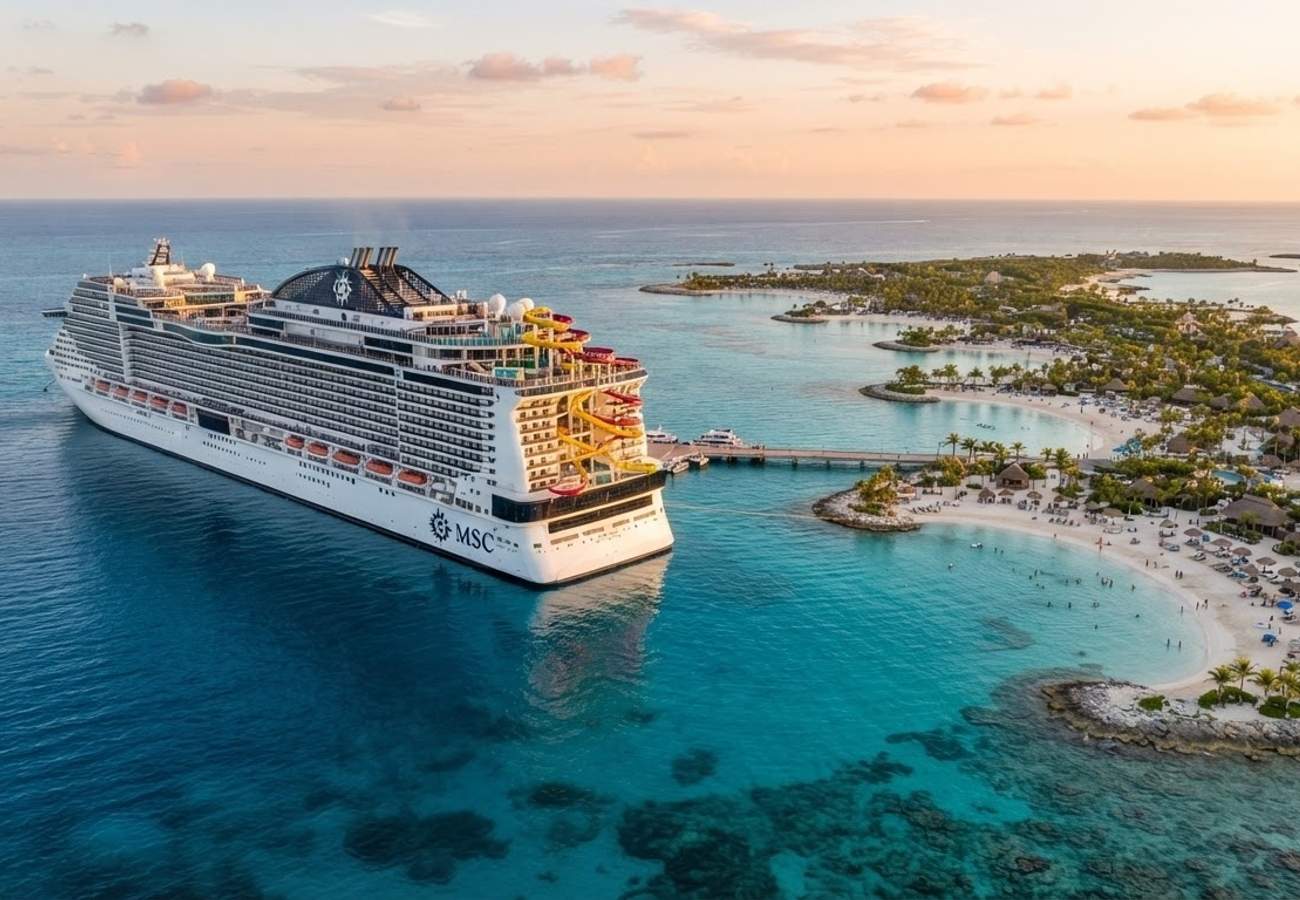
Image generated by AI
The U.S. cruise market is undergoing a strategic shift as MSC Cruises deploys LNG-powered hardware and resort-style private island overnights specifically engineered for Gen Z and Millennial demographics.
Strategic Pivot to North American Youth Market
Analysis of Cruise Lines International Association (CLIA) data confirms that the United States now represents over 50% of global cruise passengers. Within this segment, Millennials and Gen Z exhibit a higher intent to sail and a greater propensity for solo or friend-group travel compared to Boomer and Gen X cohorts.
Current market research indicates these younger travelers prioritize flexible social environments, high-value experiences, and "work-from-anywhere" compatibility over traditional maritime formality. MSC Cruises is leveraging this shift by integrating high-energy entertainment and social-media-centric design into its U.S. fleet.
Fleet and Infrastructure Breakdown: MSC World America
The cornerstone of this expansion is the MSC World America, a 216,000-gross-ton flagship that entered service in April 2025. Operating year-round from PortMiami, the vessel utilizes Liquefied Natural Gas (LNG) propulsion to appeal to the sustainability requirements of younger travelers.
Key Vessel & Port Specifications:
- Tonnage: 216,000 gross tons.
- Propulsion: LNG-powered for increased energy efficiency.
- Infrastructure: Supported by a multi-berth terminal at PortMiami capable of 36,000 passenger movements per day.
- Design Focus: Themed entertainment districts, expansive water parks, and outdoor promenades tailored for high-density socializing.
Ocean Cay MSC Marine Reserve: The Hybrid Destination
MSC has repositioned its private island in the Bahamas—located 65 miles east of Miami—as a "marine reserve retreat" rather than a traditional theme park. This follows a roughly 200 million dollar restoration of a former industrial sand-mining site.
Ocean Cay Operational Details:
- Capacity Model: Limited to one ship calling at a time to reduce crowding.
- Infrastructure: Over two miles of white-sand beaches across eight distinct areas.
- 2026 Upgrades: January 2026 enhancements include an extended pier and expanded guest infrastructure.
- Sustainability Status: Designated as a "Hope Spot" by Mission Blue for biodiversity and coral habitat support.
Passenger Rights & Advisory: Navigating the New Cruise Model
For the affected passenger, the shift toward "floating resorts" and private island overnights introduces specific legal and contractual considerations. Our analysis of current cruise contracts and maritime policy suggests the following:
Rebooking and Cancellation Rights Because these itineraries rely heavily on specific private destinations (Ocean Cay), a "diversion" occurs if the ship cannot dock. Under most cruise contracts, if a private island is skipped, the line is not required to provide a full refund but may offer a future cruise credit (FCC). Passengers should verify if their ticket includes "guaranteed destination" clauses.
Connectivity and Remote Work As Gen Z travelers integrate "work-from-anywhere" lifestyles, the reliance on ship-to-shore Wi-Fi at Ocean Cay is critical. Passengers should be aware that while MSC offers seamless Wi-Fi transitions, satellite latency can still impact professional VOIP calls or high-bandwidth meetings.
Sustainability Claims The use of LNG is marketed as a green alternative. However, passengers seeking strict environmental compliance should note that LNG reduces sulfur and particulate matter but remains a fossil fuel. For those filing sustainability-based complaints or seeking "green" certifications, the Mission Blue "Hope Spot" designation provides a verifiable benchmark for the island's ecological efforts.
The move by MSC to undercut legacy U.S. brands on base fares while maintaining high-end tiers like the Yacht Club is a classic "market penetration" strategy. By combining lower entry costs with "Instagram-ready" aesthetics and sustainable hardware, MSC is effectively lowering the average age of the cruise passenger.
The integration of the ship and the private island into a single, seamless resort experience reduces the friction of traditional port hopping, which aligns with the preference for curated, low-stress travel among younger demographics.
The era of the formal gala is yielding to the era of the floating beach club.
Related Travel Guides
Disclaimer
This article is for informational and educational purposes only. It does not constitute legal, financial, or professional advice. While we strive to provide accurate and up-to-date information, travel policies, regulations, and conditions change rapidly. Always verify information with official sources before making travel decisions. Nomad Lawyer makes no representations about the accuracy, reliability, completeness, or suitability of the information provided. Readers should consult qualified professionals for advice specific to their circumstances. The views expressed in this article are those of the author and do not necessarily reflect the views of Nomad Lawyer.
Raushan Kumar
Founder & Lead Developer
Full-stack developer with 11+ years of experience and a passionate traveller. Raushan built Nomad Lawyer from the ground up with a vision to create the best travel and law experience on the web.
Learn more about our team →