
Cape Town Ranks Fifth Global Cultural Capital 2026: How South Africa's Creative Hub Rivals Europe's Arts Cities
Cape Town secures fifth place in world's top cultural destinations for 2026, positioning South Africa as a major arts and culture travel hub competing with global creative capitals.

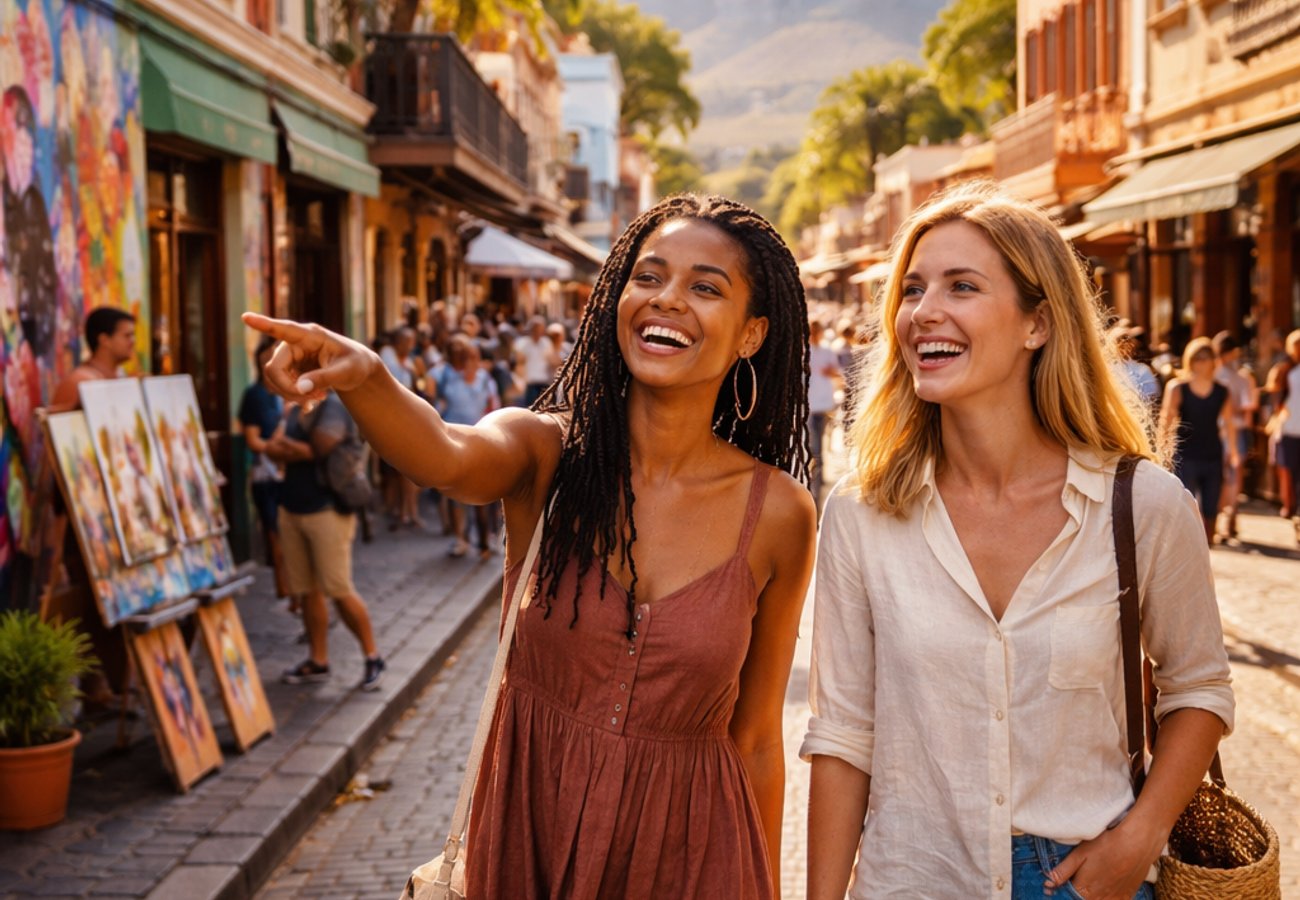
Image generated by AI
Cape Town Breaks Into Global Top Five—And It's Reshaping Africa's Travel Map
Cape Town has just claimed fifth place in the world's most prestigious ranking of cultural capitals for 2026—a seismic shift that positions South Africa's Mother City in direct competition with the Paris, London, and Berlin set. The recognition isn't just a tourism trophy. It's evidence that the narrative around world-class arts destinations is fundamentally changing.
Long dismissed as a scenic getaway famous for Table Mountain and wine country, Cape Town is now drawing international travelers specifically for what's happening on gallery walls, theater stages, and festival grounds. The city has transformed into Africa's most dynamic cultural tourism engine—and it's pulling hard at global travel patterns.
Reddit: "Went to Cape Town expecting Table Mountain. Stayed for Zeitz MOCAA and never left the arts district." — r/travel
How a Coastal City Became an Arts Powerhouse
The momentum didn't happen overnight. Cape Town's cultural infrastructure has been quietly solidifying for years. What's new is the global recognition—and the travelers it's pulling in.
The city now hosts a thriving ecosystem of contemporary art institutions, live performance venues, international festivals, and emerging digital art spaces. Museums compete with nightlife. Heritage districts compete with artisan markets. And crucially, none of this competes with price tags found in comparable Western cities.
Visitors can experience world-class arts experiences at costs that would be impossible in Paris, New York, or Sydney. This combination—cultural density plus affordability—is reshaping who travels where.
Zeitz MOCAA and Norval Foundation: Africa's Art Sanctuaries
At the heart of Cape Town's cultural renaissance sit two institutions that have fundamentally elevated the city's international profile: the Zeitz Museum of Contemporary Art Africa (Zeitz MOCAA) and the Norval Foundation.
Zeitz MOCAA, anchored at the Victoria and Alfred Waterfront, has become one of the African continent's most important contemporary art institutions. Its brutal yet elegant architecture—a converted grain elevator redesigned by British architect Thomas Heatherwick—draws architecture tourists alone. Inside, works from across the continent and African diaspora command international critical attention.
The Norval Foundation takes a different approach: sculpture gardens set against dramatic Cape mountain backdrops, creating an immersive experience where art and landscape merge. Together, these venues have positioned Cape Town within the global art tourism market in ways that rival established Western capitals.
Learn more about African contemporary art museums and their global significance.
Live Performance: Where Global Audiences Meet Local Talent
Cape Town's performing arts sector runs with relentless energy year-round. The Cape Town Philharmonic Orchestra performs at the historic Cape Town City Hall. The Artscape Theatre Centre and Baxter Theatre Centre present everything from theatrical productions to dance, comedy, and experimental performance.
This isn't provincial culture. International touring companies partner with local producers. Jazz venues pulse nightly. Afro-fusion, electronic, and contemporary African sounds compete for stage time. The performing arts ecosystem ensures Cape Town functions as a year-round destination rather than a seasonal tourism spike.
Travelers aren't just consuming culture—they're encountering South Africa's creative talent directly and in real time.
Festivals and Events: The Calendar That Never Stops
One of Cape Town's most underrated tourism assets is its relentless calendar of cultural festivals and art fairs.
International design exhibitions, food festivals, and cultural celebrations draw visitors from across Africa and beyond. Many neighborhoods transform monthly: galleries stay open late, restaurants host live music, and creative spaces host collaborative projects. This creates a constantly evolving cultural landscape that makes return visits feel like discovering a different city.
The festival calendar isn't uniform—it reflects Cape Town's demographic and creative diversity. Visitors encounter genres, aesthetics, and artistic traditions that global tourism boards rarely spotlight outside of Western capitals.
Digital Art and Immersive Experiences: Cape Town's 2026 Innovation Push
The year 2026 has brought fresh investment in Cape Town's creative economy. New digital art installations, immersive experiences, and collaborative artistic projects have added momentum to an already dynamic cultural offering.
This reflects a broader global travel trend: experiential tourism is eclipsing traditional sightseeing. Visitors increasingly seek interactive, memorable activities over passive observation. Cape Town's willingness to invest in new formats—rather than resting on established attractions—keeps the destination ahead of competitive pressure.
These developments also distribute tourism spending across creative industries and neighborhoods, strengthening the local economy beyond traditional tourist zones.
Explore how experiential tourism is reshaping global travel patterns.
The Affordability Advantage That Changes Everything
Here's the unfair advantage Cape Town holds: it's a top-five global cultural capital at developing-world prices.
A museum ticket, theater performance, gallery entry, or dinner at a restaurant with live music costs a fraction of what identical experiences cost in Paris, London, or New York. This affordability doesn't signal lower quality—it reflects different economic realities and creates a powerful competitive advantage.
Travelers seeking immersive cultural experiences increasingly choose destinations where quality and value intersect. Cape Town occupies that rare space more completely than most Western alternatives.
Reddit: "Spent two weeks in Cape Town's arts scene for less than the cost of a weekend in Barcelona." — r/budgettravel
Beyond Table Mountain: Cape Town's Diversified Tourism Economy
Cape Town's global ranking signals a fundamental shift in how the city markets itself and how travelers perceive it.
Table Mountain, coastlines, and Winelands remain central to visitor experience. But increasingly, travelers choose Cape Town specifically for its arts, architecture, heritage, design communities, and creative ecosystems. This diversification broadens the tourism base and attracts visitors with varied interests—from culture-focused travelers to hybrid visitors combining nature and arts.
A more diversified tourism economy is also more resilient. It supports growth across multiple market segments and reduces vulnerability to seasonal fluctuations or external shocks.
What This Ranking Means for South Africa's Global Travel Position
Cape Town's fifth-place finish isn't just local news. It repositions South Africa within global travel consciousness.
The country's tourism narrative—historically anchored to Kruger National Park safaris and scenic coastlines—now includes a major cultural dimension. International travelers increasingly associate South Africa with creative excellence, not just natural beauty. This expands the demographic of potential visitors and lengthens average trip duration.
For African tourism more broadly, Cape Town's recognition challenges persistent Western narratives about where world-class cultural experiences exist. The city proves that contemporary art, performing arts, and creative infrastructure operate at global standards outside traditional Western capitals.
The Competitive Edge: Why Cape Town Wins
Cape Town's top-five ranking reflects a perfect alignment of factors: exceptional cultural institutions, continuous event programming, affordability, natural beauty, and a creative community actively pushing artistic boundaries.
But the ranking also reflects timing. As global travelers increasingly prioritize authentic experiences over passive sightseeing, as budget consciousness reshapes travel decisions, and as Western cultural capitals face overtourism, Cape Town positions itself as an alternative that sacrifices nothing in quality while delivering dramatically different experiences.
The city has essentially solved the equation that most destinations can't: how to be simultaneously world-class and accessible, culturally sophisticated and geographically dramatic, established and still innovating.
Cape Town didn't just make a top-five list—it rewrote the map of where global culture matters.
Related Travel Guides
Disclaimer
This article is for informational and educational purposes only. It does not constitute legal, financial, or professional advice. While we strive to provide accurate and up-to-date information, travel policies, regulations, and conditions change rapidly. Always verify information with official sources before making travel decisions. Nomad Lawyer makes no representations about the accuracy, reliability, completeness, or suitability of the information provided. Readers should consult qualified professionals for advice specific to their circumstances. The views expressed in this article are those of the author and do not necessarily reflect the views of Nomad Lawyer.
Raushan Kumar
Founder & Lead Developer
Full-stack developer with 11+ years of experience and a passionate traveller. Raushan built Nomad Lawyer from the ground up with a vision to create the best travel and law experience on the web.
Learn more about our team →