
MSC Cruises and ORCA Launch Whale Conservation Program in Alaska
MSC Cruises partners with ORCA to deploy marine research platforms aboard MSC Poesia during its 2026 Seattle-based Alaska season.

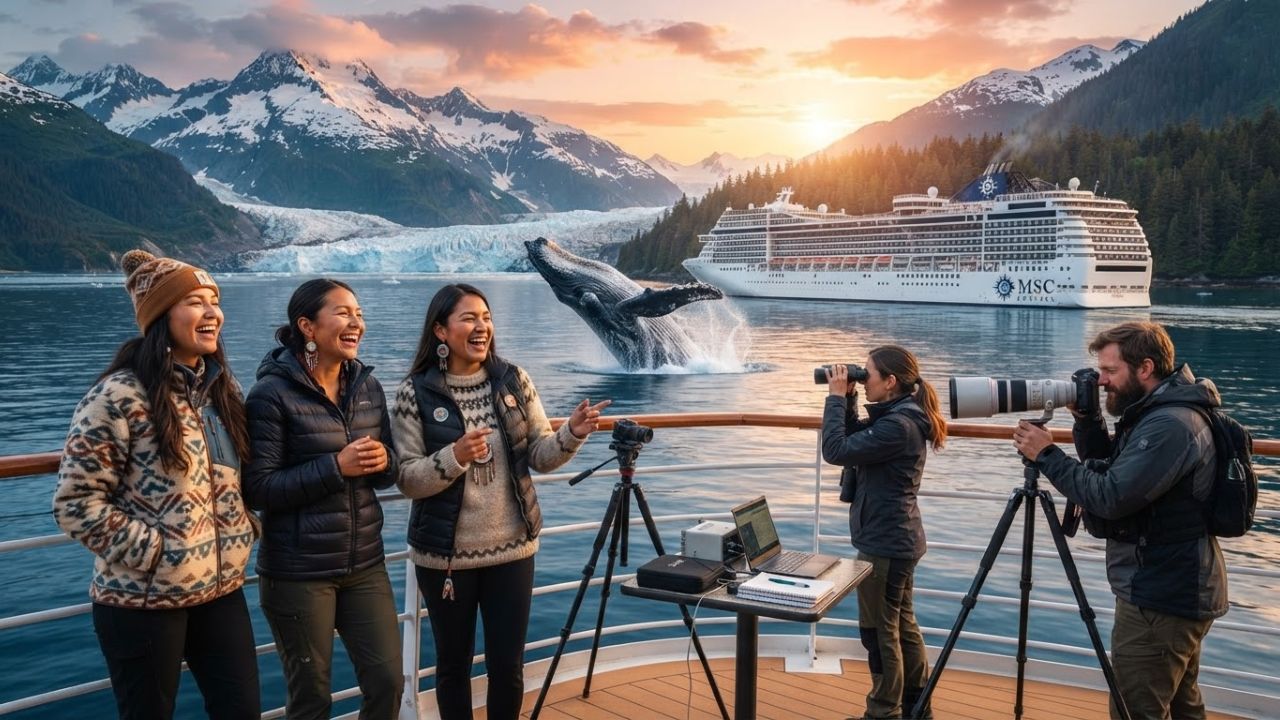
Image generated by AI
MSC Cruises is integrating scientific observation into its regional route network, establishing a marine conservation cruise tourism research partnership with ORCA aboard the MSC Poesia.
A major collaboration between marine scientists and cruise operators is improving environmental tracking in the Pacific Northwest, with marine conservation cruise tourism programs launching in Alaska. MSC Cruises has partnered with ORCA to carry out wildlife monitoring from the deck of the MSC Poesia. The ship is sailing seven-night itineraries departing from Seattle through September 2026.
The Onboard Monitoring Framework
The conservation program collects real-time navigation and sighting data across sensitive coastal habitats:
- Seattle Homeport: The city became MSC's newest US homeport when the inaugural Alaska season launched in May 2026.
- Itinerary Stops: Voyages include calls in Ketchikan, Icy Strait Point, and Juneau in Alaska, along with Victoria, British Columbia.
- Onboard Technology: ORCA researchers utilize a specialized mobile observation platform equipped with high-powered binoculars and camera systems.
- Data Sharing: At the close of the season, ORCA will publish a comprehensive scientific report detailing whale encounters, vessel distances, and behavioral trends.
The program also includes onboard educational seminars and guided viewing sessions to raise environmental awareness among cruise passengers.
The table below outlines the route stops and scientific parameters for the MSC Poesia program:
MSC Poesia Alaska Itinerary and ORCA Research Profile 2026
| Transit Hub / Fjord Stop | Regional Jurisdiction | Key Marine Mammal Habitat | Primary Scientific Focus Area |
|---|---|---|---|
| Seattle Homeport | Washington, USA | Puget Sound transit lane | Port departure traffic & noise monitoring |
| Ketchikan | Alaska, USA | Inside Passage channels | Monitoring resident humpback whale activity |
| Icy Strait Point | Alaska, USA | Glacier Bay feeding grounds | Sighting humpback & killer whale groups |
| Juneau | Alaska, USA | Lynn Canal transit corridors | Tracking whale reactions to cruise traffic |
| Victoria | British Columbia, Canada | Salish Sea shipping lanes | Monitoring southern resident killer whales |
Why This Matters
For travelers on this route, the real impact is the opportunity to participate directly in conservation efforts while enjoying an Alaskan vacation. Instead of taking standard commercial whale-watching excursions, passengers on the MSC Poesia can attend wildlife presentations hosted by ORCA researchers. This provides a detailed look at how marine biologists collect migration data and manage shipping channels to reduce vessel strikes.
From a logistical perspective, this means that cruise routes will adapt to avoid seasonal whale migration paths. By analyzing real-time sighting data, vessel captains can adjust their speeds and headings in designated whale zones, ensuring safe navigation without causing major delays to the itinerary schedule.
Industry Outlook
Our analysis indicates that environmental monitoring will become a mandatory standard for operating in fragile environments like Alaska. As regional regulatory bodies enforce stricter speed limits and noise controls in marine corridors, cruise lines must demonstrate active cooperation with conservation groups to secure seasonal permits.
Furthermore, market trends suggest that passengers are increasingly choosing cruise lines that show a clear commitment to environmental management. Integrating research stations directly into regular cruise operations helps cruise lines build brand value while contributing vital data to global marine protection databases.
Related: Frankfurt Airport Competes with Schiphol and Dubai in Hub Connectivity Race
Related: Assam and Meghalaya Emerge as Leading Monsoon Tourism Escapes
Related: Tenerife Prepares for August 2026 Solar Eclipse and Perseid Peak
Disclaimer
This article is for informational and educational purposes only. It does not constitute legal, financial, or professional advice. While we strive to provide accurate and up-to-date information, travel policies, regulations, and conditions change rapidly. Always verify information with official sources before making travel decisions. Nomad Lawyer makes no representations about the accuracy, reliability, completeness, or suitability of the information provided. Readers should consult qualified professionals for advice specific to their circumstances. The views expressed in this article are those of the author and do not necessarily reflect the views of Nomad Lawyer.
Raushan Kumar
Founder & Lead Developer
Full-stack developer with 11+ years of experience and a passionate traveller. Raushan built Nomad Lawyer from the ground up with a vision to create the best travel and law experience on the web.
Learn more about our team →