Beyond the Big Five: Mpumalanga and South Africa's Multi-Province Safari Renaissance 2026

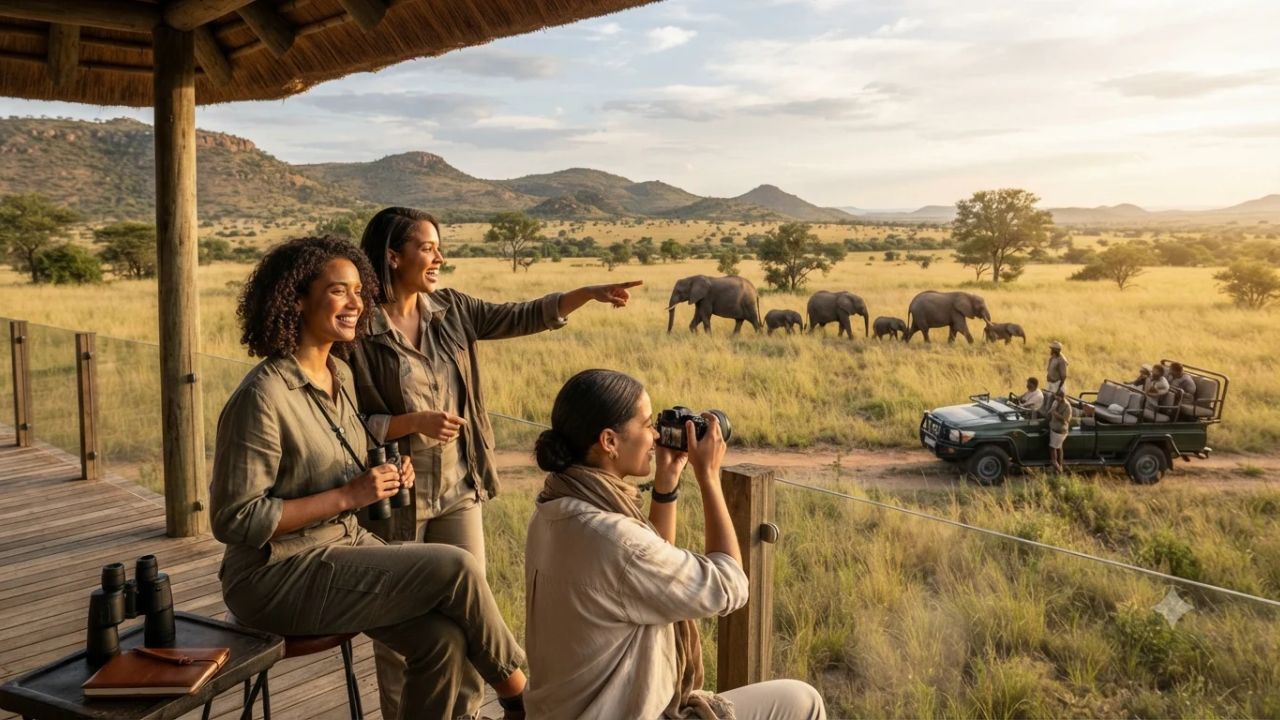
Covering nearly two million hectares across Mpumalanga and Limpopo, Kruger National Park's southern and central river basins support Africa's densest concentration of leopards, white rhinos, and breeding elephant herds. In 2026, Mpumalanga is leading a nationwide modernization of South Africa's safari model, combining upgraded visitor amenities and community-led anti-poaching concessions with seamless regional flight connections that link savannah game drives directly to Cape Town's coastal peaks, KwaZulu-Natal's marine estuaries, and the red dunes of the Kalahari.
Rather than treating a safari as an isolated bush break, international travelers are embracing connected provincial itineraries. By leveraging enhanced flight schedules through Kruger Mpumalanga International Airport (KMIA), visitors can witness dawn lion prides in the Greater Kruger wilderness and, within hours, be exploring Atlantic vineyards or walking among thousands of protected elephants in the Eastern Cape.
The Multi-Province Safari Grid: 2026 Regional Dynamics
South Africa's 2026 wildlife tourism strategy builds on distinct ecological strengths across its provinces. While Mpumalanga anchors the flagship Big Five experience, complementary conservation parks across the country offer contrasting wildlife encounters:
| Province & Anchor Park | Wildlife & Conservation Specialty | 2026 Travel Role & Focus |
|---|---|---|
| Mpumalanga (Kruger & Greater Kruger) | Big Five density, private concessions, Blyde River Canyon | Modernized park gates, luxury eco-lodges, ranger training |
| KwaZulu-Natal (Hluhluwe-iMfolozi & iSimangaliso) | Historic rhino sanctuaries, estuarine hippos & marine turtles | Combining bush safaris with Indian Ocean beach diving |
| Eastern Cape (Addo Elephant National Park) | Over 600 wild elephants, malaria-free savannah | Family-friendly game drives, biodiversity restoration |
| Northern Cape (Kgalagadi Transfrontier Park) | Black-maned Kalahari lions, cheetah tracking, red dunes | Remote wilderness photography, low-density desert safaris |
| Western Cape (Cape Town & Coast) | Marine Big Five (whales, sharks, penguins), floral reserves | Urban culture, wine estates, and coastal adventure pairings |
| North West (Pilanesberg Game Reserve) | Extinct volcanic alkaline crater, accessible Big Five | Short-stay safaris close to Johannesburg and Pretoria |
In KwaZulu-Natal, Hluhluwe-iMfolozi Park continues its legendary role in southern white rhino preservation, while the coastal waterways of iSimangaliso Wetland Park—a UNESCO World Heritage site—allow travelers to observe basking Nile crocodiles and pods of hippos from flat-bottom boats. In the Eastern Cape, Addo Elephant National Park provides a premier malaria-free haven for families, while the remote Northern Cape's Kgalagadi Transfrontier Park attracts wilderness purists seeking desert predators against rust-red dunes.
What Sets Mpumalanga Apart from Other African Bush Destinations
Mpumalanga, whose name means "the place where the sun rises" in Swati, possesses an extraordinary topographical transition. Within a single hour's drive, the terrain drops over 1,000 meters from the misty crags of the Drakensberg Escarpment down into the sub-tropical Lowveld savannah.
This dramatic geography allows visitors to pair wildlife tracking with scenic natural wonders:
- Blyde River Canyon: One of the world's largest vegetated green canyons, featuring panoramic viewpoints like God's Window, the Three Rondavels, and Bourke's Luck Potholes.
- Greater Kruger Private Reserves: Unfenced private conservancies such as Sabi Sand, Manyeleti, and Timbavati that share open borders with Kruger National Park, permitting off-road tracking and night game drives.
- Historic Gold Rush Hamlets: Preserved 1870s mining hamlets like Pilgrim's Rest, offering insight into early settler and indigenous history along the Panorama Route.
Travelers can research gate tariffs, conservation fees, and self-drive rest camp reservations directly through the official South African National Parks (SANParks) network or the South African Tourism board.
Visitor Insider Tips for an Authentic South African Safari
Maximizing your time in the bush requires practical bushcraft and operational planning:
- Arrive at Park Gates at First Light: In Kruger National Park, gates open between 5:30 AM and 6:00 AM depending on the season. The first ninety minutes after sunrise provide your best opportunity to see active predatory cats returning from nighttime hunts along paved and gravel river roads.
- Fly Direct into Kruger Mpumalanga (KMIA): Skip the five-hour highway drive from Johannesburg by booking scheduled flights into Kruger Mpumalanga International Airport near Nelspruit or direct bush hops into private airstrips in Sabi Sand.
- Pack Layered Clothing for Thermal Swings: Morning open-vehicle game drives can feel surprisingly frosty with wind chill dropping to 8°C (46°F), while midday temperatures often exceed 30°C (86°F). Bring a windbreaker, fleece, neutral-toned cotton shirts, and a wide-brimmed sun hat.
- Experience a Traditional Boma Feast: Conclude your safari evening around an open-air fire pit (boma), savoring regional specialties like grilled game venison, slow-simmered potjiekos beef stew, traditional maize porridge (pap), and spicy chakalaka relish.
- Respect Wildlife Etiquette: When self-driving in Kruger or Pilanesberg, never lean out of car windows, maintain at least 30 meters of clearance from elephant breeding herds, and turn off your engine when viewing rhino or leopard sightings to avoid startling the animals.
Cultural and Environmental Context of Modern Conservation
South Africa's 2026 safari initiatives prioritize community-centered conservation. For decades, historical game reserves operated behind exclusionary fences. Today, community trusts adjoining Kruger and Hluhluwe-iMfolozi own significant shares in luxury safari concessions, generating vital revenue for local schools, clean water wells, and healthcare clinics.
The battle against wildlife crime has also evolved. Through high-tech radar tracking, canine anti-poaching units, and community intelligence networks, rhino poaching rates across Mpumalanga have seen marked decreases. Safari lodge conservation levies go directly toward funding these anti-poaching teams and wildlife veterinary interventions, ensuring that every tourist stay actively finances endangered species protection.
FAQ: Visiting South Africa's Safari Reserves 2026
What is the best time of year for wildlife viewing in Kruger? The dry winter months from May to September offer the best game viewing, as vegetation thins out and animals congregate around permanent waterholes and riverbeds.
Do I need malaria medication for a South African safari? Kruger National Park and northern KwaZulu-Natal sit within low-to-moderate malaria zones, so preventative prophylaxis is recommended. Addo Elephant National Park and Pilanesberg are certified malaria-free.
Can I combine a Kruger safari with Cape Town in one week? Yes. Daily direct flights connect Kruger Mpumalanga International Airport (KMIA) and Skukuza Airport with Cape Town International Airport in roughly two and a half hours.
Is a self-drive safari feasible for first-time visitors? Yes. Kruger National Park features well-signposted asphalt and graded gravel roads suitable for standard 2WD rental cars, complete with fenced rest camps offering fuel, restaurants, and grocery stores.
Under the vast southern skies, South Africa's wild heart beats strongest where ancient animal tracks meet visionary conservation.
Related Travel Guides
This article is for informational purposes. Flight routes, passenger regulations, visa rules, and transit advisories are subject to change by airlines and aviation authorities. Readers are advised to verify schedules and travel documentation with relevant carriers and border agencies before departure.
Related Stories
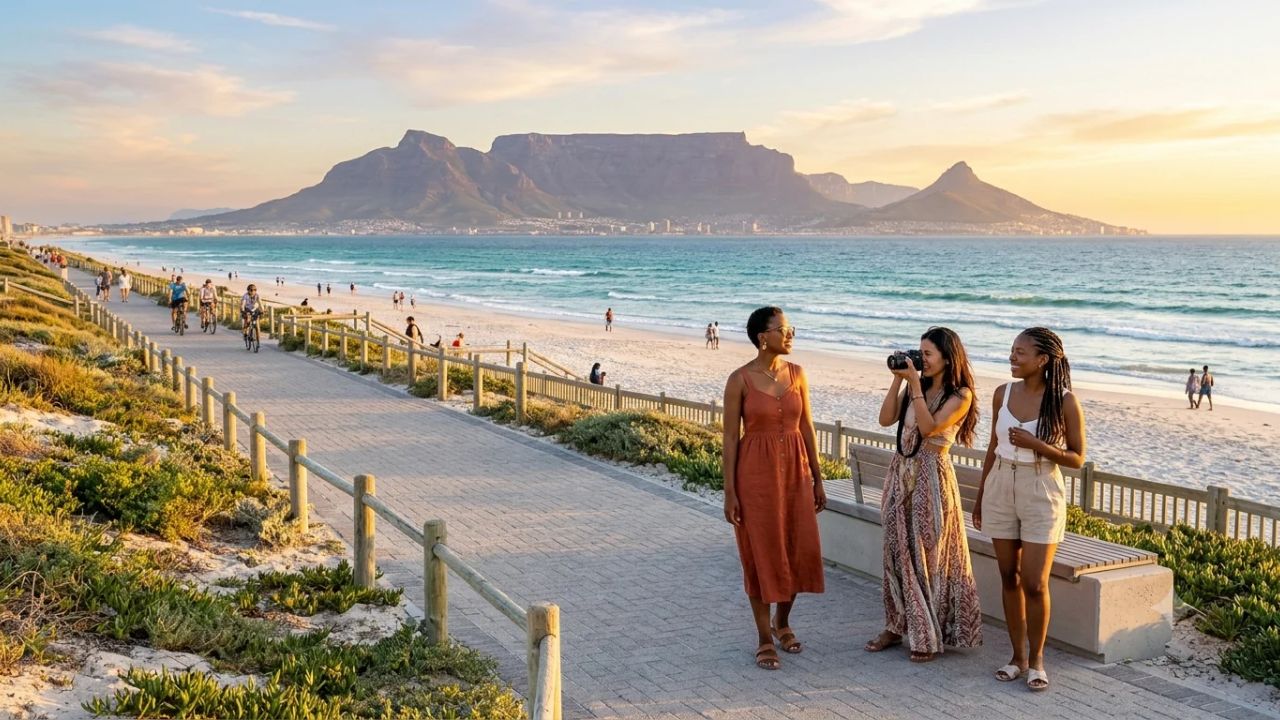
Cape Town Completes Table View Beachfront Coastal Transformation Ahead of 2026-2027 Summer Season
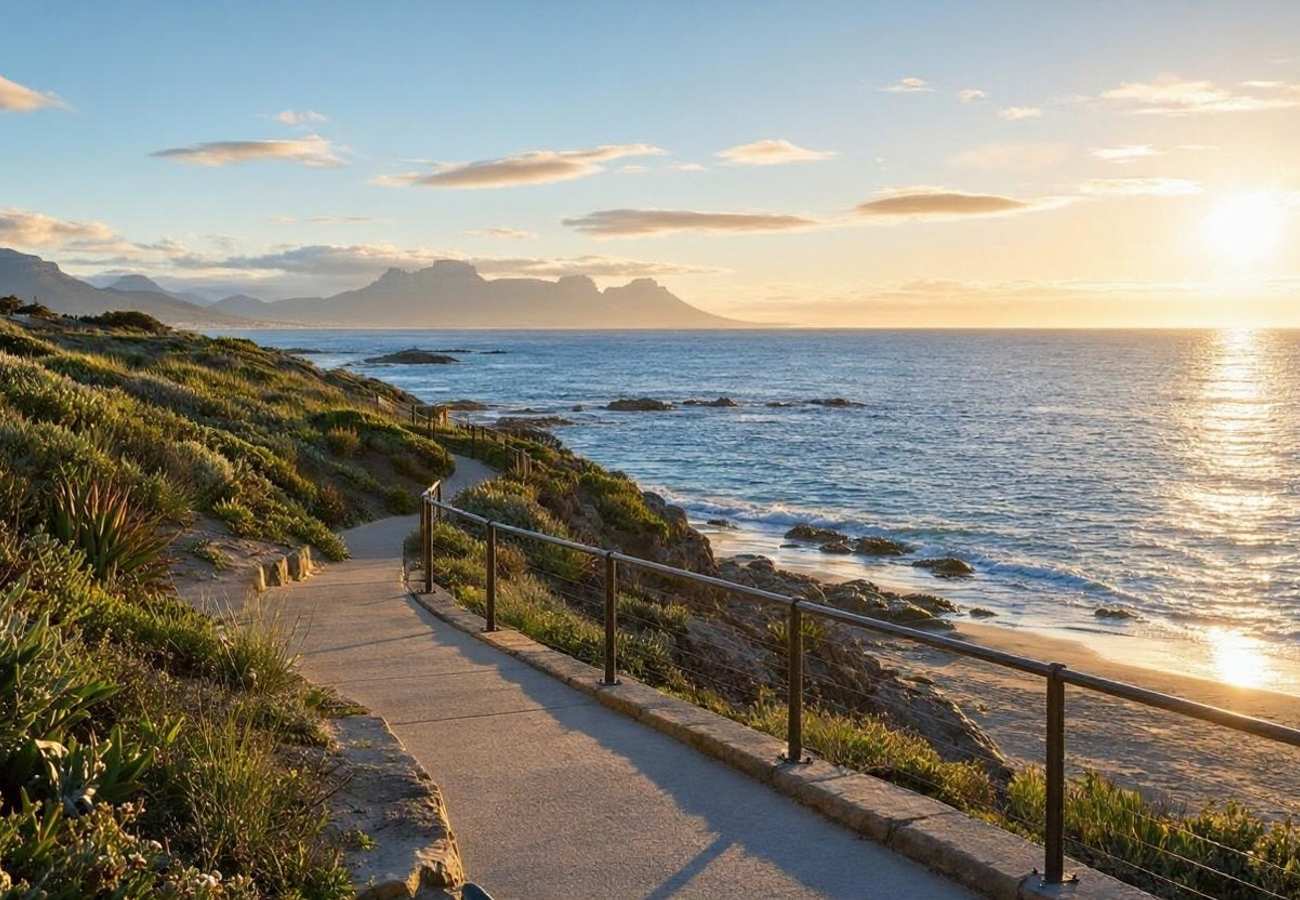
Cape Town Table View Beachfront Upgrades 2026: Infrastructure Shifts and Visitor Rights