
Montana State Scenic Park Features America's Largest Freshwater Spring
Montana's premier state scenic park opens new visitor facilities in 2026, showcasing one of America's biggest freshwater springs alongside world-class fishing and hiking experiences.

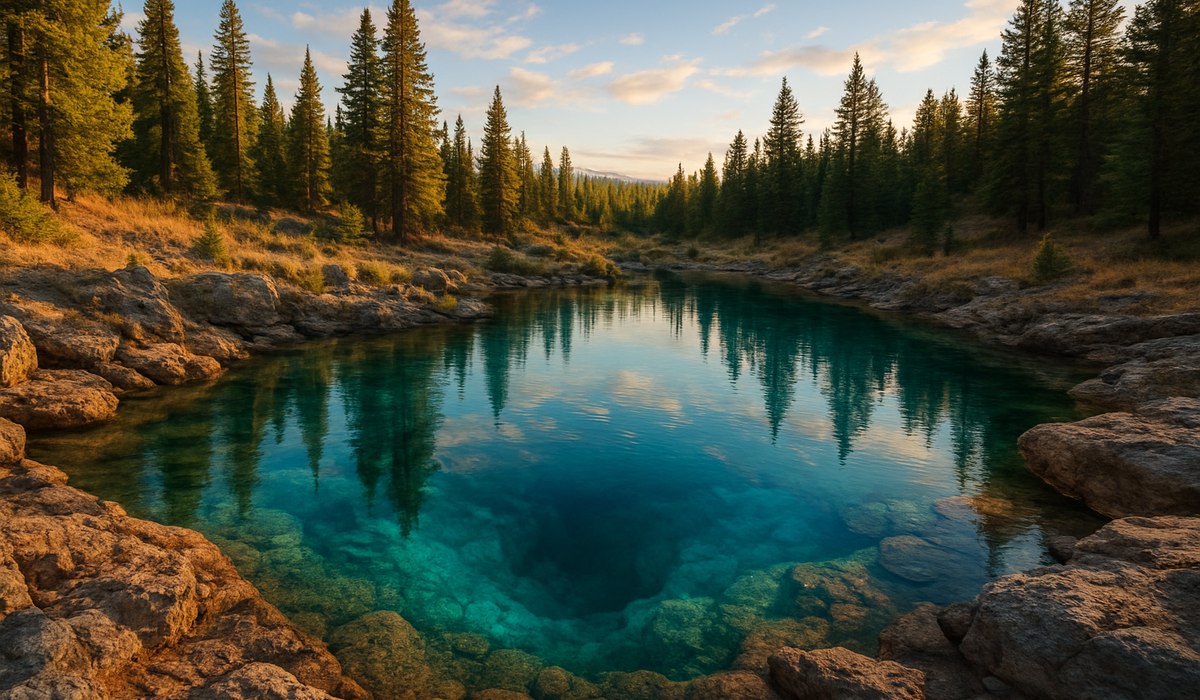
Image generated by AI
Montana State Scenic Park Unveils Expanded Access to America's Premier Freshwater Spring
Montana's iconic state scenic park continues to draw outdoor enthusiasts worldwide, featuring one of America's biggest freshwater springs alongside pristine fishing grounds and challenging hiking trails. The destination has recently enhanced visitor amenities and access points throughout 2026, making this natural wonder more accessible than ever before. Located in central Montana, this remarkable park combines geological significance with rich cultural heritage, offering travelers an unparalleled blend of adventure and natural beauty.
The Freshwater Spring: A Natural Wonder
The centerpiece of this Montana state scenic destination is an extraordinary freshwater spring that ranks among the largest in North America. Flowing consistently year-round, the spring produces thousands of gallons daily, creating crystalline pools and vibrant ecosystems that support diverse wildlife populations.
The spring's mineral composition and pristine waters maintain consistent temperatures, making it ideal for aquatic research and recreational activities. Local geologists attribute the spring's impressive volume to deep underground aquifer systems fed by mountain snowmelt and rainfall. The surrounding landscape showcases unique geological formations and natural springs that tell the story of Montana's complex terrain.
Visitors can explore designated viewing areas and educational installations that explain the spring's hydrology and ecological importance. The park's interpretive center provides detailed information about groundwater systems and conservation efforts. Many travelers consider the freshwater spring experience essential when visiting this Montana state scenic attraction. For more details on planning your visit, consult the official Montana Fish, Wildlife and Parks website.
World-Class Fishing Opportunities
The park's abundant waters have established it as a premier destination for fishing enthusiasts seeking trophy-sized catches and serene riverside experiences. Cold, clear spring waters create optimal conditions for multiple fish species, including rainbow trout, cutthroat trout, and brown trout populations.
Both fly-fishing and spin-casting techniques thrive throughout designated fishing zones. Experienced anglers report consistent success rates, particularly during spring and fall months when water temperatures peak productivity. The park maintains strict catch-and-release policies in certain areas to preserve breeding populations.
Professional guide services operate throughout the park, offering lessons for beginners and advanced strategies for experienced anglers. Equipment rental facilities ensure travelers without gear can still participate fully. Daily fishing permits are affordable and support ongoing conservation initiatives. Check current regulations on Montana's official fishing resources page before your visit.
Hiking Trails and Outdoor Activities
This Montana state scenic park boasts over thirty miles of well-maintained hiking trails accommodating all skill levels. Routes range from easy one-mile nature walks to challenging ten-mile backcountry expeditions through alpine terrain.
Popular trails provide access to secondary springs, panoramic viewpoints, and interpretive markers explaining geological formations. Moderate difficulty routes attract families and casual hikers seeking scenic experiences without extreme physical demands. Advanced hikers tackle elevation gains exceeding 2,000 feet while discovering remote meadows and wildlife viewing areas.
Seasonal trail conditions vary significantly, with winter closures affecting higher elevations. Summer offers optimal hiking weather with moderate temperatures and minimal precipitation. Spring wildflower blooms create spectacular photography opportunities across meadow systems. Wildlife encounters are common—visitors frequently observe elk herds, bighorn sheep, and various bird species.
Additional activities include picnicking, wildlife photography, and nature education programs. The park's visitor centers offer ranger-led walks and seasonal presentations exploring natural and human history.
Best Time to Visit
Travel seasons significantly impact your Montana state scenic park experience, with each period offering distinct advantages.
Summer months (June through August) attract the highest visitor volumes, featuring warm temperatures, fully opened trails, and accessible facilities. However, expect crowds at popular attractions and parking challenges during peak weekends.
Spring (April through May) brings wildflower displays and moderate visitor levels as trails become snow-free. Water levels remain high from snowmelt, creating dramatic waterfall cascades alongside the freshwater spring systems.
Fall (September through October) offers crisp weather, fewer crowds, and stunning foliage transformations. Fishing improves considerably as water temperatures cool and trout feeding activity increases.
Winter (November through March) closes higher elevation trails but provides access to lower-elevation attractions. Reduced visitor numbers create peaceful experiences, though some facilities operate on limited schedules.
Spring and early fall represent ideal compromise periods, combining favorable weather with manageable crowds and fully operational facilities.
How to Get There
Accessing this Montana state scenic destination requires planning depending on your starting location and preferred transportation method.
By Air: Nearest major airports include Billings Logan International Airport (approximately 90 minutes away) and Missoula International Airport (roughly 120 minutes). Rental car services operate from both facilities.
By Car: The park sits directly accessible via US Highway 89, with well-marked signage visible for twenty miles prior to the entrance. From Billings, follow US-89 north approximately ninety minutes. Parking facilities accommodate over 500 vehicles across multiple lots. RV campgrounds near the park offer overnight accommodations with hookup services.
Public Transportation: Limited regional bus services connect to nearby towns, though personal vehicles provide optimal flexibility for exploring multiple trail systems.
The entrance station operates year-round with extended hours during tourist season. Day-use fees remain affordable, with discounted annual passes available for frequent visitors.
Planning Your Visit
Successfully enjoying this Montana state scenic destination requires advance preparation and strategic planning.
Reserve accommodations at least two months ahead during peak seasons. The park offers campgrounds ranging from rustic tent sites to full-service RV facilities. Nearby towns provide hotel, cabin, and vacation rental options. Pack layers for temperature fluctuations, proper footwear for trail conditions, and sun protection for high-altitude environments.
Arrive early during summer months to secure optimal parking spots at trailheads. Bring adequate water and snacks for extended hiking expeditions. Check trail conditions and weather forecasts before departing. Download offline maps and utilize park trail guides available at visitor centers.
Consult TripAdvisor reviews and ratings for recent visitor experiences and current facility status. Budget minimum full-day visits to adequately explore primary attractions.
Key Data Table
| Feature | Details |
|---|---|
| Freshwater Spring Flow Rate | 3,000+ gallons per minute year-round |
| Park Total Area | Over 8,000 acres of protected land |
| Hiking Trail Network | 32 miles across multiple difficulty levels |
| Fish Species Available | Rainbow, cutthroat, and brown trout |
| Annual Visitor Count | Approximately 180,000 visitors |
| Elevation Range | 4,200 to 8,500 feet above sea level |
| Camping Options | 85 developed sites plus backcountry permits |
| Season Length | Year-round access with seasonal closures |
What This Means for Travelers
This Montana state scenic park expansion significantly enhances outdoor recreation opportunities for diverse visitor demographics. Consider these actionable planning strategies:
-
Book accommodations immediately for summer travel dates, as expanded amenities have increased park popularity substantially during 2026.
-
Schedule multi-day visits to fully experience fishing opportunities, hiking diversity, and interpretive programs without rushing between attractions.
-
Visit during shoulder seasons (May-June or September-October) to balance weather conditions with manageable crowd levels and improved parking availability.
-
Prepare financially for daily entrance fees, campground costs, and potential guide service expenses, which enhance experience quality significantly.
-
Obtain fishing licenses in advance through Montana's online system to streamline entrance procedures and comply with state regulations.
FAQ
What is the best fishing season at Montana's state scenic park?
Spring (April-May) and fall (September-October) provide optimal fishing conditions when water temperatures and fish
Disclaimer
This article is for informational and educational purposes only. It does not constitute legal, financial, or professional advice. While we strive to provide accurate and up-to-date information, travel policies, regulations, and conditions change rapidly. Always verify information with official sources before making travel decisions. Nomad Lawyer makes no representations about the accuracy, reliability, completeness, or suitability of the information provided. Readers should consult qualified professionals for advice specific to their circumstances. The views expressed in this article are those of the author and do not necessarily reflect the views of Nomad Lawyer.
Raushan Kumar
Founder & Lead Developer
Full-stack developer with 11+ years of experience and a passionate traveller. Raushan built Nomad Lawyer from the ground up with a vision to create the best travel and law experience on the web.
Learn more about our team →