
Under Two Hours: Lesser-Known State Park Near NYC for Wildlife and Coastal Trails
Discover a pristine state park under two hours from NYC offering wildlife viewing, premier fishing spots, and scenic coastal trails. In 2026, this hidden gem provides the perfect escape for outdoor adventurers seeking solitude away from urban congestion.

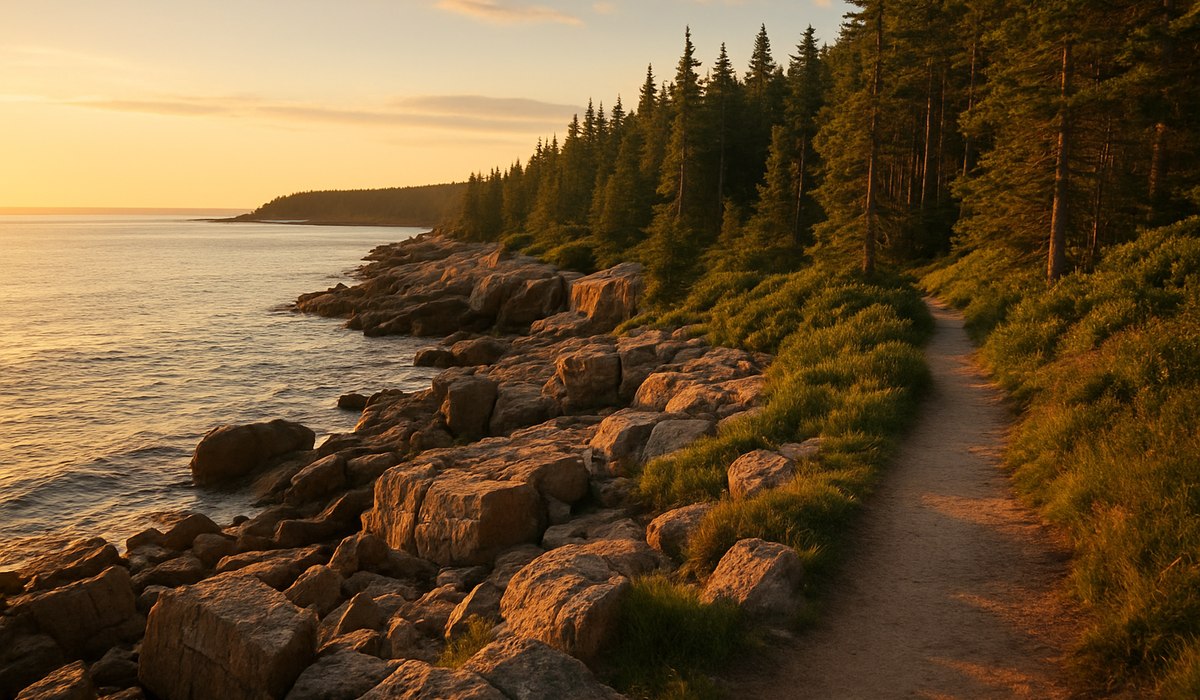
Image generated by AI
NYC's Best-Kept Outdoor Secret Under Two Hours Away
A remarkable lesser-known state park sits just under two hours from Manhattan, offering urban dwellers a genuine escape from the noise and congestion of New York City. This hidden destination combines pristine wildlife habitats, world-class fishing opportunities, and dramatic coastal trails that rival far more famous parks. Unlike overcrowded destinations that demand three-hour drives and require reservations months in advance, this underrated gem welcomes visitors seeking authentic outdoor adventure without the tourist infrastructure.
Getting There by Rail From NYC
Accessing this under two hours lesser known state park by train offers convenience and environmental benefits. Regional rail operators connect Manhattan directly to nearby stations with journey times ranging from 75 to 110 minutes depending on your starting point and train service selected.
The Northeast Regional and express services depart from Penn Station multiple times daily. Most travelers transfer at a regional hub before reaching the park entrance station. Standard commuter rail fare typically ranges from $15 to $35 for round-trip tickets, while express services command premium pricing.
Check the official MTA website for current schedules and service updates. Book your tickets through Trainline, which aggregates all regional operators and compares real-time fares instantly. Station amenities include bike rentals, taxi services, and seasonal shuttle buses to park trailheads during peak visiting months.
Wildlife and Nature Spotting Opportunities
This lesser-known state park showcases diverse ecosystems supporting rare bird species, coastal mammals, and forest fauna rarely documented at more commercialized locations. Early morning visitors frequently encounter osprey, great blue herons, and occasionally bald eagles during nesting season.
The park's saltmarsh habitats attract migratory waterfowl from Atlantic flyways, creating exceptional photography opportunities in spring and fall. Ranger-led nature programs identify local flora and fauna while explaining conservation efforts protecting endangered species. Bring binoculars and field guides for independent exploration along designated wildlife observation areas.
Autumn migration season delivers peak viewing conditions, with volunteer naturalists stationed at observation points offering real-time identification. Photography permits are available for serious birders capturing professional-grade images. The visitor center exhibits taxidermied specimens and interactive displays explaining local biodiversity.
Best Fishing Locations and Tips
This park ranks among the region's premier fishing spots for both saltwater and freshwater enthusiasts. Protected coves harbor striped bass, blue fish, and flounder during summer and fall months, while inland ponds support largemouth bass and catfish populations year-round.
Shore fishing requires only basic equipment and no licensing for visitors staying under two hours. Rental boats launch from the main dock during daylight hours. Spring runs coincide with herring migrations, attracting dedicated anglers pursuing trophy-sized specimens.
Park regulations prohibit night fishing and require catch-and-release protocols for protected species. Bait shops near the entrance provide live eels, clams, and sand shrimp. Experienced guides operate independently and can be booked through the visitor center. Peak fishing occurs during slack tide transitions and overcast weather conditions. Summer water temperatures sometimes reduce activity, making early season visits strategically superior for serious anglers.
Coastal Trails and Hiking Routes
The park maintains over 12 miles of scenic coastal trails ranging from easy two-mile loops to challenging eight-mile ridge hikes. Primary trails feature ocean vistas, tidal pool exploration areas, and geological formations spanning 200 million years.
The Bluff Ridge Trail delivers panoramic water views and encounters three distinct ecosystems within one route. Most hikers complete this four-mile option in 2.5 hours including photography breaks. Shore-level trails present opportunities for beachcombing and tide pool investigation, especially during low tide windows.
Advanced hikers should attempt the Lighthouse Loop, a six-mile route featuring elevation gain of 400 feet and spectacular coastal overlooks. Trail conditions vary seasonally; spring flooding occasionally closes lower elevation paths. Winter visitors enjoy solitude with excellent visibility, while summer brings wildflower blooms and migrating monarchs.
Maintain proper hydration and sun protection throughout hiking seasons. Download offline trail maps before departure, as cell service remains spotty in interior park sections. Designated rest areas provide benches and water fountains at two-mile intervals.
How to Book the Best Fare
Securing optimal rail fares requires advance planning and flexible travel dates. Weekday off-peak trains departing Tuesday through Thursday typically offer 20-30% savings compared to weekend pricing. Book tickets 7-14 days in advance when rail operators release promotional fares.
Monthly passes represent superior value for frequent visitors, often costing less than four individual round-trip tickets. Student and senior discounts apply through standard identification verification at ticket counters. Season passes bundling park admission and rail transportation launched in 2026, providing 35-40% value against separate purchases.
Mobile app reservations through Trainline provide instant digital tickets and real-time schedule alerts. Set price alerts on your preferred route to capture limited-time promotional offerings. Family packages accommodate up to four passengers at single-ticket prices during designated summer weeks.
Key Data and Park Statistics
| Metric | Details |
|---|---|
| Distance from NYC | 75-95 miles |
| Rail journey time | 1 hour 45 minutes to 2 hours 15 minutes |
| Total park acreage | 2,840 acres |
| Maintained trail miles | 12.4 miles |
| Annual visitors | Approximately 185,000 |
| Wildlife species documented | 147 bird species, 34 mammal species |
| Primary fishing species | Striped bass, blue fish, flounder, largemouth bass |
| Visitor center hours | 9 AM to 5 PM daily (seasonal variations) |
| Peak season | May-October |
| Average rail ticket price | $22 round-trip |
What This Means for Travelers
This under two hours lesser known state park represents an increasingly attractive alternative to overcrowded regional destinations as travelers prioritize authentic experiences and environmental responsibility. Here's how to maximize your visit:
-
Plan transportation strategically: Book rail tickets during off-peak travel windows for maximum savings while reducing driving emissions and parking hassles.
-
Arrive early for wildlife observation: Dawn visits deliver superior bird sighting probabilities and comfortable temperatures for extended hiking sessions.
-
Visit during shoulder seasons: May-June and September-October present optimal conditions with fewer crowds, moderate temperatures, and peak wildlife activity.
-
Obtain necessary permits: Fishing licenses, photography permits, and guide reservations should be arranged minimum two weeks ahead during summer months.
-
Bring redundant navigation: Download offline maps and bring printed backups, as the park's interior location limits reliable cellular coverage.
-
Check seasonal closures: Spring flooding occasionally closes lower-elevation trails; verify park access before departing NYC.
FAQ: Under Two Hours Lesser-Known State Park Questions
What rail operators serve this park? Regional rail services operate hourly departures from Penn Station through multiple operators. Express services reduce journey times to 105 minutes. Check schedules through the MTA website and Trainline for complete operator information and real-time pricing.
Are fishing licenses required? New York State regulations require licenses for all anglers age 16 and older. Temporary licenses valid seven days cost approximately $35. Same-day licenses are available at park entrance facilities.
Which trails suit beginner hikers? The Shore Loop (2 miles) and Tidal Pond Path (3 miles) accommodate novice hikers with minimal elevation gain. Both trails require 1-
Disclaimer
This article is for informational and educational purposes only. It does not constitute legal, financial, or professional advice. While we strive to provide accurate and up-to-date information, travel policies, regulations, and conditions change rapidly. Always verify information with official sources before making travel decisions. Nomad Lawyer makes no representations about the accuracy, reliability, completeness, or suitability of the information provided. Readers should consult qualified professionals for advice specific to their circumstances. The views expressed in this article are those of the author and do not necessarily reflect the views of Nomad Lawyer.
Raushan Kumar
Founder & Lead Developer
Full-stack developer with 11+ years of experience and a passionate traveller. Raushan built Nomad Lawyer from the ground up with a vision to create the best travel and law experience on the web.
Learn more about our team →