
Montana Northeastern Unsung State Park: 2026 Camping Guide
Montana's northeastern unsung state park emerges as a premier 2026 camping destination with sandy beaches, crystal-clear waters, and exceptional stargazing opportunities attracting outdoor enthusiasts.

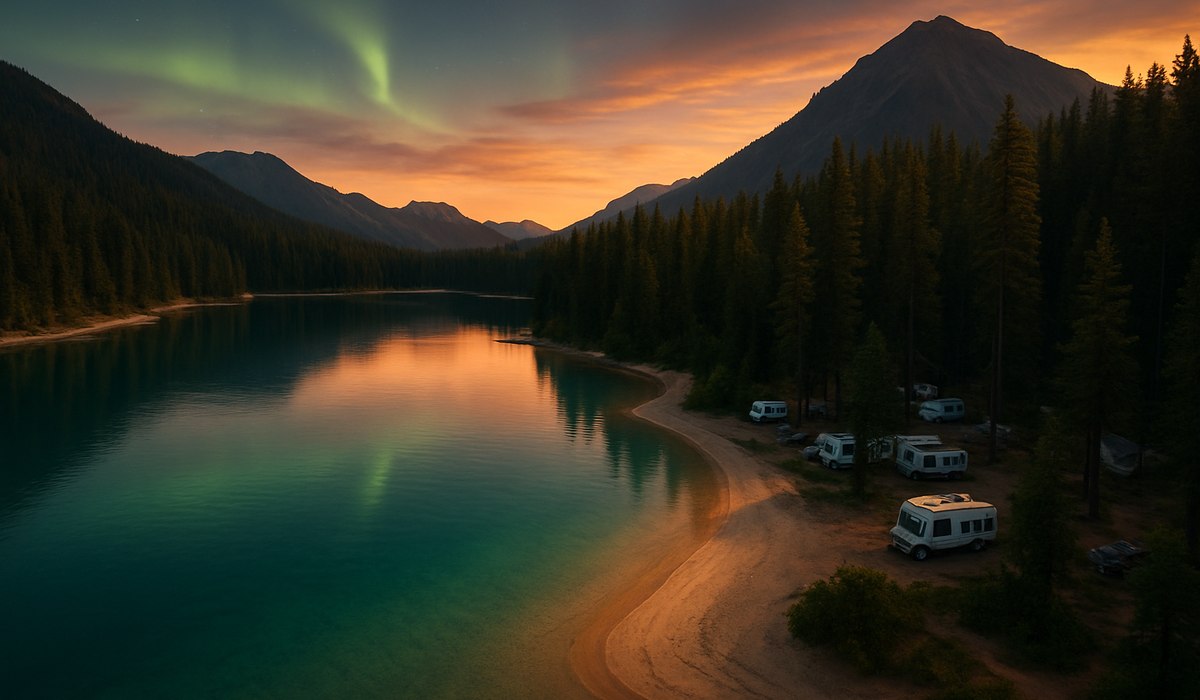
Image generated by AI
Montana's Overlooked Gem: A Hidden Sanctuary in the Northeast
Montana's northeastern unsung state park is quietly gaining recognition as one of the region's most compelling outdoor destinations. This pristine lakeside retreat combines sandy beaches, crystalline waters, and some of North America's most dramatic night skies. As travel patterns shift toward lesser-known locations, this underrated destination offers discerning travelers an escape from crowded national parks while delivering world-class recreational opportunities and unforgettable stargazing experiences throughout 2026.
Why This Montana State Park Deserves Your Next Camping Trip
The northeastern unsung state park stands apart from mainstream Montana destinations by offering a rare combination of accessibility and pristine natural conditions. Unlike crowded resort areas, this hidden sanctuary provides genuine solitude alongside full-service amenities. Sandy beaches slope gently into waters so clear that submerged features remain visible from the shore, creating ideal conditions for swimming, paddling, and water exploration.
Campgrounds here range from rustic backcountry sites to developed facilities with electricity and water hookups, accommodating everyone from minimalist campers to RV travelers. The park's strategic location means fewer crowds during peak summer months compared to Glacier National Park or Yellowstone. Wildlife thrives undisturbed, creating genuine opportunities for nature observation and photography that justify the detour from traditional highway routes.
Discover more about Montana's state parks system for comprehensive visitor information.
Water Activities: Swimming, Boating, and Fishing
The lake's exceptional clarity and moderate temperatures create perfect conditions for summer swimming. Beach areas designated for swimmers provide safe entry points with lifeguard presence during peak seasons. The water's purity reflects decades of conservation efforts and limited industrial development in the surrounding watershed.
Boating enthusiasts will find launch facilities accommodating kayaks, canoes, and motorboats with reasonable horsepower restrictions that maintain the park's peaceful atmosphere. Fishing yields native cutthroat trout and northern pike, with regular stockings ensuring consistent catches. Anglers report best results during early morning and evening hours when water temperatures remain cooler.
Paddling routes range from protected coves suitable for beginners to open-water crossings for experienced kayakers. The shoreline's rugged topography creates numerous launch points and hidden inlets perfect for exploration. Water safety equipment rental is available at park headquarters, and guided fishing charters operate seasonally through local outfitters.
Wildlife and Birdwatching Opportunities
This Montana northeastern unsung park ranks among the Northern Great Plains' premier birdwatching destinations, hosting over 200 species throughout the year. Great blue herons hunt in shallow bays, while osprey and bald eagles soar overhead searching for fish. Rare waterfowl species, including whooping cranes during migration periods, make appearances that delight avid birders.
Shoreline habitats support excellent viewing conditions during dawn hours when birds are most active. Binoculars and field guides become essential tools for identifying the area's diverse species. Migratory seasons in spring and fall concentrate bird populations, making these periods ideal for serious birdwatching expeditions.
Mammalian wildlife includes mule deer, pronghorn antelope, and occasional moose sightings in riparian zones. Bear activity remains minimal due to the park's elevation and habitat type, though visitors should practice standard food storage protocols. Photography blinds and designated viewing areas provide elevated vantage points for wildlife observation without disturbing animal behavior.
Check TripAdvisor's Montana attractions for current visitor reviews and seasonal insights.
Stargazing and Northern Lights Viewing
The park's remote location and minimal light pollution create conditions rivaling professional observatory sites. Annual meteor showers, including the Perseids and Geminids, transform the night sky into spectacular displays visible from any location in the park. The Milky Way stretches across the heavens in breathtaking detail, revealing stellar features invisible from urban areas.
Northern lights activity intensifies during solar maximum periods, with 2026 presenting exceptional aurora borealis viewing opportunities. Viewers positioned on open shorelines report regular displays during geomagnetic storm events from September through March. The reflection of dancing green curtains across the lake's still surface creates photographic moments of surpassing beauty.
Dark sky preservation efforts protect the park's astronomical qualities through careful lighting management and visitor education. Photography workshops and citizen science programs help visitors capture and document celestial phenomena. Comfortable campsite locations with clear overhead views encourage extended evening observation without equipment requirements.
Best Time to Visit
Summer months from June through August offer warmest water temperatures and longest daylight hours, ideal for swimming and water sports. Daytime temperatures typically range from 70–80°F, while nights cool considerably for comfortable sleeping and stargazing. This peak season draws the most visitors, though the park's size prevents severe overcrowding.
Spring and fall present ideal conditions for birdwatching and photography, with cooler temperatures and abundant wildlife activity. Autumn provides exceptional northern lights potential combined with fewer mosquitoes and comfortable hiking conditions. Winter access remains limited, though ice fishing and winter camping appeal to hardy outdoor enthusiasts seeking solitude.
The optimal window for northern lights viewing extends from September through March, with December through February offering longest nights. Avoiding holiday weekends ensures better campsite availability and more peaceful experiences regardless of season selection.
How to Get There
The park's main entrance lies approximately 150 miles northeast of Great Falls, accessible via US Highway 2 and state roads through rural Montana landscapes. Driving time from Great Falls averages three hours on well-maintained highways. From Billings, the journey requires approximately four hours via US Highway 2 eastbound.
Nearest commercial airports operate in Great Falls and Billings, with regional carriers offering connections from major hubs. Vehicle rental agencies provide trucks and SUVs suitable for accessing remote campground locations. GPS coordinates and detailed directions are available through the Montana state parks website and major mapping applications.
The nearest towns offering fuel, groceries, and supplies lie 20–30 miles from park boundaries. Visitors should fill tanks and purchase provisions before entering remote park areas. Cell service remains spotty throughout the region, making offline maps and navigation tools essential for trip planning.
Montana Northeastern Unsung State Park: Key Facts
| Attribute | Details |
|---|---|
| Location | Northeastern Montana, 150 miles northeast of Great Falls |
| Water Surface Area | Approximately 3,000–4,000 acres depending on water level |
| Elevation | 2,800–3,200 feet above sea level |
| Camping Facilities | 200+ campsites ranging from primitive to full-hookup RV sites |
| Swimming Season | June through September (water temps 65–72°F) |
| Bird Species | 200+ species including eagles, herons, waterfowl, and raptors |
| Aurora Viewing | September–March peak season; best December–February |
| Day-Use Fee | $5 per vehicle; camping $15–35 per night |
| Operating Season | Year-round with limited winter services |
| Nearest Services | 20–30 miles; fuel, groceries, lodging available in regional towns |
What This Means for Travelers
This emerging destination offers practical advantages for 2026 travel planning that merit serious consideration:
-
Avoid Peak Season Crowds: Visit during shoulder seasons (May, September) to enjoy amenities with 50–75% fewer visitors than national parks.
-
Budget-Friendly Getaway: Daily fees remain significantly lower than major attractions, with camping rates under $35 nightly for full hookups.
-
Photography Excellence: Combine wildlife, landscape, and astrophotography opportunities in one location without separate trips
Disclaimer
This article is for informational and educational purposes only. It does not constitute legal, financial, or professional advice. While we strive to provide accurate and up-to-date information, travel policies, regulations, and conditions change rapidly. Always verify information with official sources before making travel decisions. Nomad Lawyer makes no representations about the accuracy, reliability, completeness, or suitability of the information provided. Readers should consult qualified professionals for advice specific to their circumstances. The views expressed in this article are those of the author and do not necessarily reflect the views of Nomad Lawyer.
Raushan Kumar
Founder & Lead Developer
Full-stack developer with 11+ years of experience and a passionate traveller. Raushan built Nomad Lawyer from the ground up with a vision to create the best travel and law experience on the web.
Learn more about our team →