Minnesota Fall Foliage 2026: North Shore Road Trips, DNR Color Tracking, and Travel Economics

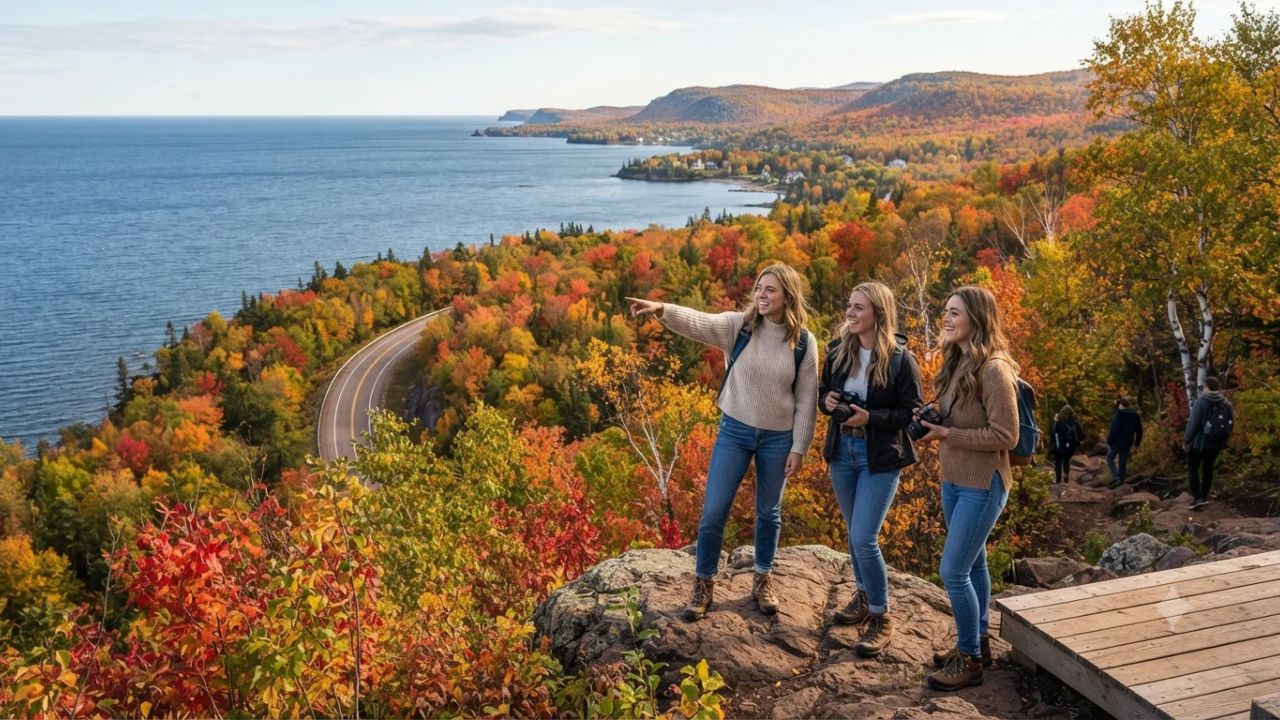
Image generated by AI
Welcoming more than 82.5 million annual visitors across its four-season travel economy, Minnesota is entering its most lucrative seasonal transition as the autumn leaf-peeping corridor activates across the Upper Midwest. Driven by compressed peak foliage windows that last roughly seven days in any single geographic pocket, the state's hospitality and recreation sectors are preparing for high-density road trips that link Minneapolis and Saint Paul gateways with northern boreal forests and dramatic freshwater shorelines.
Phenological Shifts and Climate Variables: Decoding the 2026 Foliage Progression
The economic vibrancy of autumn travel in the North Star State hinges upon delicate phenological timing. Rather than relying on calendar dates, tree canopy transformations are governed by shortening daylight hours, overnight temperature drops, and regional soil moisture levels. In a standard seasonal progression, vibrant color pigments manifest first across northern and northwestern border counties before migrating steadily south toward the blufflands flanking the Mississippi River.
For the 2026 season, environmental variables documented by the Minnesota Department of Natural Resources (DNR) introduce distinct localized patterns. Moderate to severe drought conditions affecting select interior districts have accelerated leaf senescence, prompting stressed hardwoods to turn prematurely, drop leaves early, or display subdued yellow tones rather than fiery scarlet reds. Concurrently, unseasonably warm September temperatures can delay color emergence along northern ridgelines, creating unpredictable shifts for vacationers coordinating long-distance itineraries.
To assist road-trippers navigating these weather-driven fluctuations, the state wildlife agency operates its digital Fall Color Finder map alongside a weekly foliage newsletter. This interactive platform aggregates ground observations from foresters and park staff across more than 60 state recreation hubs, enabling tourists to track canopy percentages in real time. Rather than gambling on historical averages, travelers use verified field data curated through Explore Minnesota to redirect their journeys toward regions where pigments remain at full brilliance.
North Shore Logistics and Regional Corridor Economics: From Highway 61 to State Parks
While scenic valleys cross the entire state, the premier artery for autumn travel remains Minnesota’s North Shore Scenic Byway along Highway 61. Tracing the rugged northwestern coast of Lake Superior, this corridor connects historic harbor settlements with high-cliff lookouts across Duluth, Two Harbors, Lutsen, and Grand Marais.
The migration of foliage tourists creates substantial seasonal revenue for local small-business ecosystems. Independent diners, fish smokehouses, craft breweries, and boutique lakeside motels rely on autumn patronage to extend cash flow beyond the summer peak and buffer against quiet pre-winter periods.
For cost-conscious outdoor enthusiasts, public lands provide an economical alternative to skyrocketing private lodging rates. Drive-in campsites across Minnesota state parks are priced between $20 and $35 per night depending on hookup facilities, supported by vehicle entry permits that grant unlimited access to hiking networks, roaring waterfalls, and wilderness canoe launches. Many travelers combine state park camping with day visits to federally protected reserves managed in coordination with the National Park Service.
| Travel Corridor / Region | Estimated Peak Foliage Window | Anchor Communities & State Parks | Lodging & Camping Price Range | Primary Transport & Access Corridors |
|---|---|---|---|---|
| Lake Superior North Shore | Late September to Early October | Duluth, Two Harbors, Lutsen, Grand Marais, Split Rock | $20–$35 state camping; $220–$450/night resorts | Highway 61 / North Shore Scenic Byway |
| Central Lakes & Woods | Early October to Mid-October | Brainerd, Walker, Itasca State Park, Mille Lacs | $20–$30 rustic camping; $150–$300/night lodges | Highway 371 & Highway 169 corridors |
| St. Croix & Mississippi Valleys | Mid-October to Late October | Taylors Falls, Red Wing, Winona, Great River Bluffs | $20–$35 river camping; $140–$280/night inns | Highway 61 South & Great River Road |
| Twin Cities Metro Outskirts | Mid-October | Stillwater, Excelsior, Fort Snelling, Afton | $130–$260/night urban boutique hotels | Interstate 35, Interstate 94 & county arteries |
Expert Analysis: Shoulder-Season Yield Extraction, Supply Constraints, and Micro-Climate Risks
From an aviation and tourism management standpoint, Minnesota's autumn foliage surge highlights the challenges of hyper-compressed seasonal demand operating within fixed physical infrastructure.
The pricing pressure this creates means independent lodging operators in popular destinations like Lutsen and Grand Marais implement aggressive dynamic pricing models and strict two- or three-night minimum stay policies. For travelers booking this route, the direct consequence is severe weekend rate inflation: hotel rooms that command $150 per night in mid-spring regularly double or triple during the brief October rush, while prime state park campsites are reserved up to 120 days in advance.
Navigating this compressed window requires understanding Lake Superior's massive thermal mass. The vast freshwater basin retains summer warmth well into autumn, insulating shoreline forests and creating an extended color gradient. While inland maple ridges five miles off the lake often peak in late September, birch and aspen stands hugging the shoreline frequently retain vibrant golden leaves well into October.
Savvy road-trippers should avoid fixed, single-destination bookings during volatile weather years. By maintaining itinerary flexibility, utilizing the DNR’s real-time color tracking maps, and planning midweek arrivals, visitors can bypass weekend traffic choke points along Highway 61 while securing premium foliage views without paying peak weekend lodging surcharges.
Key Takeaways
- High-Impact Travel Surge: Minnesota's 82.5 million annual visitors fuel a powerful autumn economic boost, extending seasonal commerce for regional hospitality businesses.
- Tight Foliage Windows: Peak color conditions typically persist for only about seven days per district, running generally from late September in the north through mid-October in the south.
- Weather and Drought Factors: Severe dry spells and elevated early autumn temperatures can accelerate leaf drop or delay color shifts, making real-time tracking vital.
- Accessible Public Recreation: State park drive-in campsites priced between $20 and $35 per night provide affordable lodging options across major forest corridors.
- Thermal Buffering Along Superior: Lake Superior acts as a natural climate regulator, causing coastal canopies to turn days or weeks after inland elevated ridges.
FAQ: Minnesota Fall Foliage Travel 2026
When is the best time to see peak fall foliage in Minnesota?
Peak autumn foliage generally appears between late September and mid-October. Northern regions and Lake Superior highlands turn first, with colors moving progressively southeast toward the Mississippi River blufflands over several weeks.
How do drought conditions affect Minnesota's autumn colors?
Drought stress can cause trees to turn color prematurely, drop leaves earlier than usual, or produce duller amber shades rather than intense reds and purples.
What are the top destinations for leaf-peeping along the North Shore?
Premier locations along Highway 61 include Duluth, Two Harbors, Split Rock Lighthouse, Lutsen Mountains, and Grand Marais, where Lake Superior waters meet colorful hardwood forests.
How can travelers track real-time fall color conditions in Minnesota?
Travelers can consult the Minnesota DNR Fall Color Finder online, which provides weekly updates, interactive percentage maps, and ranger reports from state parks across the region.
As crisp northern winds sweep through the canopy, Minnesota’s golden roads remind every journeyer that nature’s most magnificent spectacles are always fleeting, brilliant, and worth the drive.
Related Travel Guides
This article is for informational purposes. Flight routes, passenger regulations, visa rules, and transit advisories are subject to change by airlines and aviation authorities. Readers are advised to verify schedules and travel documentation with relevant carriers and border agencies before departure.
Related Stories

European Mass Protests Disrupt Travel Across France, Italy, Belgium, and Turkey in 2026

Israel Tourism Recovery 2026: North American Flight Restorations and New ETA-IL Entry Rules