
Military Aircraft What: Inside the C-17 Globemaster III Experience
Exclusive firsthand account reveals military aircraft what commercial aviation lacks. Flying in a C-17 Globemaster III strips away creature comforts, prioritizing utility over passenger luxury in 2026 transport operations.

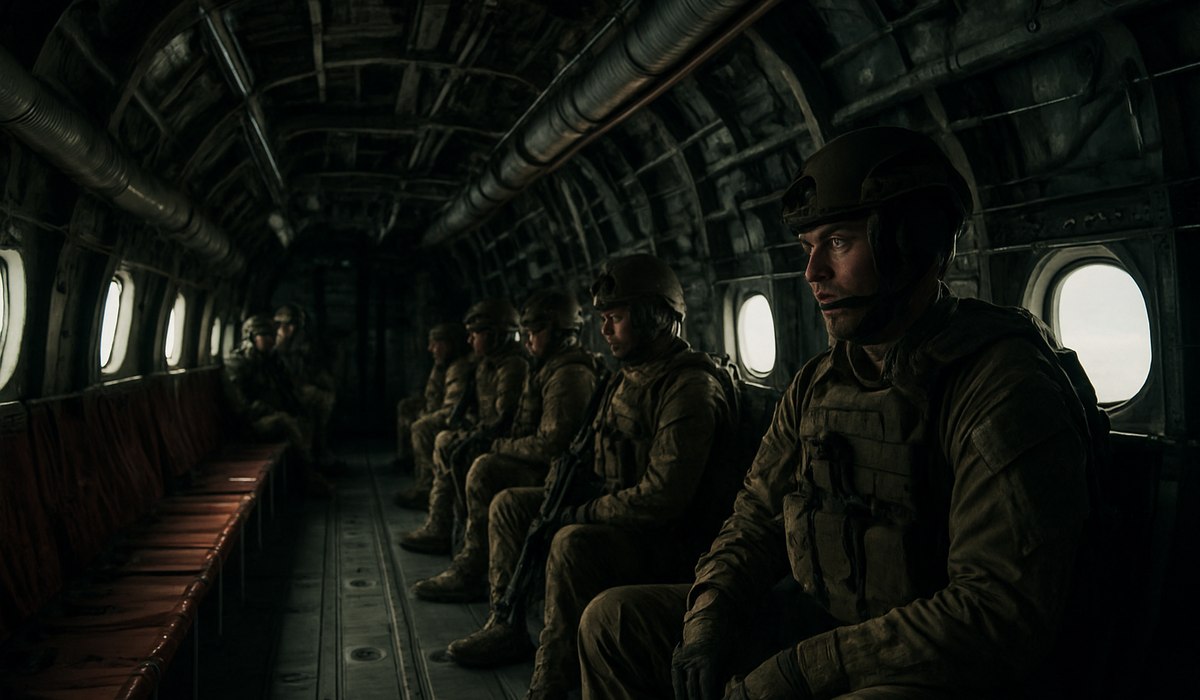
Image generated by AI
Stripping Away Commercial Comfort: What Flying in Military Transport Aircraft Actually Means
The C-17 Globemaster III represents a fundamentally different approach to air transport than commercial aviation. Unlike the finished cabins of modern airliners, military aircraft what passengers encounter is raw functionality: exposed tubing, visible wiring, and utilitarian air-conditioning systems lining overhead compartments. For travelers accustomed to commercial airlines' polished interiors, flying in military transport aircraft reveals how completely different military operations prioritize mission capability over passenger comfort. The stark contrast between these two flying experiences highlights why military aircraft what troops and personnel experience constitutes an entirely separate category of air travel in 2026.
The Cavernous Interior: What to Expect Inside a C-17
The C-17 Globemaster III's cavernous cargo hold transforms into passenger seating through temporary netting and jump seats along fuselage walls. Passengers sit facing inward on minimal cushioning, with cargo straps and tie-down points visible throughout the cabin space. The sheer scale creates an echoing environment where sound reverberates across empty metallic surfaces. Military aircraft what designers prioritize is maximum cubic footage for cargo missions, making passenger accommodation secondary. Unlike commercial aircraft with insulated walls and sound dampening, the Globemaster's interior feels industrial and expansive, stretching what seems like a football field between nose and tail. Windows are scarce and positioned exclusively for flight crew operations.
For comprehensive flight tracking and operational details, visit FlightAware to monitor military transport routes and movements.
Noise and Vibration: The Sensory Reality of Military Flight
Flying in military transport aircraft creates a sensory experience few commercial passengers encounter. The C-17's four Pratt & Whitney F117 engines generate sustained noise levels that make conversation difficult without communication headsets. Vibration from engine thrust transmits directly through the fuselage structure, affecting every surface passengers contact. Military aircraft what engineers designed for durability rather than isolation means sound insulation ranks low on design priorities. The constant roar of engines, hydraulic systems, and airflow creates an immersive acoustic environment lasting throughout flights. Earplugs become essential rather than optional accessories, fundamentally changing how travelers perceive the flying experience compared to noise-controlled commercial cabins.
Seating and Comfort Compared to Commercial Airlines
Commercial airlines provide cushioned seats with adjustable headrests, personal climate control, and spacing exceeding military specifications. Military aircraft what passengers receive instead are canvas jump seats with minimal back support, arranged in rows along cargo compartment walls. Legroom barely exceeds two feet, with feet unable to extend fully without contacting opposite seating rows. Temperature regulation depends on proximity to air vents, creating uncomfortable hot and cold zones throughout the cabin. Unlike commercial airlines' first-class lounges and premium seating options, military transport offers identical utilitarian accommodations regardless of rank or seniority. The psychological difference between reclining beds at 35,000 feet versus sitting upright on canvas becomes profoundly apparent during multi-hour transatlantic flights.
The Passenger Experience: Utility Over Luxury in Military Operations
Military aircraft what distinguishes from commercial aviation is the complete philosophy reversal regarding passenger experience. Commercial airlines generate revenue from ticket sales, justifying investment in entertainment systems, dining services, and comfort amenities. Military transport aircraft serve strategic objectives: moving personnel, equipment, and supplies to global destinations regardless of passenger comfort. The experience prioritizes mission success, weather handling capability, and cargo flexibility. Flying in military transport means accepting spartan accommodations as inherent to operational requirements. No flight attendants offer beverage service, no seatback entertainment systems provide distraction, no meal service breaks monotony. The C-17 Globemaster III represents aviation reduced to essential function, stripping away every amenity not directly supporting mission capability. Understanding this distinction helps travelers mentally prepare for the profound differences between commercial and military flying.
Reference the Federal Aviation Administration's safety standards for baseline requirements applying across all aircraft types, military and commercial.
Key Military Transport Aircraft Specifications
| Specification | C-17 Globemaster III | Commercial Boeing 777 |
|---|---|---|
| Cabin Length | 174 feet | 209 feet |
| Maximum Noise Level (dB) | 130+ | 85-90 |
| Passenger Seating (standard) | 134 jump seats | 310-396 seats |
| Cruising Altitude | 45,000 feet | 43,000 feet |
| Typical Flight Duration | 17+ hours | 15-17 hours |
| Climate Control | Zone-dependent | Individual control |
| In-Flight Amenities | Minimal | Multiple services |
What This Means for Military Personnel and Government Travelers
Numbered actionable takeaways for military aircraft passengers:
-
Bring noise protection: Pack quality earplugs or noise-canceling headsets before departure to manage sustained engine noise throughout flights lasting 10-18 hours.
-
Dress in layers: Temperature fluctuations between fuselage zones require adaptable clothing since individual climate control doesn't exist in military transport.
-
Arrive physically prepared: Jump seats offer no recline capability, making physical conditioning and flexible seating tolerance essential for comfort.
-
Prepare entertainment independently: Military aircraft what passengers won't find are in-flight systems, so download books, podcasts, or movies beforehand.
-
Manage hydration proactively: Water access during flights remains limited, requiring travelers to drink adequate fluids before boarding and during prescribed breaks.
-
Understand boarding procedures: Military transport operations follow strict security and safety protocols differing significantly from commercial airport procedures.
Contact the U.S. Department of Transportation's aviation consumer information office for additional traveler resources.
Frequently Asked Questions About Military Aircraft Transport
What military aircraft what defines the difference between transport and fighter classifications?
Transport aircraft prioritize cargo volume and payload capacity over speed or maneuverability. The C-17 Globemaster III carries up to 170,000 pounds of equipment, versus fighter aircraft optimized for speed and combat effectiveness. Military aircraft what makes transports essential involves their ability to deploy global forces rapidly across intercontinental distances with full equipment loads.
How does flying in military aircraft like the C-17 compare to commercial business class?
Military transport eliminates all premium amenities. Business class provides lie-flat seats, gourmet meals, and entertainment systems. Military aircraft what passengers experience are unpadded canvas seats facing inward walls, minimal food service, and silence except engine noise. The fundamental difference reflects military versus commercial airline philosophies regarding passenger accommodation.
Are civilian passengers ever permitted flying in military transport aircraft?
Official government employees, military personnel, and authorized civilian contractors occasionally gain access to military transport flights. Space-available programs permit some civilian travel, though military missions take absolute priority. Military aircraft what determines passenger eligibility depends on security clearances, official capacity, and available cargo space after mission requirements.
What physical preparations help travelers manage military aircraft discomfort during extended flights?
Pre-flight stretching, compression socks, and core strengthening exercises improve comfort during jump seat confinement. Arriving well-hydrated and well-rested before flights reduces fatigue compounding discomfort. Understanding that military aircraft what you'll experience involves deliberate utility design helps mental preparation more than any physical accommodation.
Related Travel Guides
- UAE Joins UK, Italy and Kyrgyzstan as Air Arabia Unleashes Massive London, Rome and Osh Expansion From Sharjah
- Fuel shock forces Asian airlines to cut flight frequencies amid Middle East crisis
- Emirates and Flydubai Issue Critical Summer Alert: Dubai Airport Mandates 3-Hour Early Arrival as Passenger Surge Hits Peak
Disclaimer
This article is for informational and educational purposes only. It does not constitute legal, financial, or professional advice. While we strive to provide accurate and up-to-date information, travel policies, regulations, and conditions change rapidly. Always verify information with official sources before making travel decisions. Nomad Lawyer makes no representations about the accuracy, reliability, completeness, or suitability of the information provided. Readers should consult qualified professionals for advice specific to their circumstances. The views expressed in this article are those of the author and do not necessarily reflect the views of Nomad Lawyer.
Preeti Gunjan
Contributor & Community Manager
A passionate traveller and community builder. Preeti helps grow the Nomad Lawyer community, fostering engagement and bringing the reader experience to life.
Learn more about our team →