
Hawaiian Airlines Pilots Beards: Alaska's New Grooming Standards 2026
Hawaiian Airlines pilots lose their decades-old cultural beard exception in April 2026 as Alaska Airlines enforces stricter grooming standards following the carrier integration.

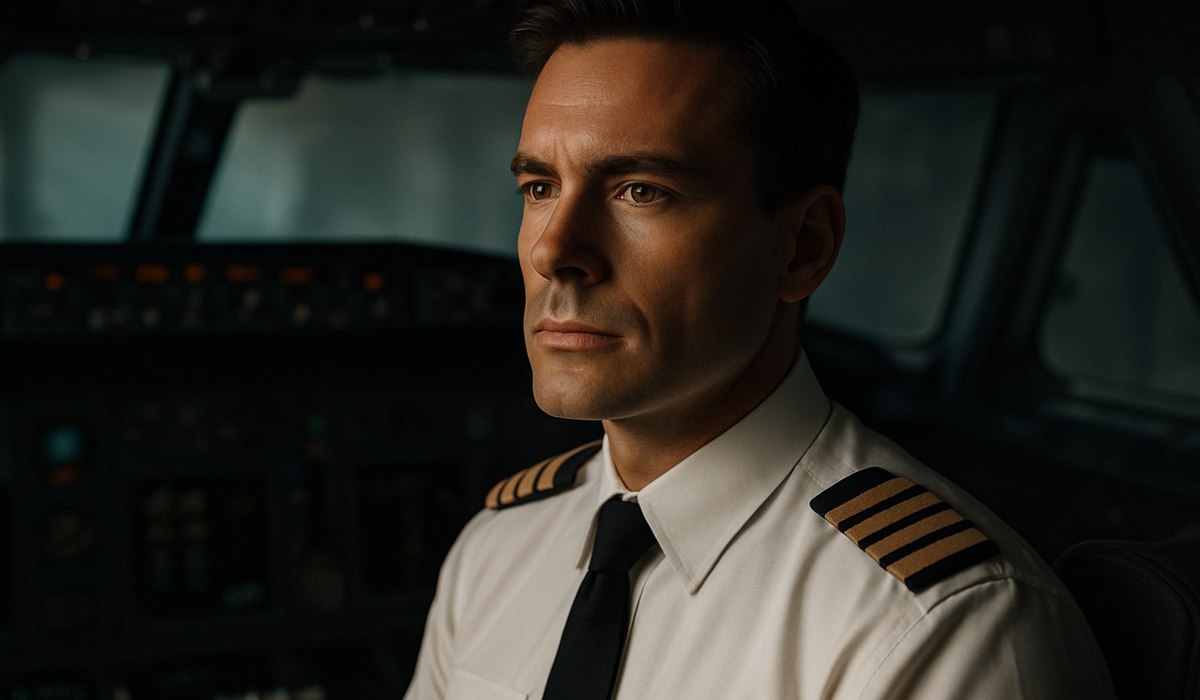
Image generated by AI
Hawaiian Airlines Pilots Face Shaving Deadline Under Alaska Merger Integration
Hawaiian Airlines pilots operating across the Pacific and domestic routes must comply with new appearance standards by April 2026 following Alaska Airlines' acquisition of the carrier. The grooming policy requires pilots to shave their beards, ending a cultural exception that Hawaiian Airlines had maintained for decades. This policy shift represents one of the most visible operational changes resulting from the merger, affecting approximately 1,200 active Hawaiian Airlines pilots system-wide. Alaska Airlines is consolidating uniform standards, safety protocols, and operational procedures across both carriers as part of the post-merger integration process.
The change marks a significant moment in Hawaiian aviation history. Hawaiian Airlines pilots beards held cultural significance tied to Hawaiian traditions and local values. However, Alaska Airlines' stricter appearance codes take precedence under the new corporate structure, standardizing all pilot appearance across the merged carrier's operations.
The Cultural Significance of Beards in Hawaiian Aviation
For generations, Hawaiian Airlines pilots maintained beards as part of their cultural identity and operational practice. The exception reflected Hawaiian values and traditions that were honored within the carrier's unique organizational culture. Many pilots had worn beards throughout their careers, viewing them as extensions of their professional identity and cultural heritage.
The beard exception wasn't merely cosmetic—it represented Hawaiian Airlines' commitment to respecting local customs while maintaining FAA safety standards. Pilots argued that the exception demonstrated how carriers could balance federal regulations with cultural sensitivity. Communities across Hawaii viewed pilot beards as symbols of the carrier's deep roots in island culture and values.
This cultural accommodation had operated without documented safety incidents, creating a precedent that beards and professional aviation operations could coexist. Industry observers noted that Hawaiian Airlines' beard policy stood in contrast to most major U.S. carriers, where clean-shaven appearance standards remained mandatory. The upcoming change will eliminate one of the last visible distinctions between Hawaiian Airlines' unique operational culture and Alaska Airlines' standardized corporate identity.
Alaska Airlines' New Uniform and Appearance Policy
Alaska Airlines is implementing comprehensive appearance standards as part of broader operational integration. The carrier's grooming code requires all pilots to maintain clean-shaven faces, alongside updated uniform specifications, color standards, and accessory guidelines. These requirements align Alaska Airlines with industry-wide practices established by competitors including Southwest Airlines, United Airlines, and American Airlines.
The policy rollout includes training materials, compliance deadlines, and enforcement mechanisms distributed to all Hawaiian Airlines pilots. Alaska Airlines emphasized that the standards apply uniformly across both carrier's operations, ensuring consistency in passenger-facing operations. Pilots received official notification in early 2026, with the April 2026 implementation date providing a transition period for compliance.
Alaska Airlines leadership positioned the standardization as part of normal integration procedures following major mergers. The carrier stated that unified appearance standards contribute to operational consistency, brand identity, and professional presentation. However, the decision generated discussion within pilot communities regarding cultural accommodation in modern corporate aviation.
You can review Alaska Airlines' official uniform policy on their pilot employment page.
FAA Regulations vs. Cultural Exceptions
Federal Aviation Administration regulations don't explicitly prohibit pilot beards, but they fall outside standard grooming requirements specified in FAA guidance documents. The agency emphasizes that carriers maintain discretion in establishing appearance standards exceeding baseline regulatory requirements. Hawaiian Airlines historically leveraged this discretion to honor cultural values while maintaining FAA compliance.
The FAA's official guidance permits carriers to establish internal appearance standards more restrictive than federal minimums. This framework allowed Hawaiian Airlines to formalize its beard exception as a legitimate accommodation within the regulatory environment. No safety violations resulted from the decades-long practice, establishing precedent that cultural exceptions could operate within FAA parameters.
Alaska Airlines' decision to eliminate the exception falls squarely within carriers' rights to modify appearance standards at their discretion. The FAA doesn't challenge such policy changes as long as enforcement occurs consistently and without discriminatory application. However, the cultural implications of standardization sparked broader conversations about preserving local identity within large corporate structures.
The U.S. Department of Transportation provides additional context on carrier policies and consumer protections through their official website.
What This Means for Pilot Identity and Workforce Morale
The grooming policy change affects Hawaiian Airlines pilots' professional identity and workplace culture. Many pilots viewed beards as integral to their self-expression and cultural representation. The transition represents a broader pattern where regional carriers' distinctive cultures become absorbed into larger corporate structures following mergers and acquisitions.
Pilot unions at Hawaiian Airlines (represented by the Air Line Pilots Association) addressed the policy with membership, acknowledging management's authority while advocating for transitional considerations. Some pilots accepted the change as inevitable given corporate consolidation, while others expressed concerns about cultural erasure. Workforce morale discussions centered on what other distinctive Hawaiian Airlines practices might face similar standardization.
The pilot community recognized that appearance standardization doesn't necessarily compromise operational safety or service quality. However, the symbolic nature of the change resonated beyond grooming policy, touching on broader questions about whether regional carrier identities survive major mergers. Hawaiian Airlines pilots will navigate the transition over coming months as April 2026 compliance deadlines approach.
Hawaiian Airlines Integration Timeline and Policy Impact
| Metric | Details |
|---|---|
| Affected Pilots | Approximately 1,200 Hawaiian Airlines pilots system-wide |
| Policy Effective Date | April 2026 |
| Compliance Deadline | April 30, 2026 |
| Routes Impacted | All Hawaiian Airlines domestic and international operations |
| Merger Completion | Alaska Airlines acquisition finalized in 2025 |
| Grooming Change | Beard exception eliminated; clean-shaven requirement implemented |
| Previous Exception Duration | Approximately 40+ years of cultural accommodation |
| Industry Comparison | Most major U.S. carriers maintain similar standards |
| Union Involvement | Air Line Pilots Association represented pilot interests |
| Safety Incidents Attributed to Beards | Zero documented incidents during previous policy |
What This Means for Travelers: Your Action Checklist
Passengers flying Hawaiian Airlines or Alaska Airlines don't face direct operational disruptions from the grooming policy, but understanding the integration helps contextualize service changes.
-
Expect uniform appearance consistency across Hawaiian and Alaska Airlines flights as integration completes—all pilots will meet Alaska Airlines' appearance standards by May 2026.
-
Monitor the FlightAware tracking system if you're concerned about service quality during integration periods; major policy changes sometimes correlate with operational adjustments.
-
Review booking policies carefully—Hawaiian Airlines flights may transition to Alaska Airlines flight numbers and booking systems; verify your reservation on Alaska Airlines' website directly.
-
Contact Alaska Airlines' customer service if you have questions about how the integration affects your specific flights or route options.
-
Document special requests (accessibility accommodations, meal preferences) separately from routine booking, as system transitions sometimes require verification.
-
Check baggage allowances on the U.S. Department of Transportation's consumer page to understand any policy changes affecting your travel.
Frequently Asked Questions About Hawaiian Airlines Pilot Beards and Alaska Integration
Q: Will the beard policy affect flight safety or operational procedures? A: No. The FAA and Hawaiian Airlines operated safely for 40+ years with the beard exception. The change is purely cosmetic and relates to corporate appearance standards rather than safety protocols.
Q: When must Hawaiian Airlines pilots be completely clean-shaven? A: All pilots must comply with Alaska Airlines' appearance standards by April 30, 2026. Full enforcement begins May 1, 2026.
Q: Can Hawaiian Airlines pilots request an exception or accommodation? A: Alaska Airlines' policy applies uniformly across all operations. The company hasn
Disclaimer
This article is for informational and educational purposes only. It does not constitute legal, financial, or professional advice. While we strive to provide accurate and up-to-date information, travel policies, regulations, and conditions change rapidly. Always verify information with official sources before making travel decisions. Nomad Lawyer makes no representations about the accuracy, reliability, completeness, or suitability of the information provided. Readers should consult qualified professionals for advice specific to their circumstances. The views expressed in this article are those of the author and do not necessarily reflect the views of Nomad Lawyer.
Raushan Kumar
Founder & Lead Developer
Full-stack developer with 11+ years of experience and a passionate traveller. Raushan built Nomad Lawyer from the ground up with a vision to create the best travel and law experience on the web.
Learn more about our team →