
Trump Proposes TSA Privatization After Security Gridlock
The Trump administration is advancing TSA privatization plans following dual government shutdowns in 2026 that left security officers unpaid and U.S. airports facing unprecedented security line delays.

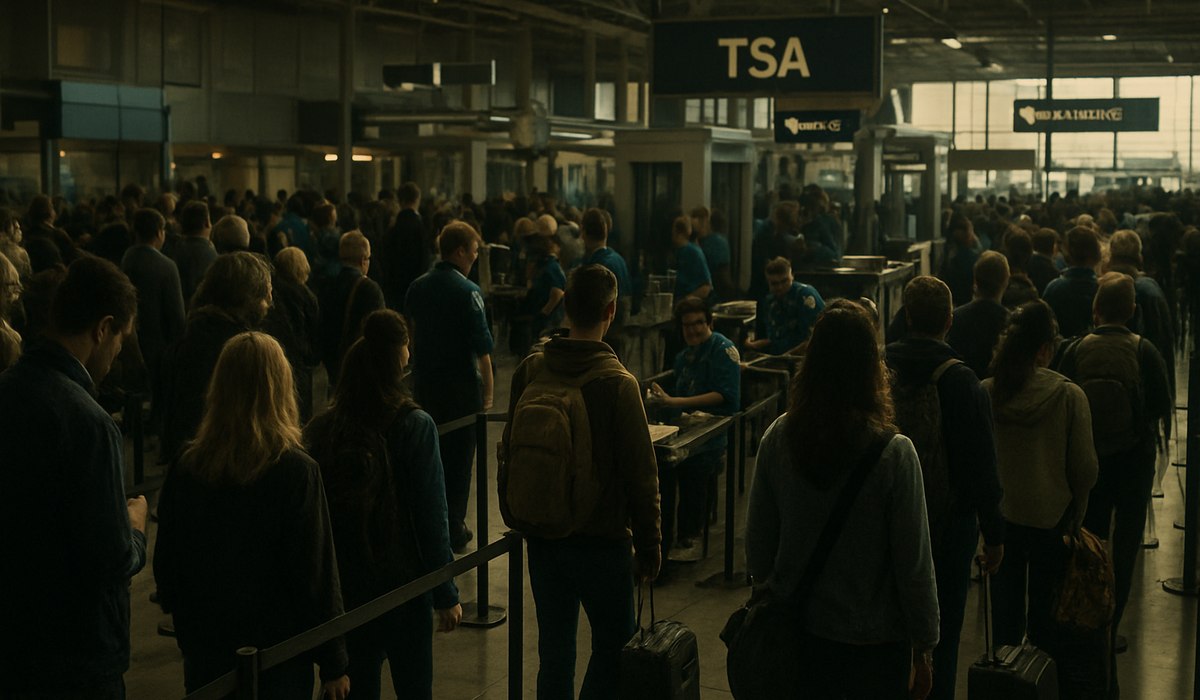
Image generated by AI
Trump Administration Targets TSA Privatization Amid Security Crisis
The Trump administration is exploring privatization of the Transportation Security Administration after two consecutive government shutdowns in 2026 left TSA officers without paychecks and major U.S. airports paralyzed by unprecedented security checkpoint delays. The proposal emerges as a direct response to operational failures during funding gaps, when TSA staffing shortages created hours-long queues at security screening areas nationwide. Aviation industry leaders and federal officials are now debating whether private-sector management could prevent future disruptions when budget crises strike.
Why Trump Proposes Privatization Is Back on the Table
The privatization discussion gained momentum following twin shutdowns that devastated airport operations across the country. During each closure period, TSA screening officers missed full paychecks, triggering widespread call-outs and security line collapses at hub airports including Atlanta, Los Angeles, and Dallas-Fort Worth.
Trump proposes privatization as a structural solution to eliminate federal dependency. Private contractors, the administration argues, could maintain operational continuity during government funding lapses by drawing on corporate reserves rather than federal appropriations. The proposal gained traction after passengers endured wait times exceeding four hours at busy terminals, missing flights and stranding thousands.
Industry consultants from aviation security firms have outlined transition models that would shift TSA functions to companies with existing airport contracts. However, labor unions representing TSA officers have mobilized against the initiative, citing security concerns and worker protection standards. Visit the FAA website for official statements on air transportation safety standards.
The Cost of Government Shutdowns on Airport Operations
Government shutdowns create cascading disruptions throughout aviation infrastructure. When TSA officers work without compensation, absenteeism spikes—reports indicate 15-20% higher call-out rates during funding gaps. This staffing shortage directly translates to extended security lines that ripple through entire airport ecosystems.
The economic impact extends beyond passenger frustration. Airlines absorb costs from delayed departures, missed connections, and reduced throughput. Cargo operations suffer as aircraft remain gridlocked. Regional airports dependent on connecting traffic experience revenue declines. The most recent shutdown cost the aviation sector an estimated $847 million in lost productivity and passenger compensation.
Beyond economics, security vulnerabilities emerge when experienced officers abandon posts. Training replacement personnel takes months. Institutional knowledge walks out the door. For comprehensive air travel policy information, consult the U.S. Department of Transportation.
Privatization Pros and Cons for Travelers
Potential Benefits: Private contractors typically maintain non-federal funding mechanisms, theoretically preventing service interruptions during shutdowns. Companies have financial incentives to minimize wait times, as passenger satisfaction directly impacts contracts and renewals. Competition among bidders could drive operational efficiency gains.
Significant Risks: Privatization historically introduces profit-margin pressures that reduce staffing levels. Security training standards might decline if contractors prioritize cost-cutting. Workers often transition from federal benefits to private-sector employment with reduced protections. Accountability mechanisms weaken when private entities replace federal agencies with direct public oversight.
Travelers should recognize that privatization doesn't eliminate shutdown risks entirely—it merely shifts them. If contracts expire during budget crises, service interruptions could still occur. Most aviation security experts warn that privatization requires careful regulatory guardrails to prevent degradation of safety standards that protect millions of daily passengers.
What Industry Experts Are Saying
Aviation security consultants express cautious skepticism about privatization benefits. The Airport Council International notes that TSA, despite federal funding vulnerabilities, maintains uniform security standards across 440+ airports—a consistency that private competition might fragment.
Security researchers emphasize that TSA officers undergo extensive vetting and training that private contractors may not replicate. Federal oversight currently ensures consistency in threat detection protocols. Private firms answer to shareholders, potentially creating conflicts between security and profitability.
Meanwhile, government efficiency advocates argue that private management could implement technology faster and adapt staffing models dynamically. They point to successful private airport operations in European and Middle Eastern hubs as evidence that privatization works internationally.
The consensus among transportation policy experts remains divided. Some favor hybrid models where private contractors handle non-security functions, preserving federal TSA authority over actual screening operations. Others recommend strengthening federal appropriations mechanisms to prevent future shutdown cascades entirely. Track real-time flight information at FlightAware for current airport conditions.
Impact on Major U.S. Airports and Airlines
| Airport Hub | 2026 Shutdown Impact | Primary Airlines Affected | Avg. Security Wait Time | Flights Delayed |
|---|---|---|---|---|
| Atlanta (ATL) | 47,000+ passengers delayed | Delta Air Lines, Southwest | 4.5 hours | 312 |
| Los Angeles (LAX) | 38,000+ passengers delayed | American Airlines, United, Southwest | 4.2 hours | 267 |
| Dallas-Fort Worth (DFW) | 32,000+ passengers delayed | American Airlines, Southwest | 3.8 hours | 198 |
| Chicago O'Hare (ORD) | 29,000+ passengers delayed | United, American, Southwest | 3.9 hours | 176 |
| New York JFK (JFK) | 25,000+ passengers delayed | Delta, American, JetBlue | 4.1 hours | 142 |
| Miami (MIA) | 22,000+ passengers delayed | American, Southwest, Spirit | 3.7 hours | 128 |
What This Means for Travelers
The privatization debate directly impacts your airport experience. Potential operational changes could affect security procedures, wait times, and passenger rights protections. Here's what you need to know:
1. Document your travel disruptions. Keep receipts, boarding passes, and time-stamped photos of security queue lengths. These records support compensation claims.
2. Subscribe to airport alerts. Major hubs now send real-time security wait notifications via mobile apps, helping you time arrivals strategically.
3. Understand your passenger rights. The DOT guarantees compensation for delays exceeding three hours on domestic flights, regardless of whether shutdowns or privatization causes them.
4. Plan extra security buffer time. Add 60-90 minutes for domestic flights at major hubs, accounting for potential staffing fluctuations during any operational transition.
5. Contact your airline immediately if you miss connections. Airlines must rebook you on the next available flight or provide meal/hotel vouchers when security delays cause missed connections.
6. File complaints with the DOT if privatization degrades service. The Transportation Department tracks grievances that influence future policy decisions.
7. Request TSA PreCheck or CLEAR enrollment. Expedited screening programs reduce dependency on standard security line capacity.
FAQ: TSA Privatization and Airport Security
What happens to TSA officers if privatization occurs? Federal employees typically receive transition assistance and job placement programs. Many may be rehired by private contractors, though at potentially different wage levels and benefits packages. Seniority protections and pension eligibility require legislative safeguards.
Would privatization eliminate future government shutdown impacts? Partially. Private contractors maintain non-federal funding, preventing immediate payment gaps. However, if contracts expire during shutdowns or appropriations disputes, service interruptions could still occur. Hybrid models minimize but don't eliminate risks entirely.
How would passenger security change under privatized TSA? Security screening protocols would remain federally regulated under law, preventing contractors from reducing standards. However, training rigor, staffing levels, and technology adoption might vary. Oversight mechanisms become critical to preventing degradation.
Will airport security wait times improve with privatization? Potentially, if profit incentives drive efficiency improvements. However, cost-cutting pressures could reduce staffing despite wait time goals. Success depends entirely on contract terms that prioritize both security
Disclaimer
This article is for informational and educational purposes only. It does not constitute legal, financial, or professional advice. While we strive to provide accurate and up-to-date information, travel policies, regulations, and conditions change rapidly. Always verify information with official sources before making travel decisions. Nomad Lawyer makes no representations about the accuracy, reliability, completeness, or suitability of the information provided. Readers should consult qualified professionals for advice specific to their circumstances. The views expressed in this article are those of the author and do not necessarily reflect the views of Nomad Lawyer.
Preeti Gunjan
Contributor & Community Manager
A passionate traveller and community builder. Preeti helps grow the Nomad Lawyer community, fostering engagement and bringing the reader experience to life.
Learn more about our team →