
Middlesbrough Lidl Road Closure Raises Tourism Access Concerns in 2026
A proposed Lidl supermarket on Middlesbrough's former Northern School of Art site threatens visitor routes in 2026. Road closure plans delay planning decision amid public outcry over tourism and local access disruption.

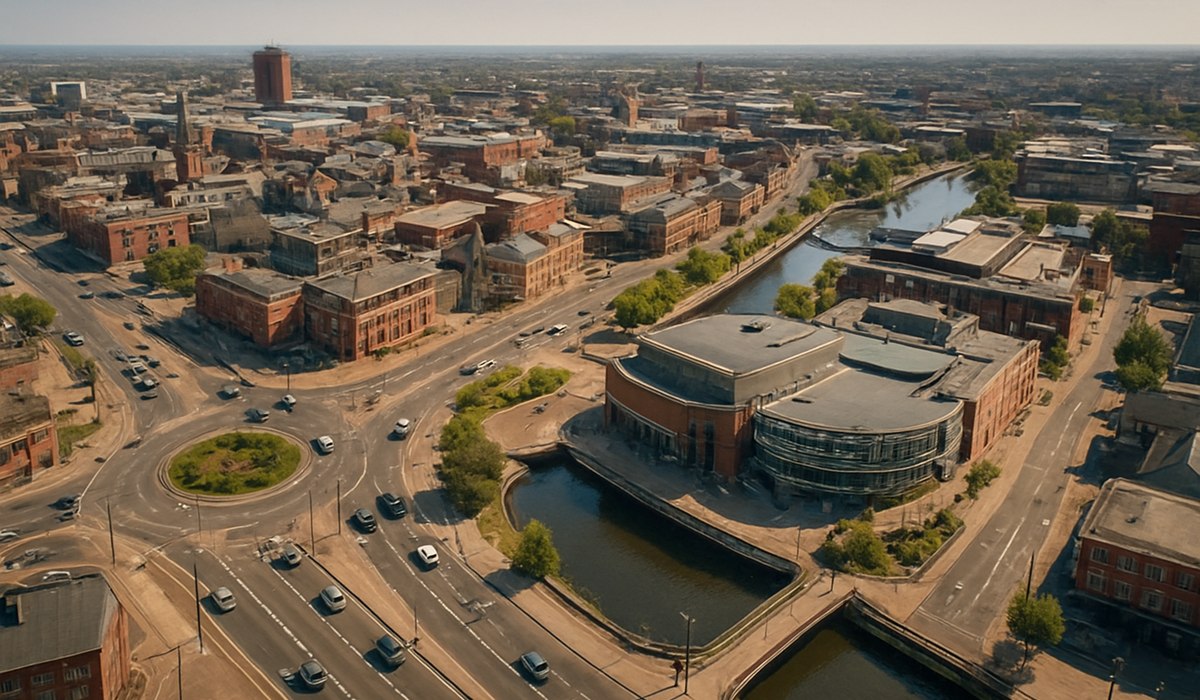
Image generated by AI
Middlesbrough Lidl Road Plan Sparks Tourism Access Dispute
A contested traffic scheme tied to a new Lidl supermarket in Middlesbrough threatens visitor routes to cultural attractions and the waterfront district. Councillors have delayed their planning decision on the proposed store, located on the former Northern School of Art site, after mounting public concern about a nearby road closure. The dispute highlights how routine retail development can collide with tourism access, affecting travelers heading to theaters, galleries, sporting events, and Tees Valley destinations. Local residents and business owners warn that closing a key link road could force more vehicles onto residential streets already under traffic pressure, compromising both daily commutes and visitor navigation through town.
Planning Delay Sparked by Road Closure Concerns
The Middlesbrough Lidl Road controversy emerged when planners proposed closing a local link as part of traffic management for the discount store development. The deferral decision came after a heavily attended planning meeting where residents expressed concerns about congestion, safety, and disruption to established travel patterns. Transport assessments commissioned by local authorities show that corridors including Cargo Fleet Lane, the A66, and Marton Road already operate near capacity during peak hours. Any reduction in network capacity risks cascading delays across the town.
Planners cited the need for additional time to review transport modeling and safety assessments. However, the delay extends uncertainty for residents, businesses, and the tourism sector about when and how long disruption might last. Alternative design options—such as revised access points or signaled junctions—have been proposed by critics seeking to avoid a full closure. Yet current proposals reportedly frame the road closure as the primary solution to separate store traffic from wider movements, forcing councillors to weigh convenience store access against network-wide congestion risks. More details are available through Middlesbrough Council's planning portal.
Tourism and Local Access Under Threat
Middlesbrough has invested significantly in repositioning itself as a gateway to Tees Valley attractions, including the iconic Transporter Bridge, the regenerated Middlehaven waterfront district, and nearby coastal and countryside destinations. Most visitor routes to these sites funnel through corridors close to the proposed Lidl location and the disputed road link. Travel patterns in modern town centers don't neatly separate resident traffic from visitor movements—day-trippers attending cultural events, football matches, or festivals often use the same residential streets and cut-throughs as local commuters.
The proposed closure threatens the seamless access that attracts visitors to Middlesbrough. Travelers navigating to the town's cultural venues, entertainment district, and waterfront attractions could face unexpected detours, longer journey times, and confusion over routing. Tourism operators and hospitality businesses relying on visitor footfall have raised concerns that network disruption could deter repeat visits or negative online reviews damaging the town's reputation as an accessible destination. The tension reflects a broader challenge: balancing new retail convenience with protecting the mobility infrastructure that supports leisure travel and economic growth.
Retail Strategy Debate Widens Beyond Traffic
The Lidl proposal has sparked wider planning debate about where new retail should be located within Middlesbrough. Recent planning documents and committee discussions highlight concerns that out-of-center, car-oriented schemes may draw shoppers away from established town center streets. This compounds the challenge of sustaining a vibrant high street while meeting demand for discount grocery options. Supporters argue the Lidl store enhances local shopping choice and accessibility for residents lacking easy access to discount retailers.
Critics contend that a new supermarket sited away from the town center, dependent on road closures to manage traffic, represents poor planning policy. They advocate for intensifying retail development within existing commercial zones, supporting revitalization efforts already underway. The debate reflects tensions common across UK towns navigating post-pandemic recovery, changing shopping habits, and the need to balance convenience with placemaking. Understanding these planning dynamics helps travelers appreciate why some towns restrict new out-of-center retail development—policies designed to keep town centers vibrant and navigable. Local Government Association guidance on retail planning offers context on these strategic decisions.
What Happens Next for the Development
The deferred planning decision means no immediate timeline exists for the Middlesbrough Lidl Road project to move forward. Planners will likely request revised transport assessments, traffic impact studies, and potentially alternative design schemes addressing road closure concerns. Council committees may invite further public consultation before reconvening to vote, extending the decision period into summer or autumn 2026. Residents and stakeholders can track progress through Middlesbrough Council's planning portal and committee meeting agendas published online.
For travelers and visitors, the key takeaway is uncertainty about road conditions and optimal routes through central Middlesbrough. Until the decision is finalized and any construction begins, primary routes remain unchanged. However, keeping aware of planning updates helps travelers anticipate potential detours or temporary restrictions. Following Middlesbrough Council's official communications ensures you receive accurate, timely information rather than relying on outdated social media posts or speculation.
Key Data: Middlesbrough Lidl Road Impact Overview
| Factor | Details | Impact Level |
|---|---|---|
| Proposed Development | Lidl supermarket, former Northern School of Art site | Planning deferred April 2026 |
| Contested Element | Local link road closure for traffic management | High—affects visitor and resident navigation |
| Current Road Capacity | A66, Cargo Fleet Lane, Marton Road near capacity | Closure risks network-wide congestion |
| Public Concern | Residential street diversion, congestion, safety | Very High—prompted large planning meeting attendance |
| Tourism Sites Affected | Transporter Bridge, Middlehaven waterfront, cultural venues | Medium—routes disrupted but not closed |
| Planning Timeline | Decision delayed; transport modeling under review | Timeline uncertain; likely summer 2026 decision |
| Alternative Options | Signaled junctions, revised access points | Under consideration by planners |
| Local Residential Streets at Risk | Walton Avenue, Kingston Avenue, surrounding roads | Increased through-traffic if closure proceeds |
What This Means for Travelers
If you're planning a visit to Middlesbrough in 2026, the Lidl Road situation requires awareness but doesn't yet demand route changes. Here's what you should know:
-
Current conditions remain stable: Road networks operate normally as of April 2026. The delayed planning decision means no immediate construction or closures are underway. Travel to Middlesbrough's cultural attractions, waterfront district, and Tees Valley destinations is unaffected.
-
Stay informed before visiting: Check Middlesbrough Council's planning portal one week before traveling to confirm no unexpected closures or lane restrictions have been implemented. Subscribe to council traffic alerts through their official website to receive real-time updates on any network disruptions.
-
Allow extra navigation time: If visiting during peak summer months when planning decisions might be finalized, add fifteen minutes to estimated journey times through central Middlesbrough. Familiarize yourself with major routes (A66, Marton Road) in advance rather than relying solely on GPS, which may not reflect temporary restrictions immediately.
-
Use the town center: Parking in Middlesbrough's town center and walking to attractions reduces vulnerability to road closures. The revitalized waterfront district, theaters, and galleries are pedestrian-friendly and offer comprehensive access from central parking.
-
Contact accommodations directly: Hotels and visitor centers possess real-time knowledge of traffic patterns and optimal routes. Staff can provide current navigation advice superior to outdated online maps.
Frequently Asked Questions
Q: When will Middlesbrough Council make a final decision on the Lidl proposal? A: The planning decision has been deferred pending additional transport assessments and safety reviews. A decision timeline hasn't been announced
Disclaimer
This article is for informational and educational purposes only. It does not constitute legal, financial, or professional advice. While we strive to provide accurate and up-to-date information, travel policies, regulations, and conditions change rapidly. Always verify information with official sources before making travel decisions. Nomad Lawyer makes no representations about the accuracy, reliability, completeness, or suitability of the information provided. Readers should consult qualified professionals for advice specific to their circumstances. The views expressed in this article are those of the author and do not necessarily reflect the views of Nomad Lawyer.
Kunal K Choudhary
Co-Founder & Contributor
A passionate traveller and tech enthusiast. Kunal contributes to the vision and growth of Nomad Lawyer, bringing fresh perspectives and driving the community forward.
Learn more about our team →