
Miami Travel Turmoil: Airport Delays Disrupt Beach Tourism in 2026
Miami International Airport grapples with 265+ delayed flights post-Easter, cascading disruptions across transcontinental routes as Miami Beach tourism demand softens in April 2026.

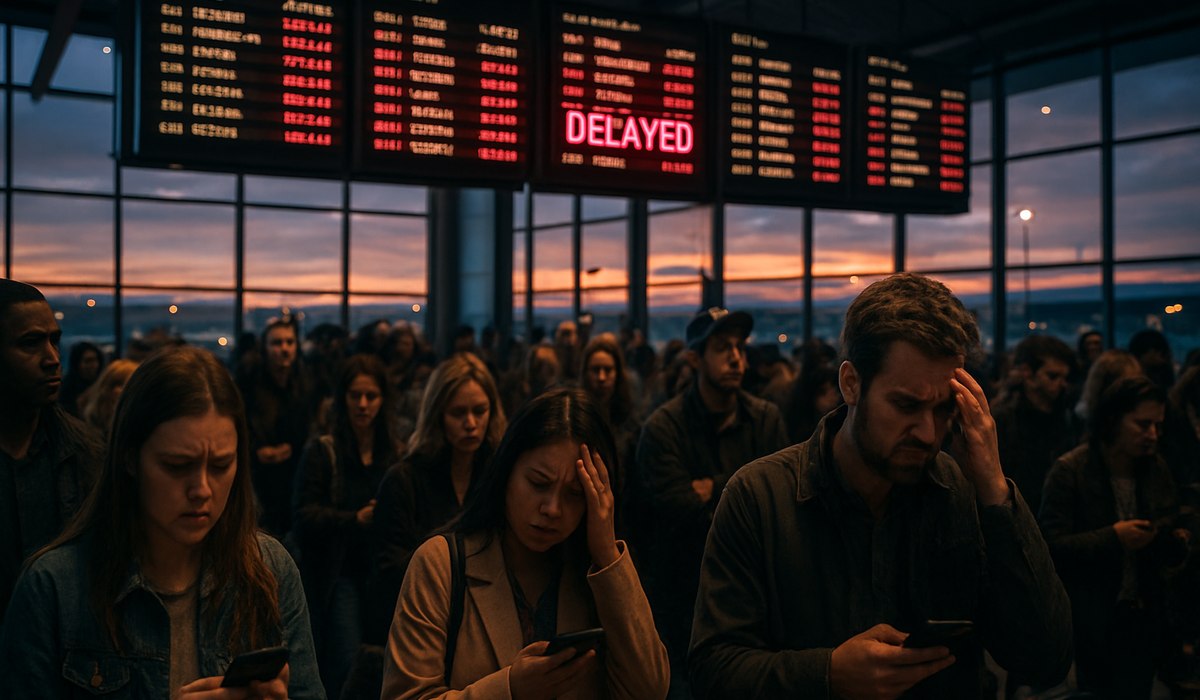
Image generated by AI
Miami Travel Turmoil: When Airport Chaos Meets Tourism Slowdown
Miami International Airport faces severe operational strain, with over 265 delayed flights recorded on a single day in early April 2026, creating cascading disruptions across transcontinental routes. The combination of post-Easter congestion, lingering weather impacts, and staffing challenges has transformed Miami's status as a global leisure gateway into a bottleneck for travelers heading to Latin America, Europe, and the Caribbean. Simultaneously, Miami Beach tourism is experiencing uneven demand, complicating the broader travel landscape for both leisure and business passengers navigating South Florida's busiest international hub.
Miami Airport Emerges as Delay Hotspot After Holiday and Weather Shocks
The Easter holiday period left a significant imprint on U.S. aviation infrastructure, and Miami International Airport has emerged as a critical failure point in the network's recovery. On April 6 alone, global aviation tracking systems registered approximately 13,000 delays worldwide, with Miami absorbing hundreds of those disruptions. What distinguishes Miami's situation is the persistence of delays even after severe weather systems moved eastward, suggesting deeper operational vulnerabilities.
The airport registered around 265 delayed services on a recent single day, with a smaller number of cancellations. While federal dashboards often display minor ground holds, ground-level accounts reveal a far more disruptive passenger experience. Check FlightAware for real-time delay tracking and FAA airport status updates to understand conditions before traveling. The confluence of weather aftereffects, partial federal staffing constraints, and operational strain has created the perfect storm for this critical hub.
The Cascading Effect: How One Hub's Disruption Spreads Across Networks
Miami's role as a connecting hub amplifies local problems into international disruptions. Airlines operate tightly choreographed schedules linking Miami to New York, Chicago, London, São Paulo, Madrid, and dozens of Caribbean destinations. When departures slip by 30 to 90 minutes, missed connections cascade across continents.
Aircraft arriving late from weather-affected Midwest and Northeast cities arrive in Florida behind schedule, leaving crews out of position and compressing turnaround times. Overnight flights to Europe and early morning departures to Central and South America suffer the most acute delays. Travelers report extended queues, rebooking challenges, and unexpected transit hotel stays. The problem intensifies when aircraft and crews become stranded on the wrong side of the ocean, extending the recovery window to several days. This domino effect means disruption originating in Miami is felt on distant routes: delayed returns to European capitals, late arrivals in South America complicating domestic connections, and frustrated passengers throughout the network.
Beyond Official Dashboards: Ground Reality for Passengers and Connections
Official airport status reports often underestimate the on-ground experience. When Miami registers "minor delays," passengers frequently encounter crowded terminals, overwhelmed customer service desks, and genuine connection risks. The gap between official metrics and traveler reality has widened significantly during this April 2026 disruption period.
Passengers report that even 20-minute official delays translate into 60-minute waits for gate pushback. Rebooking options on full flights prove limited, forcing some travelers into multi-day holds or costly alternative arrangements. International passengers connecting through Miami face particular vulnerability, as missed connections often require rebooking on flights days later. The U.S. Department of Transportation maintains consumer protections; learn about your rights at US DOT Consumer Protection. Communication from airlines has been inconsistent, leaving many passengers without real-time updates or proactive rebooking offers.
Systemic Pressures Compound Miami's Airport Challenges
Multiple converging pressures have created Miami's perfect operational storm. Staffing shortages linked to federal government funding uncertainties have reduced operational capacity at critical moments. March 2026 experienced persistent storms across the nation, and while April brought calmer weather, the recovery lag persisted. Miami's role as a major hub for Latin American and Caribbean connections means it lacks the domestic flexibility of purely North American hubs.
The softening demand picture in Miami Beach tourism adds another wrinkle. International visitor arrivals from Canada and Western Europe—historically major segments—have weakened, complicating airport recovery forecasts and airline scheduling assumptions. When demand projections prove inaccurate, operational planning becomes chaotic. Additionally, the concentration of overnight and early-morning departures at Miami creates pressure peaks that staffing and aircraft availability cannot handle efficiently.
Traveler Action Checklist
If you're navigating Miami travel disruptions, follow these essential steps:
-
Check real-time flight status on FlightAware at least 24 hours before departure and again 3 hours before your flight.
-
Review your airline's rebooking policy and document it in writing before traveling through Miami.
-
For international connections, book at least 2.5 hours between flights; accept nothing shorter.
-
Register your mobile number with your airline for automated delay and rebooking notifications.
-
Photograph boarding passes and keep airline contact information readily accessible offline.
-
If delayed 3+ hours, document the delay with your airline immediately for potential compensation claims.
-
Review US DOT passenger rights at transportation.gov before your trip.
-
Consider purchasing trip delay insurance for flights involving Miami connections.
-
Arrive at Miami International Airport 3 hours before international departures and 2.5 hours before domestic flights.
-
After returning home, file compensation claims within 60 days if you experienced significant delays.
Key Operational Data
| Metric | Data Point | Date | Source |
|---|---|---|---|
| Delayed flights (single day) | 265+ delays | April 6, 2026 | Aviation tracking systems |
| Global delays recorded | ~13,000 delays | April 6, 2026 | International aviation databases |
| Typical connection buffer needed | 2.5 hours | April 2026 | Industry best practices |
| Average delay duration | 30-90 minutes | Early April 2026 | Passenger reports |
| Recovery window extended | Multiple days | April 2026 | Network analysis |
| International tourism segments | Weakening | Q1 2026 | Regional economic reports |
What This Means for Travelers
The Miami travel turmoil of April 2026 demands immediate action from anyone planning to transit this critical gateway. First, build extra time into your itinerary—three hours for international departures and 2.5 hours for connections at Miami. Second, activate mobile alerts with your airline and monitor FlightAware obsessively in the 24 hours before travel. Third, understand that rebooking options may be severely limited on full flights; your airline bears no obligation to rebook you on competitors' flights during high-demand periods.
Fourth, document everything: screenshots of delays, boarding passes, communications with airlines, and receipts for any out-of-pocket expenses. Fifth, recognize that the softening Miami Beach tourism market may paradoxically mean fewer alternative flights available during peak periods. Sixth, consider flying into or out of alternative Florida airports like Fort Lauderdale-Hollywood International (FLL) or Tampa International (TPA) if your final destination permits. These smaller hubs currently experience shorter delays than Miami International.
Frequently Asked Questions
Q: Why is Miami specifically struggling with delays compared to other major hubs?
A: Miami's role as a hub for Latin America and Caribbean connections means it lacks domestic flexibility. Aircraft and crews stranded by delays cannot easily reposition. Additionally, the convergence of weather aftereffects, staffing constraints from federal funding uncertainties, and operational strain has created a perfect storm specific to Miami's network role.
**Q: What compensation am
Disclaimer
This article is for informational and educational purposes only. It does not constitute legal, financial, or professional advice. While we strive to provide accurate and up-to-date information, travel policies, regulations, and conditions change rapidly. Always verify information with official sources before making travel decisions. Nomad Lawyer makes no representations about the accuracy, reliability, completeness, or suitability of the information provided. Readers should consult qualified professionals for advice specific to their circumstances. The views expressed in this article are those of the author and do not necessarily reflect the views of Nomad Lawyer.
Kunal K Choudhary
Co-Founder & Contributor
A passionate traveller and tech enthusiast. Kunal contributes to the vision and growth of Nomad Lawyer, bringing fresh perspectives and driving the community forward.
Learn more about our team →