
Miami Airport Chaos: 206 Flight Disruptions Disrupt Easter Travel 2026
Miami International Airport recorded 206 flight disruptions on April 7, 2026, as post-Easter travelers collided with lingering national network congestion and spring weather impacts across Florida's busiest hub.

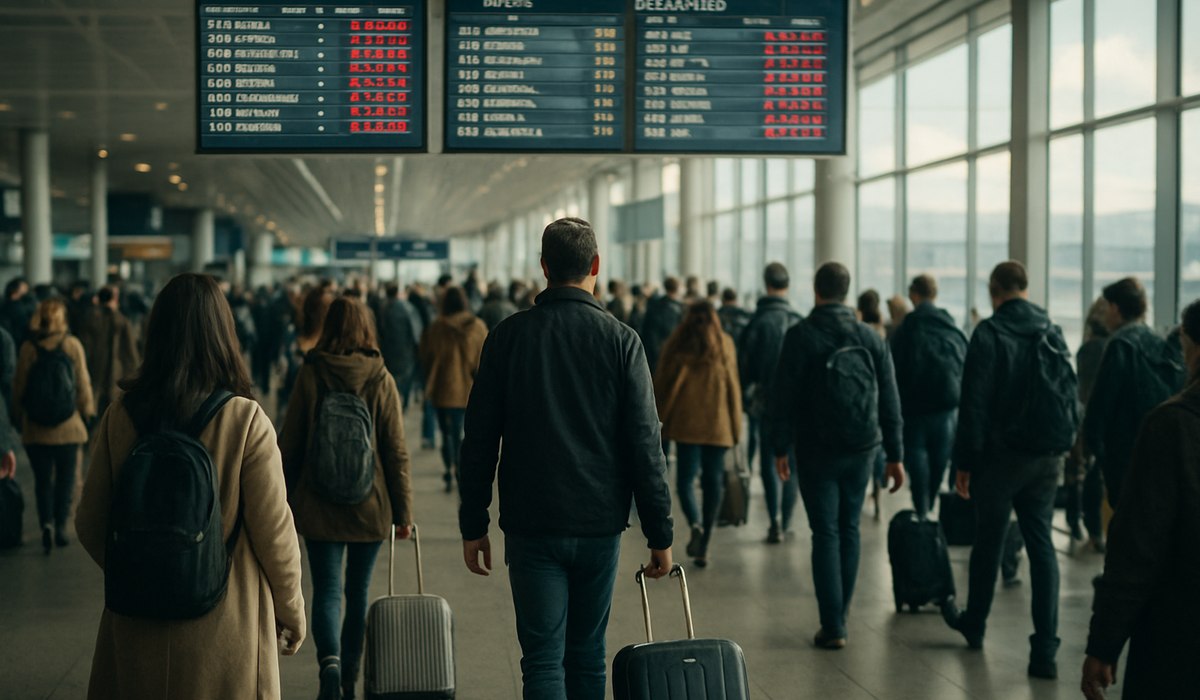
Image generated by AI
Post-Easter Gridlock Paralyzes Miami International Airport
Miami International Airport (MIA) recorded 206 flight disruptions on Monday, April 7, 2026, leaving thousands of post-Easter travelers stranded across Florida's busiest aviation hub. The disruptions—combining outright cancellations with cascading delays—struck as millions of leisure passengers returned from Caribbean and South Florida vacations, colliding with national network congestion that had persisted since Easter weekend. Severe spring weather, aircraft positioning challenges, and capacity constraints at major U.S. hubs created a perfect storm of operational dysfunction at one of North America's most critical international gateways.
Another Turbulent Day After the Holiday Rush
The Monday following Easter has historically proven treacherous for U.S. aviation operations, and 2026 reinforced that troubling pattern. Miami airport chaos intensified as the facility processed over 200 combined cancellations and delayed flights on a single day when it should have been normalizing after the holiday surge.
Tracking data from FlightAware documented that MIA experienced widespread operational strain throughout April 7. The facility served as a collision point between inbound leisure traffic from the Caribbean and outbound passengers attempting to return north. Airlines struggled to reposition crews and aircraft displaced during the Easter weekend—when national network disruptions exceeded 5,000 delays on peak travel days—while simultaneously managing contemporary passenger loads.
The timing proved particularly punishing for Miami, which functions as a crucial node in airline networks serving Latin America, the Caribbean, and domestic U.S. markets. Even as federal air traffic control authorities maintained normal operations status without formal ground stops, the residual effects of upstream disruptions cascaded through MIA's departure queues and arrival corridors. Passengers reported rolling delays, gate-level uncertainty, and short-notice itinerary modifications throughout the day.
Weather, Network Knock-Ons, and Capacity Constraints
Multiple factors converged to produce Miami airport chaos on Easter Monday 2026. Severe spring weather systems that swept across North America during the Easter period triggered extensive reroutes and ground delays at major aviation hubs including Atlanta, Dallas-Fort Worth, Chicago O'Hare, and Houston. These upstream disruptions created cascading effects throughout airline networks as aircraft and crews fell out of sync with scheduled rotations.
When major hub airports experience congestion, carriers typically prioritize high-revenue long-haul and trunk routes, leaving secondary connections and leisure markets more exposed to disruption. Miami's dual role—simultaneously serving as a long-haul international gateway and a premium leisure destination—placed it directly in the operational crosshairs of these prioritization decisions.
The airport had been operating near capacity limits throughout spring 2026. Industry data revealed robust passenger growth on Latin American routes, exceeding pre-pandemic traffic patterns. Such tight operating margins leave minimal schedule flexibility when disruptions occur. While airlines had expanded staffing and aircraft deployment over recent years, crew scheduling complexity, maintenance requirements, and persistent air traffic control staffing shortages all contributed to amplified disruption impacts.
The FAA noted that national network recovery from holiday weekend weather events typically requires 48-72 hours at major hubs. Miami, as a downstream hub receiving displaced aircraft and crews, felt these recovery delays acutely on April 7.
Impact on Latin America's Aviation Gateway
Miami airport disruptions reverberated through its most strategically important market segment: Caribbean and Latin American connectivity. The facility serves as a primary U.S. entry/exit point for travelers throughout Central America, northern South America, and the Caribbean islands. When MIA experiences operational stress, millions of connecting passengers face consequences across multiple jurisdictions.
Airlines operating extensive Miami-Latin America networks—including both legacy carriers and low-cost operators—reported significant schedule disruptions. Passengers booked on connections to São Paulo, Mexico City, Bogotá, and San Juan encountered either missed connections or extended involuntary layovers. Ground staff at Miami struggled to manage rebooking surges as carrier systems became saturated with disruption recovery requests.
The airport's role in global tourism networks magnified these disruptions. Cruise ship passengers connecting through Miami to departure ports, destination wedding attendees, and business travelers all faced cascading schedule complications. The interconnected nature of Caribbean and Latin American travel created multiplier effects throughout the region's tourism economy.
What Travelers Can Expect Moving Forward
As airlines continue recovery operations from the Easter 2026 travel surge, passengers should anticipate residual disruption effects extending through mid-April. Flight disruptions at major hubs typically require several days of normalized operations before schedule reliability fully restores. Miami, given its role in multiple airline networks, may experience slower-than-average recovery.
The U.S. Department of Transportation reports that April historically ranks among the year's most volatile aviation periods due to spring weather volatility combined with holiday travel patterns. Travelers booking flights through Miami during this window should build schedule buffers and maintain flexible expectations.
Weather remains the most significant variable affecting near-term disruption probability. Severe convection forecasts across the Southeast could trigger additional rolling delays through mid-April. Passengers should monitor FlightAware real-time tracking and airline communications for advance warning of potential disruptions affecting their specific flights.
Key Metrics: Miami Airport Chaos by the Numbers
| Metric | Value | Context |
|---|---|---|
| Total Flight Disruptions (April 7) | 206 | Includes cancellations and delays |
| Airport Status | Normal Operations | No formal ground stops issued |
| National Easter Weekend Delays | 5,000+ | Peak travel days impact |
| Cumulative Holiday Disruptions | Tens of thousands | Full Easter period total |
| Average Security Wait Times | Under 15 minutes | Peak periods significantly higher |
| Airlines Affected | Multiple carriers | MIA hub operators and connecting carriers |
| Primary Impact Zones | Caribbean and Latin America routes | Long-haul and leisure markets |
Traveler Action Checklist
If you're traveling through Miami or connecting internationally, implement these protective measures:
-
Monitor flight status obsessively. Check FlightAware every 2-3 hours starting 24 hours before departure for real-time disruption indicators and pattern trends.
-
Build connection buffers. Allow minimum 3 hours for international connections through Miami, especially on Caribbean or Latin American routes where rebooking options prove limited.
-
Request standby positioning immediately. If your inbound flight runs late, contact your airline at the arrival gate before deplaning to secure standby status on earlier departing flights.
-
Photograph your booking confirmation. Retain screenshots of original itineraries, receipts, and booking reference numbers to substantiate compensation claims if disruptions occur.
-
Understand your passenger rights. Review U.S. DOT consumer protection guidelines regarding meal vouchers, hotel accommodations, and compensation eligibility for carrier-caused delays.
-
Activate airline status benefits. Elite frequent flyer members should leverage priority rebooking and customer service access to escape disruption cascades affecting standard-tier passengers.
-
Confirm ground transportation timing. Coordinate rental car pickups, hotel check-ins, and onward travel with built-in schedule buffers exceeding typical disruption duration expectations.
-
Consider travel insurance. Flight delay and cancellation coverage reimburses incidental expenses and provides financial protection against carrier compensation limitations.
FAQ: Miami Airport Chaos & Easter Travel Disruptions
Q: Will Miami airport still experience disruptions on April 8-9?
A: While April 7 represented the acute disruption peak, residual effects typically persist through mid-week at major hubs. Expect improved but potentially unstable
Disclaimer
This article is for informational and educational purposes only. It does not constitute legal, financial, or professional advice. While we strive to provide accurate and up-to-date information, travel policies, regulations, and conditions change rapidly. Always verify information with official sources before making travel decisions. Nomad Lawyer makes no representations about the accuracy, reliability, completeness, or suitability of the information provided. Readers should consult qualified professionals for advice specific to their circumstances. The views expressed in this article are those of the author and do not necessarily reflect the views of Nomad Lawyer.
Preeti Gunjan
Contributor & Community Manager
A passionate traveller and community builder. Preeti helps grow the Nomad Lawyer community, fostering engagement and bringing the reader experience to life.
Learn more about our team →