
Middle East Travel Recovery May 2026: Emirates, Saudia, and Gulf Air Restore 50% Capacity
The Middle East is witnessing a historic aviation comeback in May 2026 as Emirates, Saudia, and Gulf Air lead the push to restore 50% capacity following a regional ceasefire and airspace reopening.

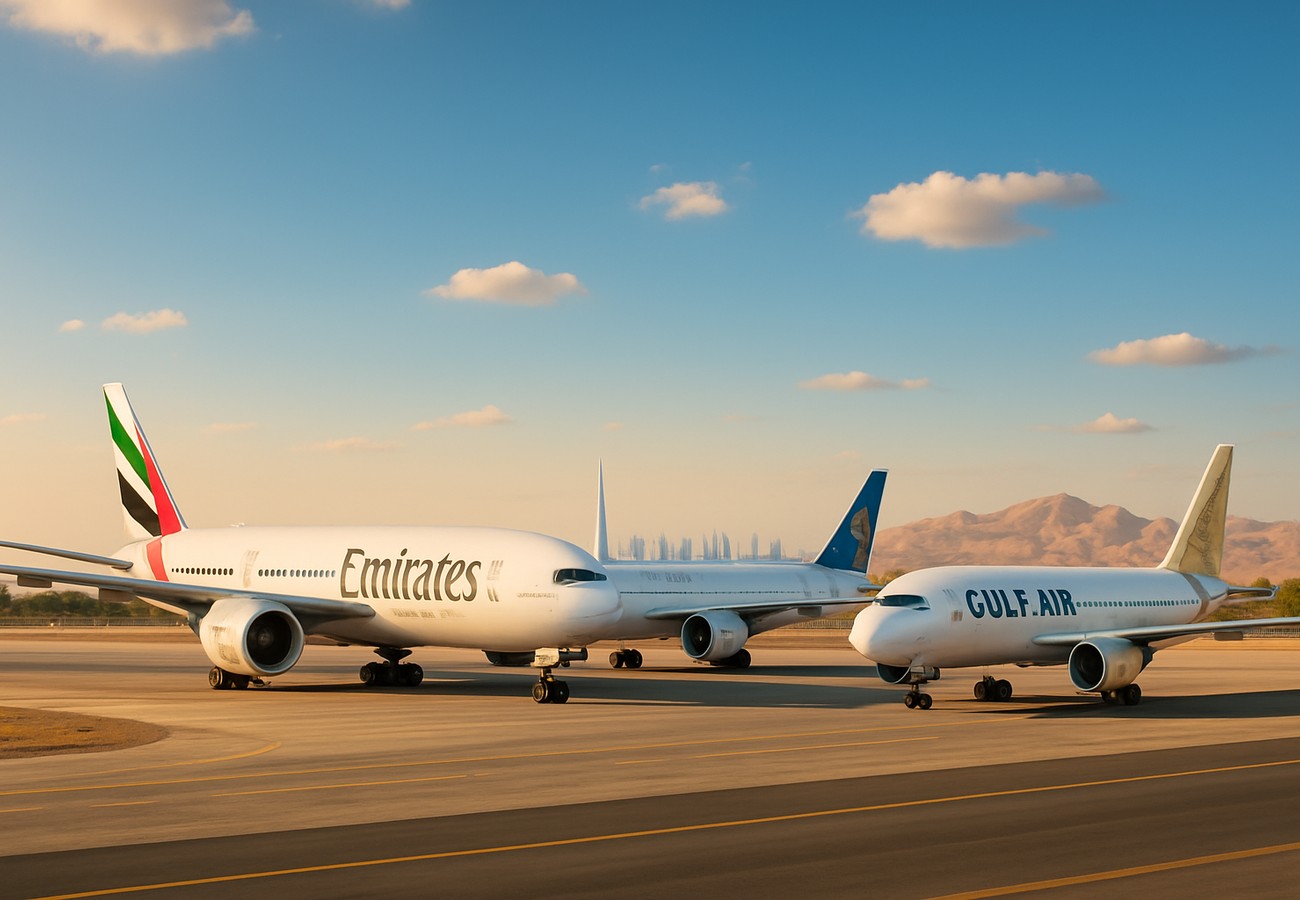
Image generated by AI
Quick Summary
- Historic Resurgence: Major Middle Eastern airlines are restoring 50% of their pre-crisis capacity in the first week of May 2026 following a successful regional ceasefire.
- UAE Leadership: Emirates has successfully restored 96% of its global network, operating to 137 destinations across 72 countries.
- Regional Surge: Saudia, Gulf Air, and Turkish Airlines have all ramped up operations to approximately 48-50% of pre-conflict levels.
- Airspace Reopening: The recovery is fueled by the full reopening of regional airspace, providing a vital economic lifeline to tourism hubs like Dubai, Istanbul, and Riyadh.
The Middle East aviation sector is staging a bold and rapid recovery in May 2026, marking a pivotal turning point for the global travel industry. Following a period of severe disruption and airspace closures, a historic "Comeback Coalition" led by the United Arab Emirates, Saudi Arabia, Egypt, Turkey, and Bahrain has successfully restored nearly half of the region's flight capacity in a single week. Key carriers including Emirates, Saudia, Gulf Air, and Etihad Airways are spearheading this revival, leveraging reopened flight corridors to reconnect Asia, Europe, and Africa. This resurgence is not merely about restoring flight frequencies; it is a strategic repositioning of the Middle East as the world's central transit hub. As Dubai International Airport (DXB) and Istanbul Airport return to peak operational status, the regional travel industry is providing a crucial economic boost, signaling the return of international traveler confidence in the wake of the recent ceasefire.
Middle East Aviation Recovery May 2026: Capacity and Strategic Metrics
The following table details the recovery efforts and capacity milestones achieved by major national carriers in the first week of May 2026.
| Country | Key Airline(s) | Capacity Recovery (May 2026) | Primary Strategy |
|---|---|---|---|
| UAE | Emirates, Flydubai | 96% of Global Network | Reopening 137 destinations; DXB movement surge |
| Saudi Arabia | Saudia | 50% | Expanding international routes & religious tourism |
| Turkey | Turkish Airlines | 50% | Reinstating Europe-Asia transit hub operations |
| Bahrain | Gulf Air | 48% | Fast-tracking regional & long-haul connectivity |
| Egypt | EgyptAir | 45% | Increasing international flights by 45% YoY |
| Oman | Oman Air | 50% | Sustainable growth & eco-tourism incentives |
| Iraq | Iraqi Airways | 40% | Rebuilding critical routes to Europe & Middle East |
UAE and Saudi Arabia: Leading the 50% Capacity Surge
The two largest economies in the Gulf are anchoring the regional recovery:
- Emirates’ Dominance: Despite the recent crisis, Emirates maintained a resilient operation, carrying 4.7 million passengers even during reduced schedules. By early May, it has returned to 72 countries.
- Saudia’s Vision: In alignment with Vision 2030, Saudia has prioritized the restoration of Hajj and Umrah routes, positioning the Kingdom as a top-tier destination for both religious and heritage tourism.
- Etihad Airways: The Abu Dhabi-based carrier has restored its operations to 50% of pre-crisis levels, focusing on high-value European and North American corridors.
Egypt and Turkey: Restoring Connectivity Between Europe and Asia
Nations serving as geographical bridges are seeing a rapid influx of transit traffic:
- Istanbul Hub: Turkish Airlines has rapidly reinstated 50% of its operations, utilizing the strategic location of Istanbul Airport to funnel traffic between the West and the East.
- EgyptAir Growth: In the first week of May, EgyptAir increased its operations by 45%, focusing on major hubs in Cairo to boost its vital tourism sector.
- Transit Demand: Both nations are reporting a surge in demand for connecting flights, as travelers opt for established regional hubs over direct long-haul alternatives.
Gulf Regional Hubs: Bahrain and Oman’s Strategic Route Expansion
Smaller Gulf states are utilizing flexible travel policies to accelerate their rebound:
- Gulf Air’s Speed: Bahrain’s national carrier has achieved a 48% recovery rate, focusing on rebuilding its regional network to support the Kingdom's role as a finance and tourism hub.
- Oman’s Resilience: Oman Air has restored half of its routes, with a specific focus on sustainable and eco-friendly travel initiatives to attract "responsible" international travelers.
- Incentive Programs: Both Oman and Bahrain have introduced new tourism incentives and streamlined visa processes to encourage the return of international visitors.
Rebuilding Airspace: Iraq’s Gradual Return to Global Aviation
Iraq is witnessing a critical moment in its infrastructure redevelopment:
- Iraqi Airways Update: The national carrier has increased capacity by 40%, reinstating critical routes to Europe and neighboring Middle Eastern capitals.
- Heritage Tourism: The gradual return of international flights is seen as a key driver for the reconstruction of Iraq's tourism and hospitality sectors, particularly around its ancient historical sites.
- Security Confidence: The resumption of flights indicates growing international confidence in the regional ceasefire and the safety of Iraqi airspace.
Airline Recovery Strategies: Flydubai, Etihad, and Turkish Airlines
Airlines are using diverse models to stimulate demand:
- Low-Cost Expansion: Flydubai is targeting regional and Asian markets with flexible, low-cost structures to attract budget-conscious leisure and business travelers.
- Luxury Restoration: Etihad is focusing on premium services and high-frequency routes to North America to capture the high-yield corporate segment.
- Network Resilience: Turkish Airlines is leveraging its massive fleet to ensure that no major global destination remains disconnected from the Middle East hub.
FAQ: Middle East Travel Recovery May 2026
Which airlines are leading the recovery in May 2026? Emirates, Saudia, Gulf Air, Turkish Airlines, and EgyptAir are the primary carriers leading the push to restore 50% capacity.
Is Middle East airspace fully reopened? Yes, as of the first week of May 2026, regional airspace has been fully reopened following the implementation of a ceasefire.
What percentage of its network has Emirates restored? Emirates has successfully restored 96% of its global network, operating to 137 destinations across 72 countries.
Related Travel Guides
Disclaimer
This article is for informational and educational purposes only. It does not constitute legal, financial, or professional advice. While we strive to provide accurate and up-to-date information, travel policies, regulations, and conditions change rapidly. Always verify information with official sources before making travel decisions. Nomad Lawyer makes no representations about the accuracy, reliability, completeness, or suitability of the information provided. Readers should consult qualified professionals for advice specific to their circumstances. The views expressed in this article are those of the author and do not necessarily reflect the views of Nomad Lawyer.
Kunal K Choudhary
Co-Founder & Contributor
A passionate traveller and tech enthusiast. Kunal contributes to the vision and growth of Nomad Lawyer, bringing fresh perspectives and driving the community forward.
Learn more about our team →