
Middle East Airspace Crisis Disrupts Global Summer Travel in 2026
Missile strikes trigger sweeping middle east airspace closures across UAE, Qatar, and Iraq, forcing Emirates, Lufthansa, and global carriers to reroute flights. Summer travel season faces unprecedented delays and cost increases.

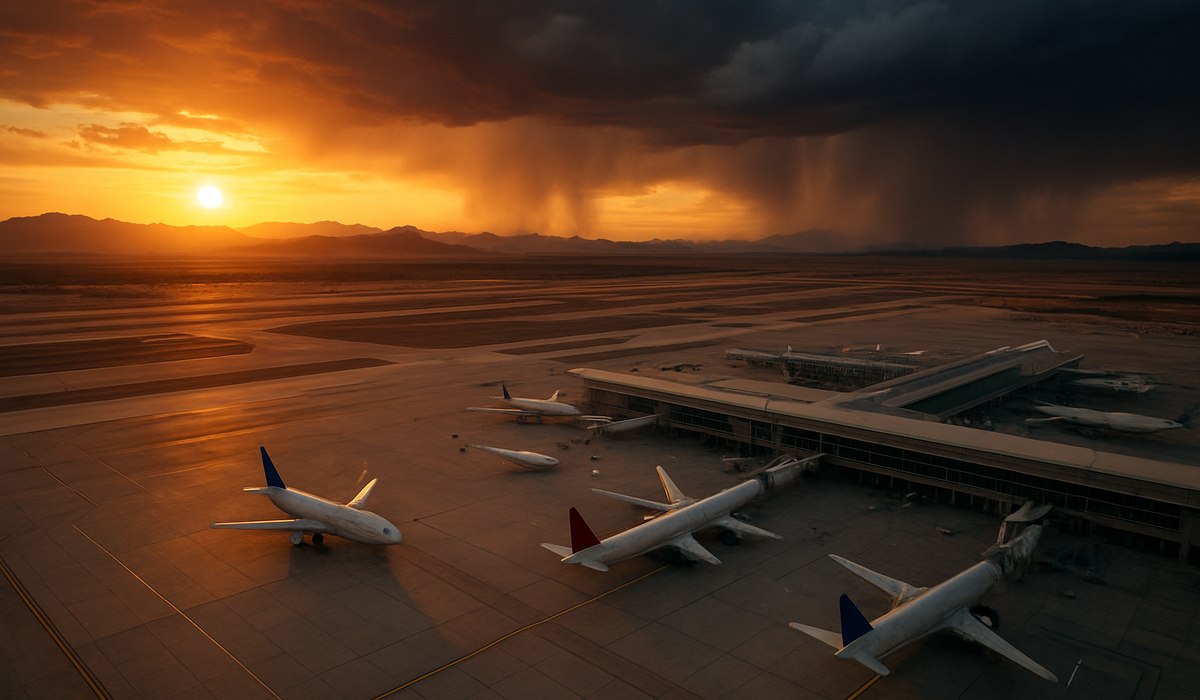
Image generated by AI
Missile Strikes Trigger Unprecedented Middle East Airspace Closures Across Global Routes
Sweeping airspace restrictions across the Middle East are reshaping global aviation networks as of April 2026. Since late February, escalating military tensions have prompted authorities to close or severely restrict airspace over the United Arab Emirates, Iran, Iraq, Qatar, Israel, Bahrain, and surrounding Gulf regions. Major international carriers including Emirates, Lufthansa, Air France, and British Airways are forced to abandon traditional routes, divert flights hundreds of miles north and south, and absorb massive operational cost increases. The disruption arrives precisely when summer travel demand peaks, stranding tourists at key hubs and forcing airlines to cancel or reschedule services to more than 150 global destinations. The European Union Aviation Safety Agency extended its conflict zone advisory on April 9, 2026, underscoring aviation authorities' serious assessment of ongoing risks to commercial flight corridors.
Major Hubs Grind to Halt: Dubai, Doha and Abu Dhabi Face Unprecedented Disruption
Dubai International Airport, one of the world's busiest intercontinental hubs, has experienced repeated partial and full closures since late February. The airport typically processes over 190,000 annual passenger movements, yet current operations run at a fraction of normal capacity. Emirates, the flagship carrier and primary operator at Dubai, has progressively reduced schedules to more than 100 destinations while maintaining only essential services to critical markets.
Doha's Hamad International Airport and Abu Dhabi International similarly face congestion and schedule volatility. Airlines are bottlenecking at these remaining operational hubs, creating delays that cascade across transatlantic and trans-Asian networks. Tourism operators report sharp declines in advance bookings for mid-April through May travel windows, with luxury resorts implementing pandemic-era strategies: promotional discounting and regional staycation campaigns targeting domestic Gulf residents rather than international visitors.
Flight-tracking data reveals that normally dense traffic corridors over the Persian Gulf have contracted to minimal volumes. Saudi airspace, one of the few stable east-west passages, now channels unprecedented rerouted traffic, creating new bottlenecks of its own. For travelers, this means longer flight times, higher ticket prices, and significant uncertainty around arrival schedules.
Which Airlines Are Most Affected and What Are They Doing?
Emirates operates the most extensive network disruption, with services to over 100 destinations suspended or curtailed. The carrier offers rebooking and refund options for passengers scheduled to travel between February 28 and mid-May 2026. Public statements confirm progressive restoration of routes as specific flight corridors reopen, yet the airline continues warning of last-minute schedule and routing changes.
Lufthansa Group has suspended flights to Tel Aviv through early April and halted services to Dubai, Abu Dhabi, Amman, Erbil, and Beirut until at least late March. The airline avoids Iranian and Iraqi airspace entirely and has scaled back night operations to Israel. Alternative routing means Lufthansa passengers experience delays of 4–8 additional hours on Europe-to-Asia journeys.
Air France, British Airways, and KLM similarly redirect traffic away from affected hubs, adding capacity on alternative European-to-North America and European-to-Asian routes. However, longer flight paths increase fuel consumption, pushing fares higher across the industry. For nomadic professionals and leisure travelers, booking flexibility and travel insurance coverage are now essential. Review your airline's rebooking policies and confirm routing before departure, as published schedules may shift with minimal notice.
Rerouting Reality: How Longer Flight Paths Impact Costs and Schedules
Airlines rerouting traffic away from the Middle East face compounding cost pressures. Longer flight paths demand increased fuel consumption, and most carriers have activated fuel surcharges to offset expenses. A typical Europe-to-Singapore journey normally routed through Dubai now requires detours north through Turkey or south via the Indian Ocean, adding 3–5 flight hours and consuming 15–20% more fuel.
Overflight fees charged by countries whose airspace rerouted flights now cross have surged. Airlines report paying premium rates to transit Saudi, Turkish, and European airspace at concentrated densities. These additional operational costs translate directly to passenger fares, with summer 2026 ticket prices for affected routes rising 12–18% above normal seasonal premiums.
Schedule compression worsens the situation. Aircraft and crew become misaligned when flights arrive late or must divert to alternate airports. This reduces the number of rotations each aircraft can complete daily, limiting available seats and driving up per-passenger costs. Airlines are reducing weekly frequencies on secondary routes to maintain core services on primary markets, meaning fewer departure options for travelers and longer wait times for rebooking on cancelled flights.
The cumulative effect: summer 2026 travel through or connecting at Middle Eastern hubs costs substantially more, takes measurably longer, and offers fewer scheduling options than historical norms. Passengers should anticipate 15–25% higher fares for affected routes and add 4–8 hours to planned journey times.
Travel Advisory: What Nomadic Professionals Need to Know
Digital nomads and remote workers planning Middle Eastern travel face elevated uncertainty. Dubai and Doha remain popular visa-friendly bases for extended stays, yet airspace disruptions complicate both arrival and onward travel logistics.
Actionable recommendations for nomadic professionals:
Avoid booking tight connections through Dubai, Doha, or Abu Dhabi during April–May 2026. Build in minimum 6-hour layovers if transiting these hubs. Request direct routing through European or Asian gateways when feasible. Purchase comprehensive travel insurance with trip delay and cancellation coverage, explicitly confirming protection against airline schedule changes. Maintain flexibility on departure dates; mid-week flights often experience fewer cascading delays than weekend services. Monitor airline schedules daily during the 30 days before travel, as rerouting announcements shift frequently. Keep emergency contact information for your airline and accommodation provider readily accessible.
Digital nomads previously relying on UAE freelance visas should explore temporary relocations to less-disrupted hubs—Singapore, Bangkok, or European bases—until Middle East airspace stability improves in June or later. Remote work locations with redundant internet connectivity and stable power supply become critical when travel delays extend 24+ hours.
| Metric | Normal Operations (2025) | Current Status (April 2026) | Estimated Impact on Travelers |
|---|---|---|---|
| Dubai Airport Daily Capacity | ~1,900 flights | ~800 flights | 58% reduction in available seats |
| Average Europe-Asia Flight Duration | 14–15 hours | 18–22 hours | +4–8 hours additional travel time |
| Emirates Destination Network | 285 destinations | ~185 destinations (reduced) | 35% fewer route options |
| Lufthansa Group Routes via Middle East | 95 routes | ~25 routes | 74% service suspension |
| Transatlantic-to-Asia Ticket Premium | 0% (baseline) | +12–18% | Higher fares across affected corridors |
| Overflight Fees per Transiting Flight | $4,500–$6,500 | $7,200–$9,800 | 45–55% fee increase |
| Typical Rebooking Wait Time | 1–2 days | 5–10 days | Longer cancellation delays |
What This Means for Travelers: Five Essential Actions
-
Confirm Your Routing: Before booking, contact your airline directly to confirm your specific flight path does not cross affected Middle Eastern airspace. Published itineraries may omit routing details; obtaining confirmation prevents mid-journey surprises and last-minute diversions.
-
**Purchase
Disclaimer
This article is for informational and educational purposes only. It does not constitute legal, financial, or professional advice. While we strive to provide accurate and up-to-date information, travel policies, regulations, and conditions change rapidly. Always verify information with official sources before making travel decisions. Nomad Lawyer makes no representations about the accuracy, reliability, completeness, or suitability of the information provided. Readers should consult qualified professionals for advice specific to their circumstances. The views expressed in this article are those of the author and do not necessarily reflect the views of Nomad Lawyer.
Kunal K Choudhary
Co-Founder & Contributor
A passionate traveller and tech enthusiast. Kunal contributes to the vision and growth of Nomad Lawyer, bringing fresh perspectives and driving the community forward.
Learn more about our team →