
Middle East Travel Advisory 2026: Qatar, UAE, and Saudi Arabia Security Guidance for International Travellers
Canada updates travel advisories for Qatar, the UAE, and Saudi Arabia, advising against non-essential travel amid regional drone, missile, and transit risks.

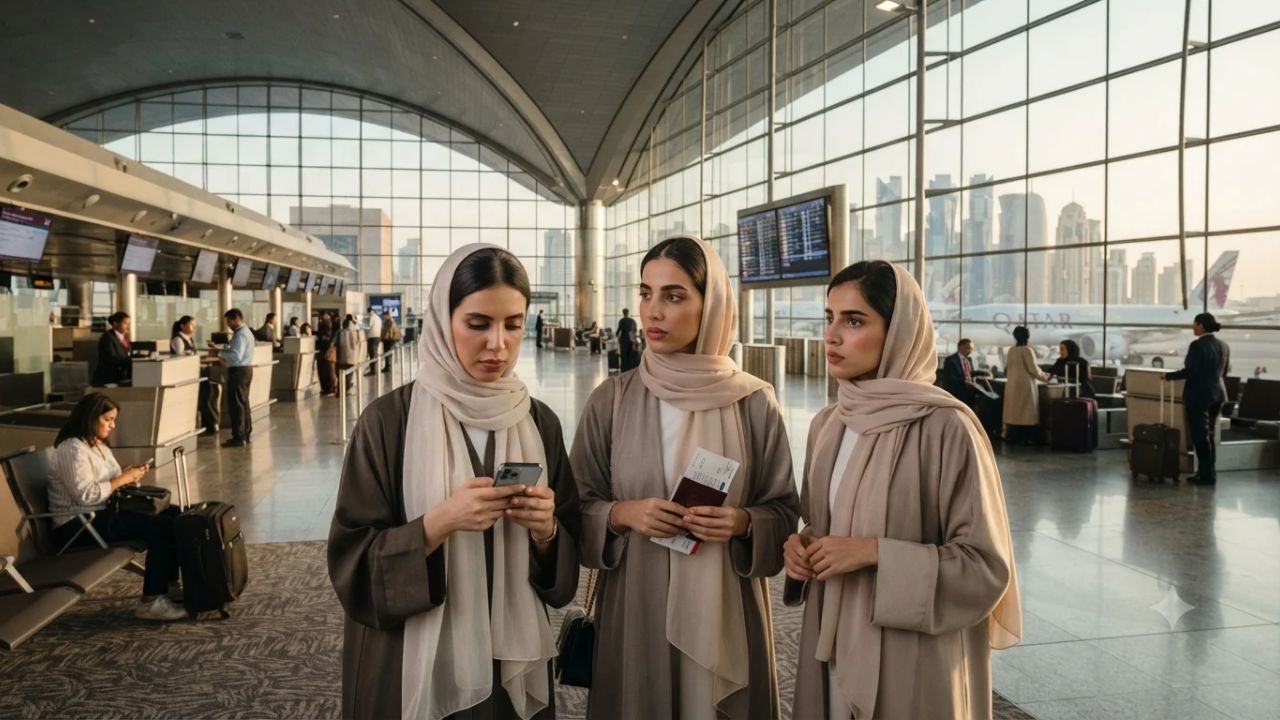
While the Gulf states process hundreds of millions of transit passengers annually through world-leading aviation hubs, new high-level security advisories urge international travellers to avoid non-essential travel across Qatar, the United Arab Emirates, and Saudi Arabia. Escalating regional military operations, missile interceptions, and drone activities have triggered heightened emergency protocols from international foreign ministries. Official updates published by Travel Canada highlight that unexpected airspace closures, transportation diversions, and falling military debris now present tangible operational challenges for tourists and transit passengers across the Arabian Peninsula.
For international passengers holding bookings through Doha, Dubai, Abu Dhabi, or Riyadh, understanding individual country risk profiles, visa validity rules, and embassy emergency channels is essential before departing.
Escalating Regional Security Alerts Across the Gulf Corridor
The updated advisory framework reflects an evolving security environment across the Arabian Peninsula. Military tensions and cross-border aerial engagements have expanded beyond localized combat zones, creating indirect risks for civilian transit corridors, energy infrastructure, and commercial aviation nodes.
Foreign governments caution that missile and drone threats have targeted municipal infrastructure, commercial airports, and strategic facilities across the region. While national air defense systems maintain active interception umbrellas over major urban centres, the threat of falling shrapnel and sudden airspace restrictions creates acute logistical uncertainties for international aviation routes.
| Destination | Official Advisory Level | Primary Threat Factors | Geographic Red Zones | Key Entry & Visa Rules for Canadian Travellers |
|---|---|---|---|---|
| Qatar | Avoid non-essential travel | Missile and drone activity, terrorism risks in public spaces | Doha transit facilities, public gathering areas | Visa-free entry for tourism/business; 6-month passport validity required |
| United Arab Emirates | Avoid non-essential travel | Drone and missile threats, falling debris, transport disruption | Major airport perimeters, commercial infrastructure | Visa on arrival (90 days within 180-day window); 6-month passport validity |
| Saudi Arabia | Avoid non-essential travel (Severe regional bans) | Drone strikes, border conflict, missile debris | Asir, Jazan, Najran provinces; within 30 km of Yemen border | Tourist e-Visa / visa on arrival; 6-month passport validity required |
Governments advise travellers currently situated within the region to maintain high situational awareness, register with national consular monitoring systems, and avoid relying entirely on government evacuation flights during sudden transport suspensions.
Country-Specific Security Analysis: Qatar, UAE, and Saudi Arabia
Understanding the distinct risk boundaries and localized conditions in each country helps travellers evaluate essential travel needs:
Qatar: Aviation Transit and Urban Precautions
As a central global aviation crossroads, Qatar connects thousands of international flights daily through Hamad International Airport. However, advisory notices emphasize that regional drone and missile activity creates persistent risks of flight cancellations, rerouting, and ground delays. In addition, international advisories note ongoing risks of indiscriminate attacks against hotels, restaurants, transport networks, and sites frequented by foreign nationals. Visitors holding verified arrangements through Visit Qatar must ensure passport validity extends at least six months past their intended departure date. While Canadian tourists do not require pre-arranged visas for short stays, they are advised to monitor official state alerts and prepare emergency shelter-in-place plans.
United Arab Emirates: Urban Air Defense and Shrapnel Awareness
Covering business and tourism centres in Dubai and Abu Dhabi, the UAE advisory urges travellers to avoid non-essential trips. Drone and missile activity targeting strategic assets has highlighted the secondary danger of falling debris resulting from airborne interceptions. Canada's consular guidance reminds visitors that attacks on transportation hubs or hospitality venues could occur with minimal warning. Canadian passport holders entering the United Arab Emirates receive a 90-day visa on arrival valid within a 180-day period, provided their passport holds at least six months of remaining validity from the date of entry.
Saudi Arabia: Southern Border Exclusions and Regional Warnings
While Saudi Arabia continues to promote cultural heritage tourism across regions like AlUla and Riyadh via the Saudi Tourism Authority, strict regional exclusions remain in effect. Foreign advisories issue a total ban on all travel to the southern provinces of Asir, Jazan, and Najran, citing active drone strikes, artillery exchanges, and missile debris. A strict exclusion zone is maintained across all areas within 30 kilometres of the border with Yemen. Canadian visitors eligible for online tourist e-visas or visas on arrival must avoid these southern territories entirely and maintain comprehensive independent contingency arrangements.
| Regulatory Domain | Qatar Regulations | UAE Regulations | Saudi Arabia Regulations |
|---|---|---|---|
| Consular Support Channel | Global Affairs Canada EWRC / Embassy in Doha | Global Affairs Canada EWRC / Embassy in Abu Dhabi | Global Affairs Canada EWRC / Embassy in Riyadh |
| Emergency Registry | Registration of Canadians Abroad (ROCA) | Registration of Canadians Abroad (ROCA) | Registration of Canadians Abroad (ROCA) |
| Restricted Internal Zones | Standard urban precautions | Commercial and energy facility perimeters | Asir, Jazan, Najran; 30 km Yemen border corridor |
| Passport Validity Standard | Minimum 6 months beyond departure date | Minimum 6 months from arrival date | Minimum 6 months from arrival date |
Visitor Insider Tips
- Register on National Consular Portals: Before boarding any flight touching the Gulf, sign up for the Registration of Canadians Abroad (ROCA) or your home nation's equivalent crisis registration database to receive automated real-time SMS and email security warnings.
- Keep Independent Emergency Funds and Documents: Secure digital and physical copies of passports, transit visas, travel insurance policies, and prescription medications. Maintain liquid credit lines to cover emergency commercial rebooking, as foreign embassies do not guarantee chartered repatriation flights during sudden commercial airspace closures.
- Download Regional Alert and Transit Apps: In Qatar and the UAE, keep official interior ministry notification apps active on your mobile devices to receive real-time civil defense instructions and local traffic diversions.
- Avoid Restricted Infrastructure Zones: Never photograph military installations, government ministry complexes, energy facilities, or port infrastructure in the Gulf, as local security laws impose severe penalties for capturing sensitive administrative sites.
Cultural and Environmental Context
The current travel advisories intersect with an ambitious era of economic diversification across the Gulf Cooperation Council (GCC) nations. Countries like Saudi Arabia, the UAE, and Qatar have invested hundreds of billions of dollars into international tourism, hospitality mega-projects, and renewable energy infrastructure to shift away from oil dependency.
However, cross-border geopolitical instability creates constant friction between destination branding and real-time security management. While local law enforcement and civil protection authorities maintain rigorous domestic security standards, foreign ministries must balance citizen protection against rapidly evolving aerial threats. Travellers who choose to undertake essential journeys are expected to respect local security directives, adhere strictly to regional photography and social media laws, and remain flexible during airspace changes.
FAQ: Visiting Middle East Transit Hubs 2026
What should I do if my flight through Doha or Dubai is delayed by airspace closures?
Contact your airline immediately through mobile applications or service desks. Major carriers rebook passengers on alternative air corridors, but you should carry sufficient funds for unanticipated airport hotel stays.
Are tourist areas in Dubai and Doha currently open?
Yes, commercial attractions, hotels, and business centers remain open under standard operations, though foreign governments advise avoiding non-essential travel and maintaining heightened vigilance in crowded public spaces.
Can I travel to southern Saudi Arabia as a tourist?
No. International travel advisories strictly warn against all travel to Asir, Jazan, Najran, and any area within 30 kilometres of the Yemen border due to active armed conflicts and drone risks.
How do I contact Canadian consular services during an emergency in the Middle East?
Canadians requiring urgent assistance can contact the Global Affairs Canada Emergency Watch and Response Centre (EWRC) in Ottawa via phone (+1 613 996 8885) or email ([email protected]), or reach local embassies in Doha, Abu Dhabi, or Riyadh.
Related Travel Guides
- Eurasian Middle Corridor and Silk Road Transit Security Guide 2026
- Denmark Travel Advisory: Copenhagen Border Controls and Arctic Travel Guide 2026
- Europe Travel Demographics and Seasonal Dispersion Trends 2026
- Eastern Europe Travel 2027: Bieszczady Trails and Slow Rail Expeditions
Staying informed through verified consular updates and maintaining independent emergency plans ensure safer navigation across Arabian Peninsula transit hubs.
Disclaimer
This article is for informational and educational purposes only. It does not constitute legal, financial, or professional advice. While we strive to provide accurate and up-to-date information, travel policies, regulations, and conditions change rapidly. Always verify information with official sources before making travel decisions. Nomad Lawyer makes no representations about the accuracy, reliability, completeness, or suitability of the information provided. Readers should consult qualified professionals for advice specific to their circumstances. The views expressed in this article are those of the author and do not necessarily reflect the views of Nomad Lawyer.
Naina Thakur
Contributor & Travel Specialist
Travel enthusiast and legal writer covering visa regulations, responsible tourism, and cultural journeys across global destinations.
Learn more about our team →