
Saudi Arabia, UAE, Oman, Qatar, and Bahrain Accelerate Middle East Cruise Tourism Decentralization, Shifting Traffic to Pristine Red Sea Islands: New Travel Alert
Middle East cruise tourism decentralizes in 2026. Saudi Red Sea Authority, UAE, Oman, and Qatar introduce sustainable maritime voyages.

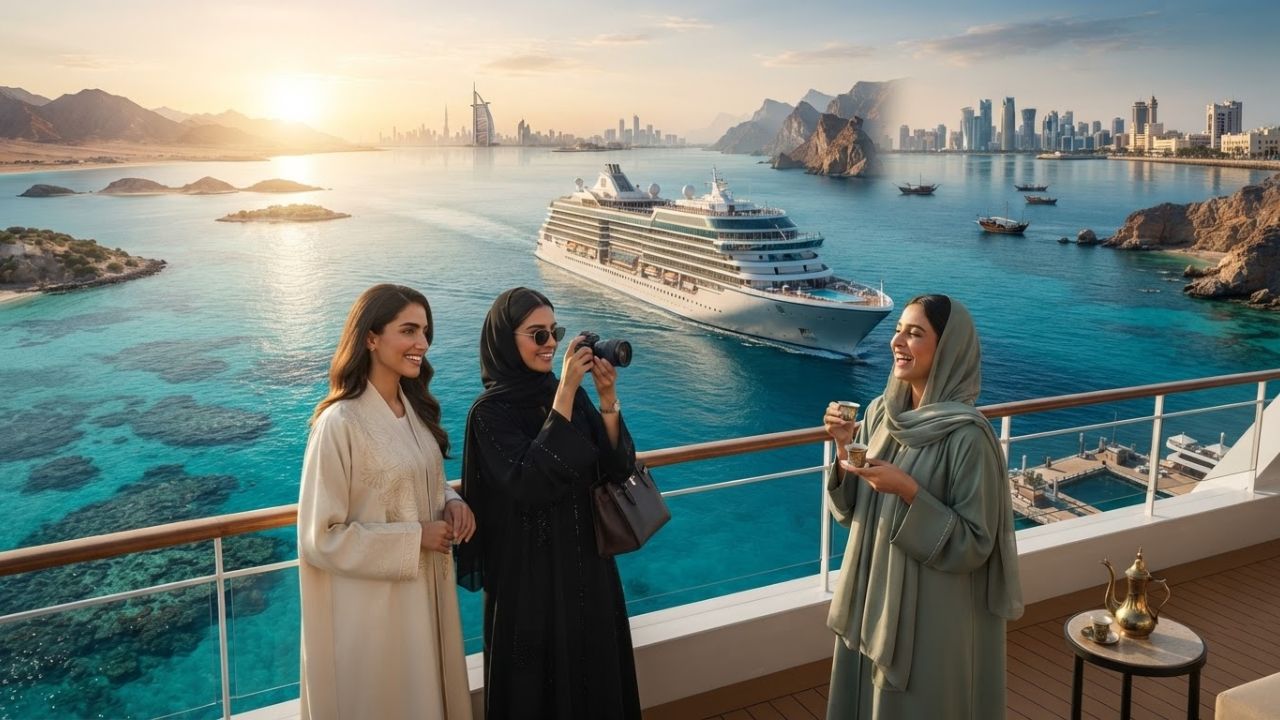
Image generated by AI
Published on July 19, 2026
A major transformation is taking hold in Middle East cruise tourism as Saudi Arabia joins forces with the UAE, Oman, Qatar, and Bahrain to shift passenger traffic away from congested hubs toward pristine Red Sea islands and sustainable maritime expeditions. This strategic decentralization, supported by new marine regulations and extensive port investments, offers global travelers unique, lower-impact exploration options across the Arabian Peninsula. Cruise passengers planning regional voyages are urged to check the expanding itineraries, verify visa conditions, and coordinate transit layovers through key connector ports.
Quick Summary
- Decentralization Shift: The Gulf and Red Sea nations are transitioning from a concentrated port model to a distributed network of destinations, reducing environmental pressure on traditional metropolitan hubs.
- Red Sea Regulatory Framework: The Saudi Red Sea Authority has established strict maritime regulations and safety standards to protect coral ecosystems and manage luxury expedition voyages.
- UAE Maritime Connector: Dubai and Abu Dhabi are expanding their roles under the UAE Tourism Strategy 2031, serving as international air-sea transit connectors for neighboring destinations.
- Sustainable Coastlines Expansion: Oman's Ministry of Heritage and Tourism is promoting eco-focused stops like Khasab's fjords, Salalah's heritage, and Muscat's waterfront, while Qatar expands Doha Port's Grand Cruise Terminal.
- Bahrain Cultural Depth: Bahrain contributes Dilmun civilization heritage sites and island experiences to regional itineraries, boosting stopover diversity.
Context and Background: Moving Beyond Traditional Port Concentration
The Middle East maritime industry is entering a new phase, characterized by regional cooperation, sustainable regulations, and distributed port networks. Instead of depending only on busy metropolitan cruise hubs, the region is developing a more balanced maritime ecosystem.
Saudi Arabia’s Red Sea ambitions, Oman’s natural coastline, Qatar’s modern cruise infrastructure, Bahrain’s cultural attractions, and the UAE’s established connectivity are combining to create a powerful new chapter for regional cruising. The shift directly addresses global pressures on the cruise industry to reduce environmental impact and avoid excessive passenger concentration in popular urban ports, creating a sustainable model for the future.
Event/Incident Details: The Red Sea Authority and Saudi Arabia's Cruise Vision
Saudi Arabia has emerged as one of the most ambitious players in the regional cruise tourism revolution. The Saudi Red Sea Authority has established a regulatory framework to support marine tourism activities while protecting coastal environments. Its responsibilities include licensing maritime activities, improving safety standards, encouraging investment, and ensuring the sustainable use of marine resources.
According to Saudi Red Sea Authority official portals, these regulations ensure that operators prioritize resource protection. Backed by the Public Investment Fund, Cruise Saudi has promoted new maritime concepts designed to combine luxury travel with Saudi cultural identity. Red Sea destinations allow operators to create smaller-scale, specialized itineraries including diving adventures, island exploration, and cultural excursions.
Risk/Impact: Managing Environmental Risks in Middle East Cruise Tourism
The expansion of maritime pathways near sensitive marine ecosystems introduces several operational risks and infrastructure requirements.
- Coral Ecosystem Fragility: Navigating near rich marine biodiversity in the Red Sea requires strict compliance with environmental protection regulations.
- Avoidance of Urban Crowding: Distributing passenger volumes across multiple coastal locations helps avoid the congestion issues faced by major commercial ports.
- Remote Rescue Logistics: Operating expedition cruises near untouched islands increases the need for robust safety standards and emergency response protocols.
- Vessel Capacity Limits: Specializing in smaller-scale itineraries reduces the footprint of maritime operations, but limits total passenger volume.
- Bilateral Regulation Barriers: Coordinating multi-country Gulf voyages requires operators to comply with different marine laws across borders.
What Authorities and Partners Are Saying: UAE, Oman, and Qatar Coordinate Marine Regulations
Regional tourism ministries emphasize that the future of regional cruising depends on responsible growth and international cooperation. According to Oman Ministry of Heritage and Tourism official records, sustainable tourism development is a national priority. Oman aims to protect natural and cultural assets while expanding international visitor opportunities through historic ports and traditional coastal communities.
In Washington and Gulf capitals, safety boards support these initiatives. Under Cruise Lines International Association (CLIA) global safety standards, operators are encouraged to integrate sustainable marine protocols into their regional networks. Regional leaders believe that distributing traffic across KSA, Oman, Qatar, and Bahrain strengthens the overall maritime product.
Practical Traveler Advice: Booking and Preparing for Regional Maritime Expeditions
To prepare for decentralized cruise itineraries in the Middle East, travel experts recommend the following guidelines:
- Select Specialized Itineraries: Choose routes that include diving, conservation activities, or heritage tours to experience the decentralized model.
- Verify Multi-Country Visas: Ensure you have the necessary visas for each stop, including Saudi Arabia, UAE, Qatar, Oman, and Bahrain.
- Assess Transit Hub Facilities: Utilize connector ports in Dubai and Abu Dhabi to coordinate flight connections and port check-ins.
- Respect Local Heritage Protocols: When visiting historic sites in Muscat, Salalah, or Dilmun, adhere to local cultural guidelines.
- Review Vessel Sustainability Rating: Book with cruise lines that prioritize environmental responsibility and low-impact operations.
- Plan for Remote Locations: Carry necessary medical supplies and gear when participating in nature-focused excursions or diving.
Broader Context: The Complementary Roles of KSA, Oman, Qatar, and Bahrain
The distinct profiles of each Gulf country complement the UAE's role as a primary international gateway. Saudi Arabia's Red Sea developments focus on managing coral ecosystems and luxury discovery. The UAE serves as a connector with established ports like Dubai and Abu Dhabi, aligning with the UAE Tourism Strategy 2031. Oman highlights nature and heritage, featuring Khasab's fjords and Dhofar traditions. Qatar's Doha Port Grand Cruise Terminal connects passengers to Souq Waqif and Waterfront museums. Bahrain contributes Dilmun civilization sites, souqs, and island heritage, adding history and depth.
Looking Ahead: The Next Generation of Middle East Cruise Tourism Itineraries
In the coming months, cruise companies will continue to introduce new itineraries focusing on remote exploration and sustainable transit. Regulators will monitor marine safety standards and coordinate cross-border guidelines to simplify passenger checks. The expansion of Red Sea cruising will serve as a global model, showing how new destinations can reduce pressure on congested ports.
Conclusion: Emphasizing Preparedness and Vigilance
The transformation of regional cruising requires traveler compliance and environmental awareness. By choosing sustainable itineraries, checking entry rules, and coordinating with regional ports, passengers can enjoy safe and unique voyages. Emphasizing preparedness and vigilance remains essential to protect the delicate marine environments of the Middle East.
FAQ: Middle East Cruise Tourism and Red Sea Expansion
What is driving the decentralization of Middle East cruise tourism?
The shift is driven by a move away from congested port hubs to a wider network of Red Sea islands, heritage ports, and eco-focused routes.
What is the role of the Saudi Red Sea Authority?
It licenses maritime activities, improves safety standards, encourages investment, and ensures the sustainable use of marine resources.
How do the UAE ports act as connectors?
Dubai and Abu Dhabi serve as primary connector ports, linking global travelers with regional itineraries across the Gulf and Red Sea.
What unique experiences does Oman offer cruise passengers?
Oman provides authentic coastal adventures, including Khasab's marine fjords, Salalah's frankincense heritage, and Muscat's waterfront.
Why is Doha Port central to Qatar's cruise strategy?
The Grand Cruise Terminal at Doha Port allows passengers to easily access world-class museums, cultural districts, and traditional markets.
Related Travel Guides
Disclaimer
This article is for informational and educational purposes only. It does not constitute legal, financial, or professional advice. While we strive to provide accurate and up-to-date information, travel policies, regulations, and conditions change rapidly. Always verify information with official sources before making travel decisions. Nomad Lawyer makes no representations about the accuracy, reliability, completeness, or suitability of the information provided. Readers should consult qualified professionals for advice specific to their circumstances. The views expressed in this article are those of the author and do not necessarily reflect the views of Nomad Lawyer.
Kunal K Choudhary
Co-Founder & Contributor
A passionate traveller and tech enthusiast. Kunal contributes to the vision and growth of Nomad Lawyer, bringing fresh perspectives and driving the community forward.
Learn more about our team →