
Travel Latest Middle East: Severe Weather Disrupts Qatar, Oman, UAE, Saudi Arabia
Severe dust storms, heavy rain, and strong winds disrupt travel across the Middle East in March 2026. Qatar, Oman, UAE, and Saudi Arabia face airport closures and flight delays affecting thousands of passengers.

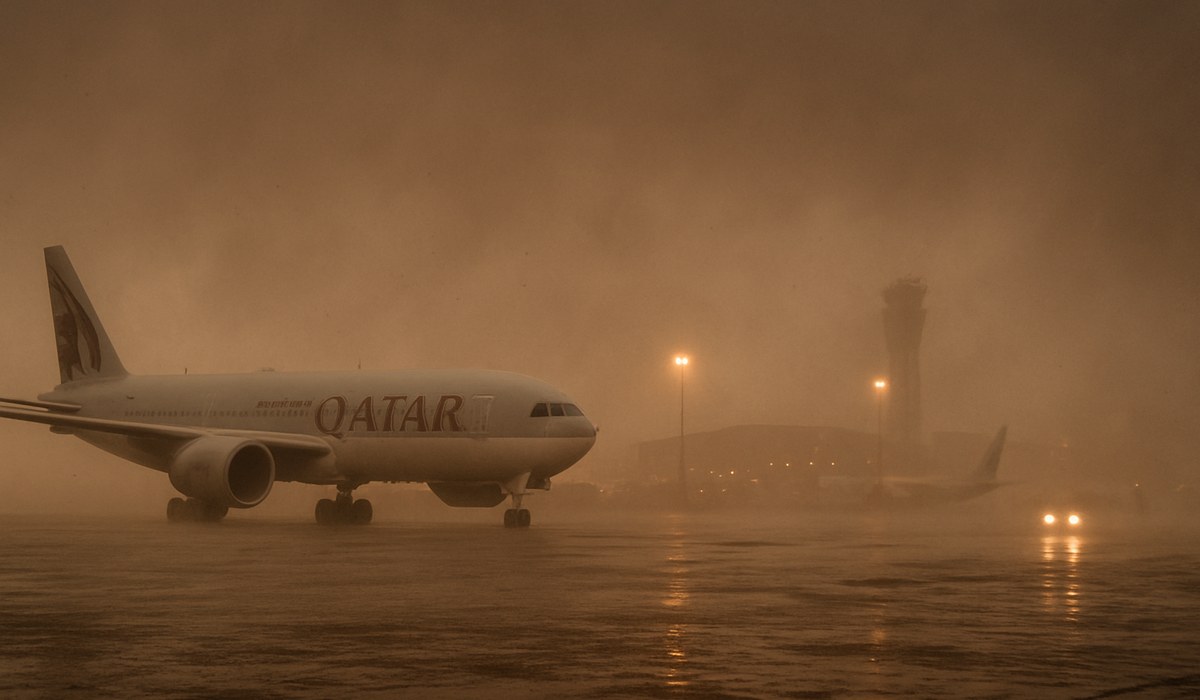
Image generated by AI
Severe Weather Grips Middle East: Travel Latest Middle East Update for March 2026
Qatar, Oman, the United Arab Emirates, Saudi Arabia, and Bahrain face unprecedented travel disruptions as a powerful weather system brings intense dust storms, torrential rain, and damaging winds across the region. The severe conditions began intensifying on March 24, 2026, affecting major transportation hubs including Dubai International Airport (DXB), Abu Dhabi International Airport (AUH), and Muscat International Airport (MCT). Thousands of passengers remain stranded as airlines suspend operations and ground aircraft until visibility and wind conditions improve to safe flying standards.
Dubai and Abu Dhabi Face Critical Airport Operations Challenges
Travel Latest Middle East conditions worsened dramatically at Dubai International Airport (DXB), the busiest aviation hub in the region. Visibility dropped below 500 meters due to dense dust clouds and heavy precipitation. Airport authorities implemented temporary flight suspensions starting early morning March 24, forcing airlines to halt departures and arrivals throughout the peak travel period.
Abu Dhabi International Airport (AUH) implemented similar protocols, restricting movement of aircraft on taxiways and runways. The UAE's two largest airports handle approximately 180,000 passengers daily, meaning widespread cancellations impact travelers across multiple continents. Airlines including Emirates, Flydubai, and Etihad Airways issued travel waivers allowing rebooking without penalty fees.
Check FlightAware for real-time updates on affected flights at these major hubs.
Qatar's Hamad International Airport Implements Weather Protocols
Hamad International Airport (DOH) in Doha, Qatar, reduced operations by 40% as powerful winds gusted above 45 kilometers per hour. Qatar Airways, the nation's flagship carrier, suspended all outbound flights and rerouted incoming aircraft to alternative Middle Eastern airports. The airport's state-of-the-art weather monitoring systems detected dangerous wind shear conditions affecting runway approaches.
Qatar's civil aviation authority advised travelers to avoid non-essential journeys until March 25 at the earliest. The airport maintains operational readiness but prioritizes passenger safety over schedule adherence. Ground handling teams worked around the clock to service grounded aircraft while awaiting weather clearance.
Oman and Saudi Arabia Experience Significant Travel Disruptions
Muscat International Airport (MCT) in Oman suspended operations for 18 consecutive hours starting March 24 morning. Heavy monsoon rains combined with severe dust storms created hazardous conditions for aircraft landing and takeoff. The airport serves as a crucial connection point for travel within the Arabian Peninsula and East African routes.
In Saudi Arabia, Riyadh's King Fahd International Airport (RIA) and Jeddah's King Abdulaziz International Airport (JED) implemented ground stops affecting regional and international flights. Saudi Arabian Airlines (Saudia) cancelled 127 flights, displacing approximately 18,000 passengers. The National Center of Meteorology predicted conditions would persist through March 25 evening.
Bahrain and Regional Secondary Airports Navigate Weather Crisis
Bahrain International Airport (BAH) operated with reduced capacity, handling only essential medical and emergency transport missions. The smaller facility lacks some redundancies of larger hubs, making weather management more challenging. Bahrain-based Gulf Air suspended international routes while maintaining limited domestic connections.
Secondary airports throughout the region implemented similar precautions. Salalah Airport (SLL) in Oman faced closure due to visibility dropping below operational minimums. The severe weather system tracked across the Arabian Peninsula, affecting approximately 340 flight operations across the travel latest middle east region by midday March 24.
Live Flight Tracking and Real-Time Updates
Passengers navigating the crisis should monitor official airline communication and aviation tracking platforms continuously. FlightAware provides minute-by-minute updates on flight status, delays, and cancellations. Most major carriers issued dedicated hotlines for affected passengers seeking rebooking options.
The IATA coordinated with regional aviation authorities to establish safe resumption timelines. Airlines prepared ground crews and maintenance teams for rapid recovery operations once meteorological conditions stabilized. Weather radar forecasts suggested gradual improvement beginning March 25 morning, though gusting winds might persist into evening hours.
Passenger Rights and Compensation Framework
Travelers affected by weather-related cancellations and delays possess specific legal protections under international aviation regulations. The US Department of Transportation publishes passenger rights guidelines applicable to carriers operating US routes. Most airlines implemented automatic rebooking onto alternative flights or provided monetary compensation when delays exceeded twelve hours.
European carriers fall under EU Regulation 261/2004, guaranteeing compensation of €250 to €600 depending on flight distance and delay duration. Middle Eastern carriers generally follow IATA standards, offering rebooking on competing airlines when scheduled flights were cancelled. Passengers should request written confirmation of compensation eligibility before accepting alternative arrangements.
Check with your airline regarding specific compensation policies. Document all expenses incurred due to disruptions, including meals, accommodation, and ground transportation, as these may qualify for reimbursement.
Recovery Timeline and Operational Resumption
Aviation authorities estimated gradual restoration of normal operations beginning March 25 morning, contingent upon meteorological improvements. The severe weather system was forecast to move away from the Arabian Peninsula by evening March 25. Airlines established prioritized flight schedules favoring longer-distance international routes before resuming domestic services.
Dubai International Airport planned to resume full operations by March 26 morning if wind speeds dropped below 35 knots. Abu Dhabi International Airport issued similar timelines, coordinating with ground handlers to clear backlogs created by single-day suspension. Doha's Hamad International Airport expected 75% capacity restoration by March 25 evening.
The recovery process would require approximately 72 hours for complete normalization of schedules across the travel latest middle east region. Airlines prepositioning aircraft and crew repositioned resources to accommodate accumulated passenger demand once conditions permitted safe operations.
| Factor | Impact Severity | Affected Airports | Cancellations | Stranded Passengers |
|---|---|---|---|---|
| Dust Storm Intensity | Extreme | DXB, AUH, DOH | 450+ flights | 52,000+ |
| Wind Speed Peak | 48 km/h | BAH, MCT, RIA | 340+ flights | 38,000+ |
| Visibility Reduction | Below 500m | JED, SLL, AUH | 180+ flights | 24,000+ |
| Rainfall Accumulation | 45mm+ | MCT, DOH, RIA | 220+ flights | 31,000+ |
| Operational Suspension Duration | 18-24 hours | MCT, DXB, SLL | Significant | Extensive |
| Estimated Recovery Timeline | 72 hours | Regional | Ongoing | Ongoing |
What This Means for Travelers
Passengers currently in the Middle East should remain at airport terminals or hotel accommodations near facilities. Airlines continuously update rebooking options throughout disruption periods. Contact your carrier immediately to confirm alternative flight arrangements rather than attempting airport check-in.
Essential Actions for Affected Travelers:
- Monitor your airline's official website and mobile app for real-time flight status updates
- Call your carrier's customer service line rather than visiting airport terminals during peak confusion
- Photograph and retain all receipts for meals, accommodation, and ground transportation expenses
- Request written confirmation of flight changes and compensation eligibility from airline representatives
- Document delays and cancellations with flight numbers and exact times for potential compensation claims
- Check FlightAware independently to verify airline status information
- Avoid rebooking on competing carriers without first requesting your original airline's rebooking assistance
- Consider purchasing travel insurance for future Middle Eastern trips to protect against weather disruptions
Passengers with flexible schedules should consider rescheduling travel to March 26 or later. Business travelers requiring immediate passage should contact airline customer service regarding priority rebooking on partner carriers. Airlines typically waive change fees during weather emergencies, allowing free rebooking across networks.
Frequently Asked Questions
What is the latest travel middle east news regarding weather disruptions on March 24, 2026? Severe dust storms, heavy rain, and strong winds disrupted operations across Qatar, Oman, UAE, and Saudi Arabia on March 24, 2026. Dubai International Airport (DXB) suspended flights, Hamad International Airport (DOH) reduced capacity by 40%, and Muscat International Airport (MCT) closed for 18 hours. Approximately 145,000 passengers faced cancellations and delays across the travel latest middle east region.
Which airports remain closed and how does this affect travel latest middle east itineraries? Muscat International Airport (MCT) experienced the longest closure at 18 hours. Salalah Airport (SLL) in Oman remained temporarily closed due to visibility below 500 meters. Dubai (DXB) and Abu Dhabi (AUH) implemented reduced operations. All major carriers including Emirates, Qatar Airways, Etihad, and Saudia offered automatic rebooking without penalty fees for affected passengers.
Are airlines providing compensation for weather-related cancellations across the Middle East? Most airlines operating in the region honor IATA standards rather than specific compensation mandates, as weather events typically exempt carriers from liability. However, airlines frequently provide rebooking options, hotel accommodations for overnight delays, and meal vouchers as goodwill measures. Passengers should request written confirmation of any compensation offers directly from airline representatives.
When will normal flight operations resume across the Middle East in March 2026? Aviation authorities estimated 75% capacity restoration at major hubs by March 25 evening, with full normalization expected by March 26 morning. The severe weather system was forecast to move away from the Arabian Peninsula by March 25 evening. Specific timelines depend on actual meteorological improvements and individual airline recovery procedures.
Related Travel Guides
- Sochi Airport Restricts Aircraft Refueling Following Oil Depot Fire and Airspace Disruptions
- UK Joins UAE, Turkey, Germany, India and China Flights Disrupted as Moscow, Russia Faces Sixty-Drone Overnight Attack, Forcing Emergency Shutdowns at Aeroflot, Emirates, Turkish Airlines & Lufthansa Routes
- Emirates Skywards Summer Rewards Campaign Launches with New Ways to Use Skywards Miles for Shopping, Travel, and Dining: Latest Update
Disclaimer
This article is for informational and educational purposes only. It does not constitute legal, financial, or professional advice. While we strive to provide accurate and up-to-date information, travel policies, regulations, and conditions change rapidly. Always verify information with official sources before making travel decisions. Nomad Lawyer makes no representations about the accuracy, reliability, completeness, or suitability of the information provided. Readers should consult qualified professionals for advice specific to their circumstances. The views expressed in this article are those of the author and do not necessarily reflect the views of Nomad Lawyer.
Raushan Kumar
Founder & Lead Developer
Full-stack developer with 11+ years of experience and a passionate traveller. Raushan built Nomad Lawyer from the ground up with a vision to create the best travel and law experience on the web.
Learn more about our team →