
Middle East Airport Strikes Disrupt Global Aviation as Geopolitical Crisis Spreads
Kuwait International Airport struck by missiles amid Iran-US conflict escalation. Gulf aviation hubs face unprecedented closures, stranding hundreds of thousands and forcing major reroutes that ripple across global networks.

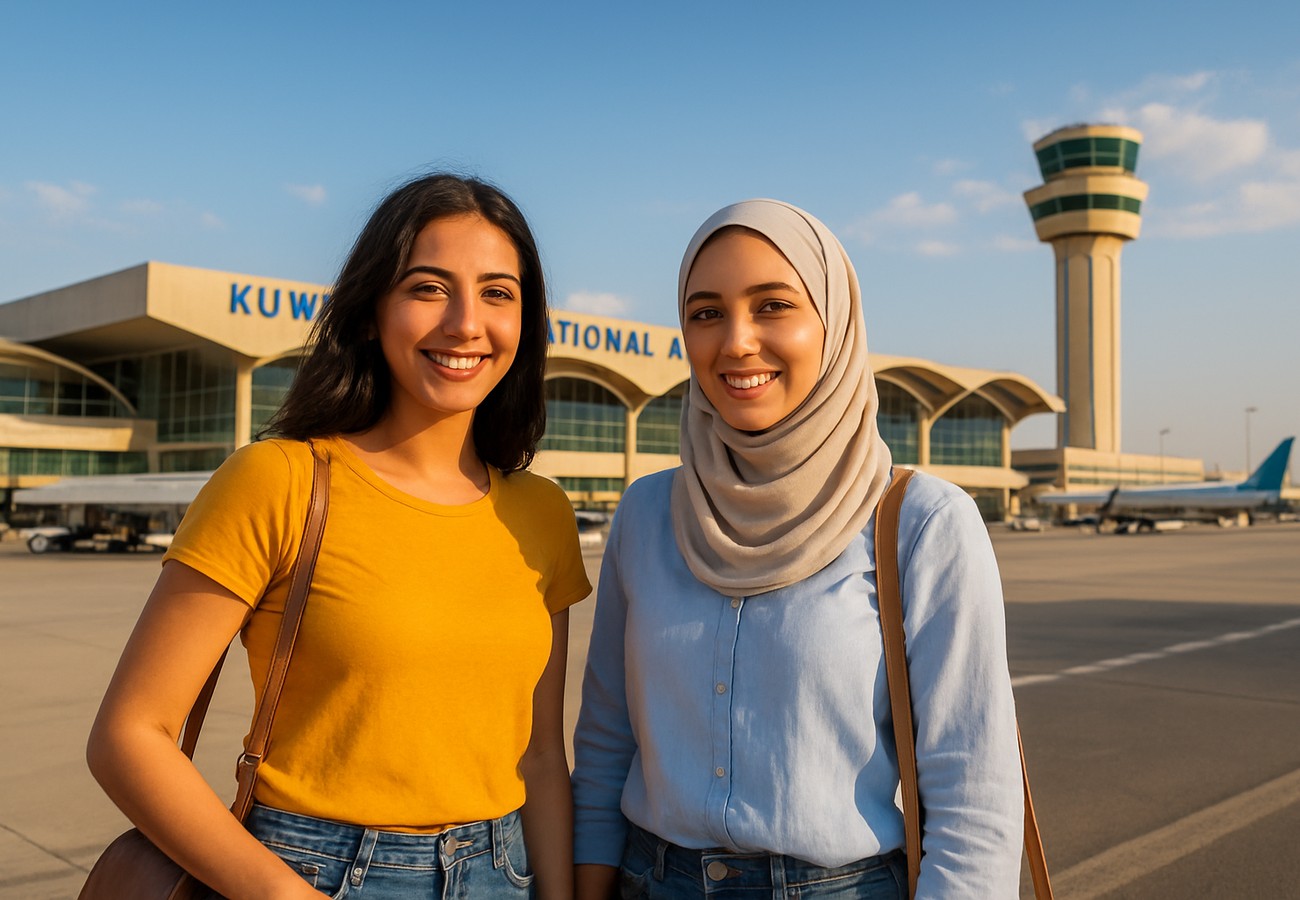
Image generated by AI
The aviation world just experienced a seismic shock. Kuwait International Airport has been struck by missiles as part of an escalating conflict involving Iran, the United States, and allied forces — and the ripple effects are shutting down some of the world's most critical aviation hubs.
This isn't a distant regional problem anymore. When airports in the Gulf get hit, the entire global travel network convulses.
Civilian Infrastructure Becomes a Conflict Zone
What we're witnessing is a troubling shift in Middle Eastern conflict dynamics: civilian aviation infrastructure is now directly in the crosshairs. Kuwait International Airport sustained damage from missile strikes that reflect how this conflict has widened beyond military targets. The damage is real, the consequences immediate.
The Persian Gulf has seen military flare-ups before. But this marks a new, dangerous chapter where traditional travel corridors are no longer safe bets. Airlines, governments, and millions of passengers are now forced to rethink flight plans in real time.
Reddit: "Just got notified my flight through Dubai is cancelled. No rebooking options available. This is insane." — r/flights
The World's Busiest Hubs Are Under Fire
Here's the scale of what's at stake: airports like Dubai International, Abu Dhabi, and Doha aren't just regional players. They're global connectors. These three hubs alone move hundreds of millions of passengers annually, bridging Asia, Europe, Africa, and the Americas.
Previous military activity in the region already prompted major carriers—including European airlines from Germany and France—to suspend routes entirely. Now, with missile strikes hitting civilian airports, those suspensions are extending indefinitely. Airlines worldwide are reassessing Middle East routing as a fundamental risk factor.
When Dubai and Abu Dhabi go dark, the entire international travel map shifts.
Hundreds of Thousands Stranded Right Now
The numbers are staggering. Airspace closures across Iran, Iraq, Kuwait, Qatar, and the UAE have created a no-fly zone spanning thousands of square miles. Hundreds of thousands of passengers are trapped in transit hubs, desperate to rebook, reroute, or simply get home.
Terminal buildings that normally hum with efficient passenger flow are now congested chaos zones. Grounded aircraft sit idle on runways. Hotels near these airports have become emergency shelters for stranded travellers with no departure time in sight.
The logistical nightmare is compounded by limited information and rapidly changing flight statuses. Airlines are overwhelmed. Passengers are furious. Rebooking systems are crashed.
Airlines Absorb Devastating Economic Costs
When airspace gets shut down, airlines don't just cancel flights—they reroute survivors over longer, more expensive paths. Some carriers are now flying southerly corridors over Africa and the Indian Ocean to connect Europe and Asia, adding hours to flight times.
Longer routes mean elevated fuel costs. Extended crew hours. Operational strain that hits the bottom line hard. The airline industry is already running on thin margins, and geopolitical disruptions like this can push carriers into crisis mode.
These cost increases don't stay with airlines. They filter down to ticket prices, potentially driving up fares even on flights that completely avoid the Middle East.
Tourism and Transit Routes Collapsing
The Middle East has historically thrived on through-traffic—passengers connecting between Europe, Asia, Africa, and the Americas using Gulf hubs as their pivot point. That model is breaking down.
Tour operators are now advising clients to avoid routing through the region entirely. Alternative hubs in Europe and East Asia are being prioritized instead. Destination markets that relied on spillover tourism from Middle Eastern travel circuits are experiencing steep declines in visitor numbers.
Countries like Jordan, which historically benefited from regional travel connections, are seeing dramatic drops in inbound traffic due to perceived instability.
Risk Management Becomes Standard Route Planning
Thirty days into this conflict cycle, airlines are evaluating geopolitical risk assessments as standard operating procedure—not afterthoughts. Route decisions that were once purely profit-driven now require safety modeling and conflict zone analysis.
This represents a fundamental departure from pre-conflict aviation norms. Commercial viability is no longer the only metric that matters. Geopolitical reality now shapes where planes fly.
Travel Advisories Reshape Global Itineraries
Governments worldwide have issued updated travel warnings. The U.S. State Department and other diplomatic bodies are urging citizens to exercise extreme caution in the Middle East. Airspace closures, missile threats, and ground security unpredictability are flagged as ongoing risks that could persist for months.
These advisories aren't suggestions. For travellers with Gulf bookings, they're becoming cancellation triggers. Postponements are mounting. Route changes are becoming mandatory.
The Global Aviation System Feels the Shock
Airports outside the Middle East are experiencing a secondary surge. Istanbul and major European hubs are absorbing rerouted traffic as airlines push flights through safer corridors. This creates temporary capacity crises at alternate airports while leaving Gulf facilities sitting mostly idle.
Passenger confidence is crumbling too. Even when alternative routes exist, knowing that ongoing strikes are hitting civilian airports dampens enthusiasm for international travel. The psychological impact of conflict-zone proximity affects booking behavior far beyond the region itself.
Building Resilience in Uncertain Times
Airlines are responding with flexible rebooking systems, expanded passenger support services, and real-time communication channels. Travel industry analysts point to dynamic scheduling and predictive disruption modeling as future survival tools.
For travellers considering long-haul flights near or through the Middle East, the checklist is clear: book early, purchase comprehensive travel insurance, monitor government advisories obsessively, and build buffer time into itineraries.
The aviation industry will adapt. It always does. But this conflict has exposed how fragile global air routes become when geopolitical shocks hit critical infrastructure hubs.
The question isn't whether airlines will survive this disruption—it's how many passengers will rethink their travel plans before stability returns.
Related Travel Guides
Range Aircraft Airbus A350 Breaks 18-Hour Non-Stop Flight Barrier in 2026
Etihad Airways Launches 13 New Routes in 2026: Abu Dhabi Expands Global Hub to China, US, Europe
Disclaimer
This article is for informational and educational purposes only. It does not constitute legal, financial, or professional advice. While we strive to provide accurate and up-to-date information, travel policies, regulations, and conditions change rapidly. Always verify information with official sources before making travel decisions. Nomad Lawyer makes no representations about the accuracy, reliability, completeness, or suitability of the information provided. Readers should consult qualified professionals for advice specific to their circumstances. The views expressed in this article are those of the author and do not necessarily reflect the views of Nomad Lawyer.
Kunal K Choudhary
Co-Founder & Contributor
A passionate traveller and tech enthusiast. Kunal contributes to the vision and growth of Nomad Lawyer, bringing fresh perspectives and driving the community forward.
Learn more about our team →