
Premium Economy Dominates Transpacific Route Strategy as Airlines Bet Big on Mid-Cabin Revenue Growth
Breaking airline news and aviation industry updates for 2026.

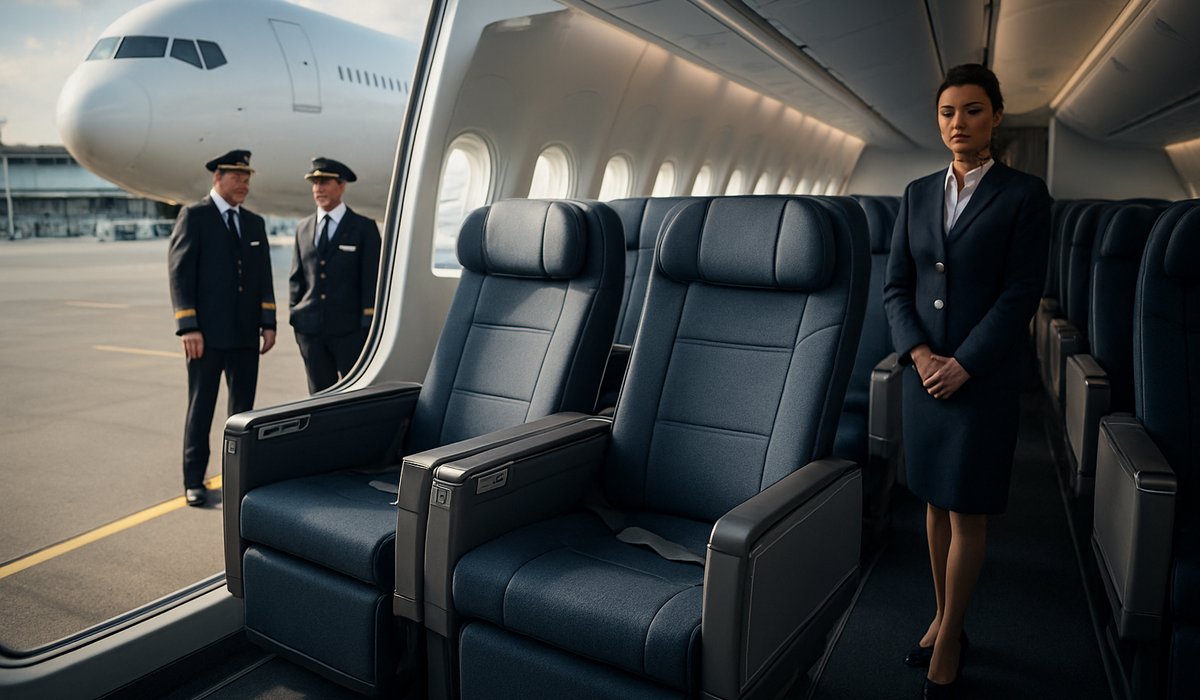
Image generated by AI
Premium Economy Dominates Transpacific Route Strategy as Airlines Bet Big on Mid-Cabin Revenue Growth
Major carriers invest heavily in seat innovation to capture middle-market travelers seeking comfort without first-class pricing
Airlines Pivot Investment Strategy Toward Premium Economy
The global aviation industry is experiencing a significant strategic shift, with major international carriers channeling unprecedented capital into premium economy cabins rather than traditional first-class offerings. This reorientation reflects a fundamental change in how airlines approach long-haul profitability, particularly on lucrative transpacific routes where premium economy seats have emerged as a critical revenue driver.
The pivot represents a calculated response to evolving passenger behavior. Rather than competing for a shrinking ultra-premium market dominated by business-class elite, airlines are targeting the substantially larger demographic of leisure and corporate travelers willing to pay moderate premiums for tangible comfort improvements. Premium economy cabins—positioned between standard economy and business class—offer airlines what many industry analysts describe as the "sweet spot" for revenue optimization.
The Business Case Behind Cabin Redesigns
The economics are compelling. Premium economy seats command price points typically 40-80% higher than standard economy fares, while requiring significantly less capital expenditure than first-class retrofits. For passengers, the proposition is equally attractive: improved legroom, wider seats, enhanced meal services, and priority boarding translate to substantive travel quality improvements at a fraction of business-class costs.
Investment in this segment demonstrates airlines' confidence in post-pandemic demand patterns. Carriers are leveraging advanced seat engineering, premium bedding materials, and enhanced in-flight entertainment systems to differentiate their offerings across the highly competitive transpacific market, where routes between North America and Asia-Pacific represent some of aviation's most profitable corridors.
Market Response and Expansion Plans
Industry reports indicate premium economy capacity continues expanding on transpacific services. This growth trajectory reflects airlines' assessment that the mid-cabin market possesses substantially greater elasticity than ultra-premium segments, with more potential customers at higher load factors.
The strategy addresses broader industry dynamics, including volatile jet fuel prices and competitive pressure to maximize per-seat revenue. By offering passengers meaningful comfort enhancements without the operational complexities of maintaining underutilized first-class cabins, airlines achieve improved passenger satisfaction metrics and financial performance simultaneously.
Looking Forward
As carriers complete premium economy rollouts across their widebody fleets, particularly on transpacific and long-haul intercontinental routes, this cabin category is expected to become the primary battleground for airline differentiation. Manufacturers including Boeing and Airbus increasingly emphasize premium economy seat innovations in their marketing to prospective airline customers, signaling that this segment will define competitive positioning throughout the coming decade.
Frequently Asked Questions
What exactly is premium economy and how does it differ from business class? Premium economy offers wider seats with extended legroom, improved meal service, and enhanced amenities positioned between standard economy and business class, typically costing 40-80% more than basic fares but significantly less than business-class tickets.
Why are airlines investing more in premium economy than first class? Premium economy targets a substantially larger passenger demographic willing to pay moderate premiums for comfort improvements, offering airlines higher load factors and better revenue optimization compared to niche first-class markets.
Which airlines currently offer the most comfortable premium economy seats on transpacific routes? Major carriers including Singapore Airlines, Cathay Pacific, Japan Airlines, and various North American and Australian airlines have deployed advanced premium economy products on their Asia-Pacific services.
How do premium economy seat prices compare to first-class on transpacific flights? Premium economy typically costs 40-80% more than economy fares, while first-class tickets often command premiums of 300-500% or higher, making premium economy more accessible to broader passenger markets.
Is premium economy worth the extra cost for long transpacific flights? For passengers seeking improved comfort on 12-16 hour flights without business-class expense, premium economy seats with enhanced legroom, bedding, and services provide meaningful quality-of-life improvements at substantially lower price points.
Related Travel Guides
Flight Delay Compensation Guide 2026
Understanding Airline Route Changes
Airport Security Process Updated (2026)
External Resources
Disclaimer
This article is for informational and educational purposes only. It does not constitute legal, financial, or professional advice. While we strive to provide accurate and up-to-date information, travel policies, regulations, and conditions change rapidly. Always verify information with official sources before making travel decisions. Nomad Lawyer makes no representations about the accuracy, reliability, completeness, or suitability of the information provided. Readers should consult qualified professionals for advice specific to their circumstances. The views expressed in this article are those of the author and do not necessarily reflect the views of Nomad Lawyer.
Kunal K Choudhary
Co-Founder & Contributor
A passionate traveller and tech enthusiast. Kunal contributes to the vision and growth of Nomad Lawyer, bringing fresh perspectives and driving the community forward.
Learn more about our team →