
Guanajuato Travel Guide 2026: San Miguel de Allende, Subterranean Alleys, and Bajío Adventures

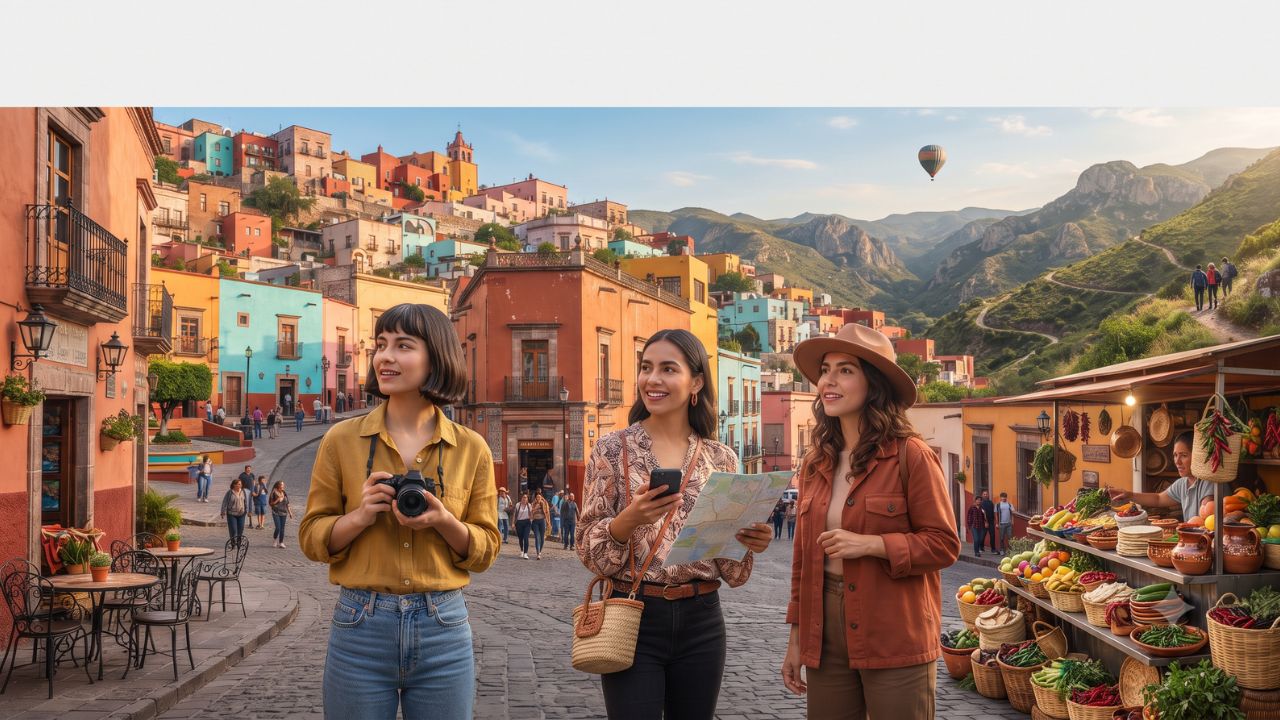
Beneath the pastel plazas and baroque bell towers of Guanajuato City lies an underground network of vaulted subterranean tunnels originally built to channel floodwaters and silver mine carts, now carrying the city's automotive traffic. This underground road engineering allows pedestrians above to wander traffic-free stone stairways, hidden plazas, and alleyways untouched by modern thoroughfares.
Located in the heart of central Mexico's Bajío highlands, the state of Guanajuato has evolved into one of the country's most compelling cultural corridors. Rather than serving as a quick weekend day trip from Mexico City, the region offers a rich dual-destination experience anchored by two distinct UNESCO World Heritage sites—Guanajuato City and San Miguel de Allende—complemented by high-altitude hot-air ballooning, mountain trekking, and deep culinary roots.
The Cultural Rise of Mexico's Bajío Corridor
Travelers exploring Mexico are increasingly looking beyond coastal resorts to seek immersive inland journeys that combine history, outdoor recreation, and regional gastronomy. Guanajuato meets this demand by providing compact transit corridors between centuries-old silver mining towns, agricultural valleys, and protected mountain ranges.
The region's tourism model links urban heritage with adventure pursuits. Visitors can spend mornings exploring 18th-century baroque architecture, afternoons sampling regional dishes at municipal markets, and early mornings drifting in hot-air balloons over volcanic canyons and agricultural plains.
With international air arrivals through Guanajuato International Airport (BJX) in Silao and direct luxury bus connections from Mexico City and Guadalajara, moving across the state is straightforward. The twin hubs of Guanajuato City and San Miguel de Allende sit only 75 minutes apart by road, making multi-stop regional itineraries highly accessible.
| Hub & Region | Primary Character | Key Highlights | Regional Food Specialty | Recommended Stay |
|---|---|---|---|---|
| Guanajuato City | Historic university & mining town | Subterranean street tunnels, Teatro Juárez, Callejón del Beso | Enchiladas mineras (carrots, potatoes, queso fresco) | 2 to 3 days |
| San Miguel de Allende | Art, design, & colonial architecture | Parroquia de San Miguel Arcángel, Fábrica La Aurora, rooftop dining | Artisanal Bajío wines & regional lamb barbacoa | 3 to 4 days |
| Sierra de Santa Rosa | Mountain pine forest & nature reserve | High-altitude hiking trails, mountain biking, birdwatching | Local goat cheeses & wild fruit preserves | 1 day excursion |
| Valle de San Miguel | Agricultural & thermal valley | Sunrise hot-air balloon flights, natural hot springs (La Gruta) | Farm-to-table Bajío produce | Half-day activity |
What Makes Guanajuato Different: Twin World Heritage Anchors
Guanajuato's unique character stems from the contrasting personalities of its two premier cities, each holding independent recognition by the UNESCO World Heritage Centre.
Guanajuato City, inscribed for its historic center and adjacent colonial silver mines, is built within a narrow mountain gorge. The terrain required architects to construct tiered houses ascending steep hillsides and to carve subterranean avenues directly into rock. The city pulses with artistic energy, driven by the historic Universidad de Guanajuato and the world-renowned Festival Internacional Cervantino. Street musicians known as estudiantinas lead nightly walking tours (callejoneadas) through winding alleys, sharing local folklore and acoustic serenades.
An hour's drive to the east, San Miguel de Allende offers a refined, gallery-lined aesthetic inscribed under the Sanctuary of Jesús Nazareno de Atotonilco and San Miguel de Allende World Heritage listing. Dominated by the neo-Gothic pink sandstone spires of the Parroquia de San Miguel Arcángel, the town has become a major center for international painters, sculptors, and culinary innovators. Repurposed textile mills like Fábrica La Aurora now house contemporary art studios, while historic courtyards host award-winning restaurants.
The surrounding Bajío countryside expands the journey into open terrain. Sunrise hot-air balloon flights launch regularly outside San Miguel, providing panoramic views across the Laja River basin and volcanic hills. To the north, the pine-covered ridgelines of the Sierra de Santa Rosa offer rugged hiking trails where travelers can explore oak forests and historic mountain hamlets.
Visitor Insider Tips for Touring Guanajuato
Maximizing a trip through the Bajío region requires attention to terrain, transport, and local dining schedules:
- Footwear and Terrain: Guanajuato City's streets feature steep, polished cobblestones that become slick when damp. Pack sturdy walking shoes with rubber grip; leave smooth-soled shoes or heels behind.
- Market Dining at Mercado Hidalgo: For authentic local flavors in Guanajuato City, visit Mercado Hidalgo—housed in a massive 1910 iron-and-glass train shed designed by French engineers. Head to the food stalls for authentic enchiladas mineras, served with pickled carrots, potatoes, and crumbled ranchero cheese.
- Rooftop Reservations in San Miguel: Sunset over the Parroquia is San Miguel's signature visual moment. Reserve rooftop tables at downtown venues along Calle Aldama or near the main square (El Jardín) at least three to five days in advance during weekends.
- Intercity Bus Transit: Rather than driving through narrow colonial streets with limited parking, use luxury bus lines like Primera Plus or ETN to travel between Mexico City (Terminal del Norte), Querétaro, and Guanajuato hubs. Buses offer spacious seating, individual screens, and reliable schedules.
- Thermal Springs Rest Day: After days of climbing steep stone stairs, visit the natural thermal mineral pools at La Gruta or Escondido Place, located along the highway between San Miguel and the historic pilgrimage sanctuary of Atotonilco.
Cultural and Environmental Context in the Bajío
Guanajuato's architectural wealth originated during the 16th to 18th centuries when the La Valenciana and Rayas mines produced over a third of the world's silver. This extraction history created vast wealth that funded elaborate Churrigueresque churches and neoclassical palaces, but also left environmental and structural challenges across the valley.
Today, sustainable tourism initiatives supported by Visit Mexico focus on preserving historic infrastructure while mitigating the impacts of heavy visitor traffic. In San Miguel de Allende, strict municipal zoning bans modern commercial signage, overhead power cables, and out-of-scale developments to protect the 18th-century architectural integrity. In Guanajuato City, water conservation and canyon slope stabilization remain vital priorities as surrounding hillsides accommodate both residential life and boutique hospitality.
Supporting local cooperatives—such as purchasing handmade wool textiles in Atotonilco, artisanal ceramics in Dolores Hidalgo (the cradle of Mexican Independence), and goat cheese from family farms in Santa Rosa—ensures tourism revenue directly benefits the rural communities sustaining the Bajío's cultural traditions.
FAQ: Visiting Guanajuato State 2026
What is the best airport to fly into for Guanajuato?
Fly into Guanajuato International Airport (BJX) in Silao, located 25 minutes from Guanajuato City and 70 minutes from San Miguel de Allende. Querétaro Airport (QRO) is an alternative.
How much time should I spend in Guanajuato and San Miguel?
Plan 5 to 7 days to explore both hubs comfortably: spend 2–3 days in Guanajuato City for history and subterranean walks, and 3–4 days in San Miguel for art, dining, and outdoor excursions.
Is Guanajuato City safe for walking at night?
Yes. The historic center and university quarters maintain high foot traffic and active police patrols. Stick to well-lit alleys, especially during evening callejoneadas walking tours.
What is the best season to visit Guanajuato?
October through April offers dry weather, sunny days, and pleasant temperatures (22°C to 26°C), ideal for walking tours, balloon flights, and outdoor festivals.
From subterranean stone thoroughfares to sunrise balloon flights over the Bajío, Guanajuato delivers a multi-layered journey into the architectural and cultural soul of Mexico.
Related Travel Guides
Disclaimer
This article is for informational and educational purposes only. It does not constitute legal, financial, or professional advice. While we strive to provide accurate and up-to-date information, travel policies, regulations, and conditions change rapidly. Always verify information with official sources before making travel decisions. Nomad Lawyer makes no representations about the accuracy, reliability, completeness, or suitability of the information provided. Readers should consult qualified professionals for advice specific to their circumstances. The views expressed in this article are those of the author and do not necessarily reflect the views of Nomad Lawyer.
Preeti Gunjan
Contributor & Community Manager
A passionate traveller and community builder. Preeti helps grow the Nomad Lawyer community, fostering engagement and bringing the reader experience to life.
Learn more about our team →