
Mexico Tourism Surge: H1 2026 Records 51 Million Visitors Amid Security Advisory Updates and Sargassum Seaweed Alerts
Mexico welcomes 51.1 million international travelers in H1 2026, up 7.7%. Read about new safety advisories, sargassum alerts, and Japan's tax-free changes.

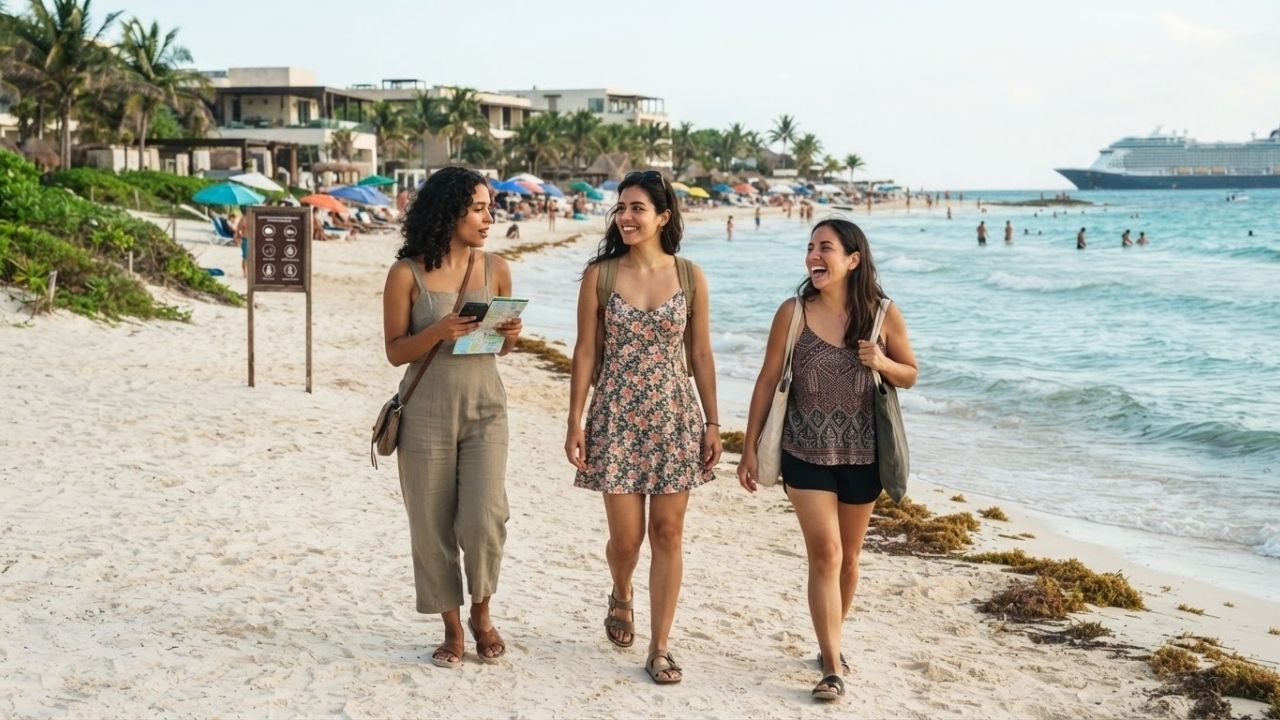
Image generated by AI
With official statistics showing 51.1 million international arrivals in the first half of 2026, Mexico's tourism sector is reaching record-high volumes.
Global tourism trends show strong demand for South American and North American destinations, even as travel costs rise. Tourism records compiled by Mexico's Secretariat of Tourism show a 7.7% increase in international travelers entering the country during the first six months of the year. However, this growth occurs alongside updated security advisories, seasonal sargassum seaweed blooms on the Caribbean coast, and shopping policy changes in Asia, requiring travelers to check local conditions before departure.
Record Travel Figures: Evaluating H1 2026 Tourism Growth
The statistical growth highlights Mexico's position as a primary international travel destination. Data released by the National Institute of Statistics and Geography (INEGI) shows that out of the 51.1 million arrivals in H1 2026, 24.5 million were overnight tourists, representing a 4.6% increase compared to the same period in 2025. These overnight tourists are particularly important to local economies because they generate demand for hotels, dining, and local tour operators.
International travelers generated approximately $18.78 billion in tourism spending between January and June, representing a 0.5% increase compared to H1 2025. This spend data shows that despite rising accommodation and transport fees, travelers are prioritizing vacations in Mexican destinations. The figures indicate that local tourism businesses are maintaining their market share in a competitive global environment.
Coastal Markets and Cruise Tourism Momentum
The cruise sector remains a key driver of Mexico's coastal economy, showing significant growth in passenger arrivals. During the first half of 2026, Mexico welcomed 6.6 million cruise passengers, a 15.2% increase compared to the previous year. These visitors generated approximately $575 million in spending, representing an 18.7% increase year over year.
The month of June was particularly strong, welcoming 843,417 cruise passengers at ports like Cozumel and Mahahual. Spending during June reached approximately $73.4 million, representing a 30% annual increase. These figures highlight the importance of maintaining marine and coastal infrastructure to support international cruise routes.
Diversifying Visitor Demographics: The World Cup Influence
A significant trend in 2026 is the growing diversity of international visitors. While travelers from the United States remain the largest market, arrivals from other countries have grown. During the first half of 2026, visitors from Colombia grew by approximately 31.5%, Brazil by 19.3%, and Japan by 17.1%, while Canadian arrivals increased by 7.6%.
This demographic shift is supported by global sports events, including the 2026 FIFA World Cup, with matches hosted in Mexico City, Guadalajara, and Monterrey. The tournament provided a global platform to promote Mexican cities beyond standard beach resorts. Reaching new regional markets helps reduce the tourism sector's reliance on a single source market.
Local Safety Variations: Navigating State Department Advisories
The record tourism volumes do not mean that travelers should ignore security updates. The US Department of State advises Americans to exercise Level 2 increased caution in Mexico due to crime. However, the advisory emphasizes that risk levels vary across different states and municipalities, requiring travelers to check destination-specific warnings.
Mexico's security conditions cannot be summarized by a single country-level label. Safe resort areas often sit adjacent to states with higher travel restrictions, meaning visitors should research their specific route rather than assuming conditions are identical across regions. Checking these safety guidelines shortly before departure helps ensure a well-planned trip.
Caribbean Coast Environmental Issues: Managing Sargassum Seasons
For visitors heading to Caribbean coast destinations such as Cancún, Playa del Carmen, or Tulum, sargassum seaweed remains a seasonal environmental issue. The brown seaweed accumulates on beaches, creating swimming restrictions and strong odors as it decomposes. The volume of sargassum varies from beach to beach, depending on local wind patterns and ocean currents.
Checking recent reports from the Quintana Roo Sargassum Monitoring Network before visiting can help travelers select unaffected beaches. Many coastal resorts implement daily clean-up programs to protect swimming areas, but travelers should keep in mind that conditions can change quickly. Checking directly with hotels before departure helps ensure travelers have accurate information.
Asian Travel Overhaul: Japan's Tax-Free Shopping Updates
Travelers planning international trips should also be aware of changes outside the Americas. Japan is overhauling its tax-free shopping system for international visitors starting November 1, 2026. Under the updated regulations, eligible tourists will pay the local consumption tax at the time of purchase and receive their refund at the airport before departure.
The new system requires travelers to keep all purchase receipts and allow additional time at airport checkpoints in Tokyo or Osaka. The policy change aims to prevent tax evasion and manage retail operations during peak travel periods. Travelers should review these guidelines before planning shopping trips in Asia.
Sustainable Travel and Coral Reef Conservation
With tourism volumes rising, travelers can support environmental conservation by adopting sustainable practices. Using ocean-safe, biodegradable sunscreen protects coral reefs from chemical damage, which is a major issue near Cozumel and the Riviera Maya. Booking tours with operators certified by Mexico's Secretariat of Environment and Natural Resources helps support eco-friendly businesses.
Additionally, travelers can support local economies by purchasing handicrafts directly from regional artisan cooperatives and dining at independent, neighborhood restaurants. Shifting spending to community-owned businesses helps preserve cultural heritage and supports regional families. These sustainable choices protect natural biomes for future visits.
Practical Travel Advice and Local Insider Tips
Travelers planning their next vacation can prepare with these recommendations:
- Travel During the Winter Sargassum Off-Peak: Plan your visit to Cancún or Tulum between November and January. Cooler water currents prevent sargassum blooms, resulting in cleaner beaches and pleasant weather.
- Try Regional Specialties in World Cup Cities: In Guadalajara, try a traditional torta ahogada—a spicy pork sandwich drenched in tomato sauce. In Monterrey, sample slow-roasted cabrito cooked over open coals.
- Support Local Artisans Without Haggling: When buying textiles or pottery in regional markets, pay the asking price. Aggressive haggling impacts the livelihoods of local makers who spend days creating these items.
- Discover San Ángel's Courtyards in Mexico City: Skip the crowded central plaza and visit the historic neighborhood of San Ángel on a Saturday morning to explore local flower markets and quiet colonial courtyards.
- Keep Receipts for Japan's New Refund System: If visiting Japan after November 1, keep all tax-free purchase receipts organized and arrive at the airport early to process your tax refunds.
Mexico Tourism and Global Travel Status Matrix
| Travel Indicator / Event | H1 2026 Data / Metric | Year-Over-Year Change | Key Focus Area / Region |
|---|---|---|---|
| International Travelers | 51.1 million arrivals | +7.7% growth | Mexico entry ports, border crossings |
| Overnight Tourists | 24.5 million tourists | +4.6% growth | Hotels, resort stays, regional cities |
| Tourism Revenue | $18.78 billion spent | +0.5% growth | National tourism income, local trades |
| Cruise Passenger Arrivals | 6.6 million visitors | +15.2% growth | Cozumel, Mahahual, coastal ports |
| Cruise Spending | $575 million spent | +18.7% growth | Regional port communities, excursions |
| Japan Tax-Free Change | November 1, 2026 start | System overhaul | Consumption tax refund at airports |
Frequently Asked Questions
How many international travelers did Mexico welcome in the first half of 2026?
Mexico welcomed 51.1 million international travelers in the first half of 2026, representing a 7.7% increase compared to the same period in 2025.
What safety advisories are currently in place for travelers visiting Mexico?
The US Department of State maintains a Level 2 travel advisory for Mexico, recommending travelers exercise increased caution due to varying regional crime risks.
How does sargassum seaweed affect beaches on Mexico's Caribbean coast?
Sargassum accumulates seasonally on beaches in Cancún and the Riviera Maya, causing swimming restrictions and odors that vary from beach to beach.
What changes are coming to Japan's tax-free shopping system in 2026?
Starting November 1, 2026, travelers in Japan will pay consumption tax at purchase and claim refunds at the airport before departure.
The Long-Term Direction of Global Tourism Management
Mexico's tourism boom highlights the need for balanced destination management. By diversifying visitor demographics and hosting global events like the FIFA World Cup, the country is expanding its appeal beyond traditional beach resorts. However, managing environmental challenges like sargassum and addressing local safety advisories remain key to maintaining international visitor confidence. As global travel policies adapt, travelers who research specific destinations and support sustainable practices will experience safer and more rewarding journeys.
By using municipal transit systems and supporting regional conservation initiatives, travelers help protect global destinations for future generations.
Related Travel Guides
Disclaimer
This article is for informational and educational purposes only. It does not constitute legal, financial, or professional advice. While we strive to provide accurate and up-to-date information, travel policies, regulations, and conditions change rapidly. Always verify information with official sources before making travel decisions. Nomad Lawyer makes no representations about the accuracy, reliability, completeness, or suitability of the information provided. Readers should consult qualified professionals for advice specific to their circumstances. The views expressed in this article are those of the author and do not necessarily reflect the views of Nomad Lawyer.
Raushan Kumar
Founder & Lead Developer
Full-stack developer with 11+ years of experience and a passionate traveller. Raushan built Nomad Lawyer from the ground up with a vision to create the best travel and law experience on the web.
Learn more about our team →