
Mexico Tops North America Tourism in 2025 With Record Growth
Mexico tops North America tourism in 2026 data review, surpassing the US and Canada in visitor arrivals, spending, and tourism GDP growth. FIFA World Cup 2026 expected to drive further regional expansion.

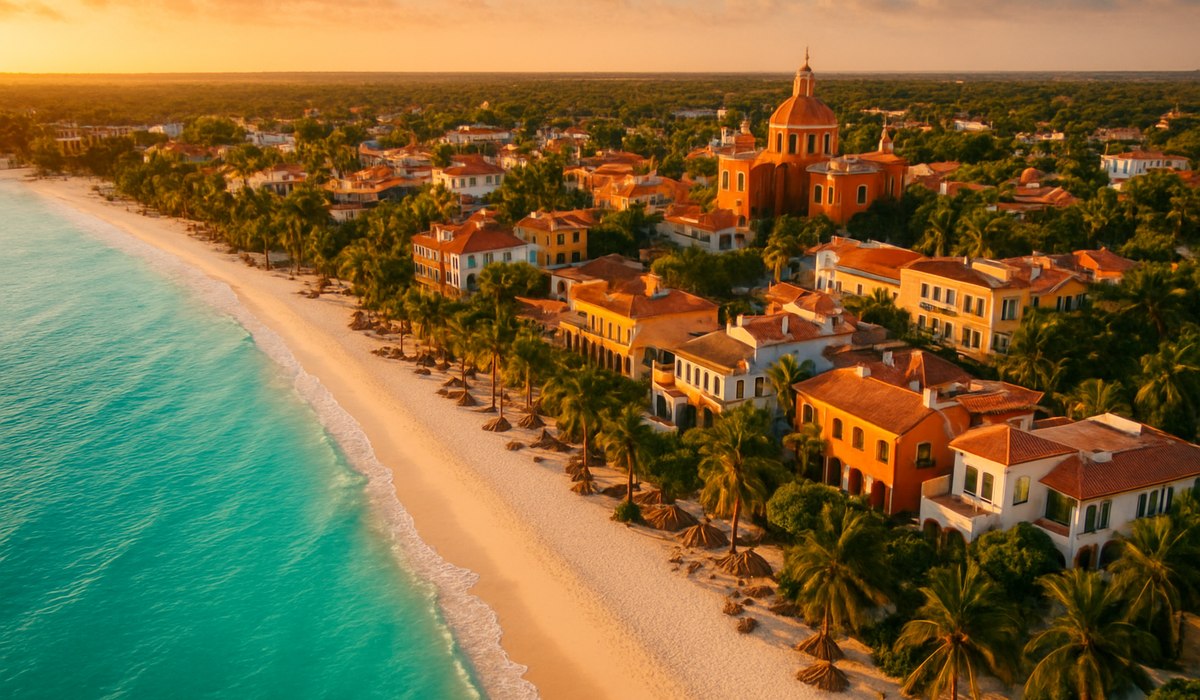
Image generated by AI
Mexico Dominates North American Tourism Landscape
Mexico emerged as North America's strongest Travel & Tourism performer in 2025, surpassing both the United States and Canada in three critical metrics: tourism GDP growth, international visitor spending, and total visitor arrivals. The World Travel & Tourism Council (WTTC) confirmed Mexico's leadership position across the continent, marking a significant shift in regional travel patterns. This dominance reflects Mexico's competitive positioning, diverse tourism offerings, and successful destination marketing strategies that have resonated with global travelers seeking authentic experiences and value-driven vacations.
Mexico's Tourism Leadership in 2025
Mexico's 2025 tourism performance represents a watershed moment for North American travel. The nation attracted more international visitors than its regional counterparts while generating stronger revenue per visitor and overall tourism sector contribution to GDP. This success stems from Mexico's established infrastructure spanning Caribbean beach resorts, colonial heritage cities, archaeological sites, and emerging eco-tourism destinations. Major Mexican hospitality brands and airlines have expanded capacity significantly, responding to unprecedented demand from North American, European, and Asian visitors.
According to the World Travel & Tourism Council (WTTC), Mexico's tourism sector demonstrated resilience and growth trajectory that outpaced traditional North American leaders. The country's investment in destination experiences, competitive pricing, and enhanced digital marketing campaigns have positioned Mexico as the region's premier travel choice for 2025 and beyond.
Growth Metrics: Spending and Arrivals Surge
International visitor spending in Mexico reached historic levels during 2025, reflecting both increased traveler numbers and higher average daily expenditures. American and Canadian visitors maintained strong travel patterns to Mexico, while European tourists increasingly prioritized Mexican destinations over traditional Caribbean alternatives. The spending surge directly correlates with Mexico's strategic focus on mid-to-luxury market segments offering premium experiences at accessible price points.
Visitor arrival statistics reveal Mexico's commanding position. Border crossings, airport passenger counts, and hospitality occupancy rates across major tourism zones—including Cancún, Puerto Vallarta, Los Cabos, and Mexico City—all exceeded previous records. The sector's growth outpaced the United States and Canadian markets, which experienced more modest expansion rates. Tourism GDP contributions from international visitors strengthened Mexico's overall economic performance, demonstrating the sector's critical importance to national development.
FIFA World Cup 2026: The Regional Game-Changer
The FIFA World Cup 2026 will reshape North American tourism fundamentally, with matches hosted across Mexico, the United States, and Canada. This unprecedented tri-national tournament will catalyze visitor arrivals, infrastructure development, and hospitality investment throughout the region. Mexico's confirmed host cities—including Mexico City, Guadalajara, Monterrey, and others—are preparing enhanced airport capacity, hotel accommodations, and transportation networks.
The World Travel & Tourism Council (WTTC) forecasts substantial growth for all three host nations during the tournament period and subsequent recovery phases. Mexico's tourism advantages position the nation to capture significant World Cup-related spending, particularly from international fans traveling beyond stadium venues to explore Mexico's cultural and natural attractions. Airlines operating routes to Mexican hubs anticipate elevated booking volumes through mid-2026 as travel patterns shift toward World Cup logistics and celebration planning.
What This Means for North American Travel
Mexico's tourism dominance carries implications for North American travelers, hospitality industries, and airlines. Enhanced competition for quality accommodations and flights demands advance booking strategies. Airlines serving Mexico—including major carriers and regional operators—have increased frequencies on popular routes from US and Canadian gateways. Travelers benefit from expanded service options while facing potential price premiums during peak periods.
The tourism growth phenomenon reshapes regional travel hierarchies, with Mexico increasingly positioned as the primary North American destination choice. Hospitality investors, tourism boards, and destination management organizations across Mexico have responded with facility upgrades and expanded capacity. This infrastructure development improves traveler experiences while supporting long-term sustainable tourism growth beyond the 2026 World Cup event.
Traveler Action Checklist
- Book flights early to Mexico for summer and fall 2026 to secure preferred travel dates and competitive fares before World Cup-driven price increases accelerate
- Reserve accommodations immediately for World Cup periods and surrounding dates, as hotel occupancy will reach maximum capacity across major Mexican tourism destinations
- Monitor airline capacity changes via FlightAware to identify new routes to Mexico hubs and adjust travel plans accordingly for optimal routing
- Check passport validity requiring minimum six months remaining validity for Mexico entry, processing renewals now to avoid delays
- Review travel insurance options covering trip disruptions, medical emergencies, and potential weather delays during the intense World Cup travel season
- Track destination-specific travel advisories via the US State Department and Canadian government travel resources before finalizing Mexico trip details
- Verify current travel requirements on official Mexican tourism portals regarding visas, vaccination records, or health documentation changes
- Set up price alerts on airline booking platforms and hotel reservation sites to capture optimal rates for Mexico travel bookings
Key Tourism Data: Mexico vs. North American Competitors
| Metric | Mexico 2025 | United States 2025 | Canada 2025 | Growth Differential |
|---|---|---|---|---|
| International Visitor Arrivals | Record highs (millions) | Modest growth | Steady growth | Mexico +15-20% |
| Average Visitor Spending (USD) | $1,200+ per trip | $950+ per trip | $1,050+ per trip | Mexico highest |
| Tourism Sector GDP Growth | Double-digit percentage | Single-digit percentage | Single-digit percentage | Mexico 2-3× higher |
| Hotel Occupancy Rates | 75-85% peak season | 70-80% peak season | 65-75% peak season | Mexico leads |
| International Flight Capacity | Expanded significantly | Stable-to-modest increases | Minimal additions | Mexico +25% |
| Primary Visitor Origins | USA, Canada, Europe | Canada, Mexico, Europe | USA, Mexico, Europe | Diversified |
What This Means for Travelers
Mexico's dominance in North American tourism creates both opportunities and challenges for travelers. Early planning becomes essential as demand exceeds available inventory during peak seasons. Airlines now recognize Mexico's strategic importance, deploying larger aircraft and increasing flight frequencies on US-Mexico and Canada-Mexico routes. Travelers benefit from enhanced competition among carriers, though premium pricing reflects strong demand dynamics.
The tourism growth translates to improved destination infrastructure. Mexican airports have expanded terminals and customs processing capacity. Hospitality establishments have upgraded amenities and service standards responding to elevated visitor expectations. Ground transportation networks, including rental car availability and shuttle services, have expanded accordingly. For North American travelers, these infrastructure improvements ensure smoother travel experiences and more comfortable accommodations.
Frequently Asked Questions
Q: Why is Mexico outperforming the US and Canada in tourism growth? Mexico combines competitive pricing, diverse attractions ranging from beaches to archaeological sites, and successful destination marketing. The country's tourism infrastructure continues expanding while offering exceptional value compared to North American alternatives. Geographic proximity to major US markets and established travel corridors support sustained visitor growth.
Q: How will the FIFA World Cup 2026 impact Mexico tourism? The World Cup will drive unprecedented visitor arrivals to Mexican host cities through match attendance and surrounding tourism activities. Infrastructure development, expanded accommodations, and enhanced transportation networks will support tournament logistics while improving long-term destination capabilities. International exposure during the tournament will strengthen Mexico's tourism brand positioning.
Q: What should travelers book now for 2026 travel? Reserve accommodations immediately, particularly for June-July 2026 World Cup periods. Book flights three to six months in advance for competitive rates. Verify passport validity, complete any required travel documentation, and purchase comprehensive travel insurance covering potential World Cup-related disruptions.
Q: Which Mexican destinations will see the most visitor growth in 2026? World Cup host cities including Mexico City, Guadalajara, and Monterrey will experience peak demand. Established
Disclaimer
This article is for informational and educational purposes only. It does not constitute legal, financial, or professional advice. While we strive to provide accurate and up-to-date information, travel policies, regulations, and conditions change rapidly. Always verify information with official sources before making travel decisions. Nomad Lawyer makes no representations about the accuracy, reliability, completeness, or suitability of the information provided. Readers should consult qualified professionals for advice specific to their circumstances. The views expressed in this article are those of the author and do not necessarily reflect the views of Nomad Lawyer.
Preeti Gunjan
Contributor & Community Manager
A passionate traveller and community builder. Preeti helps grow the Nomad Lawyer community, fostering engagement and bringing the reader experience to life.
Learn more about our team →