
Mexico Tightens Capital Airport Slots: AFAC Enforces AICM Capacity Caps as AIFA and Tulum Drive Regional Growth
Mexico's aviation regulator AFAC implements strict slot management rules at Mexico City's AICM, accelerating passenger traffic dispersion toward AIFA, Tulum, and Puerto Escondido.

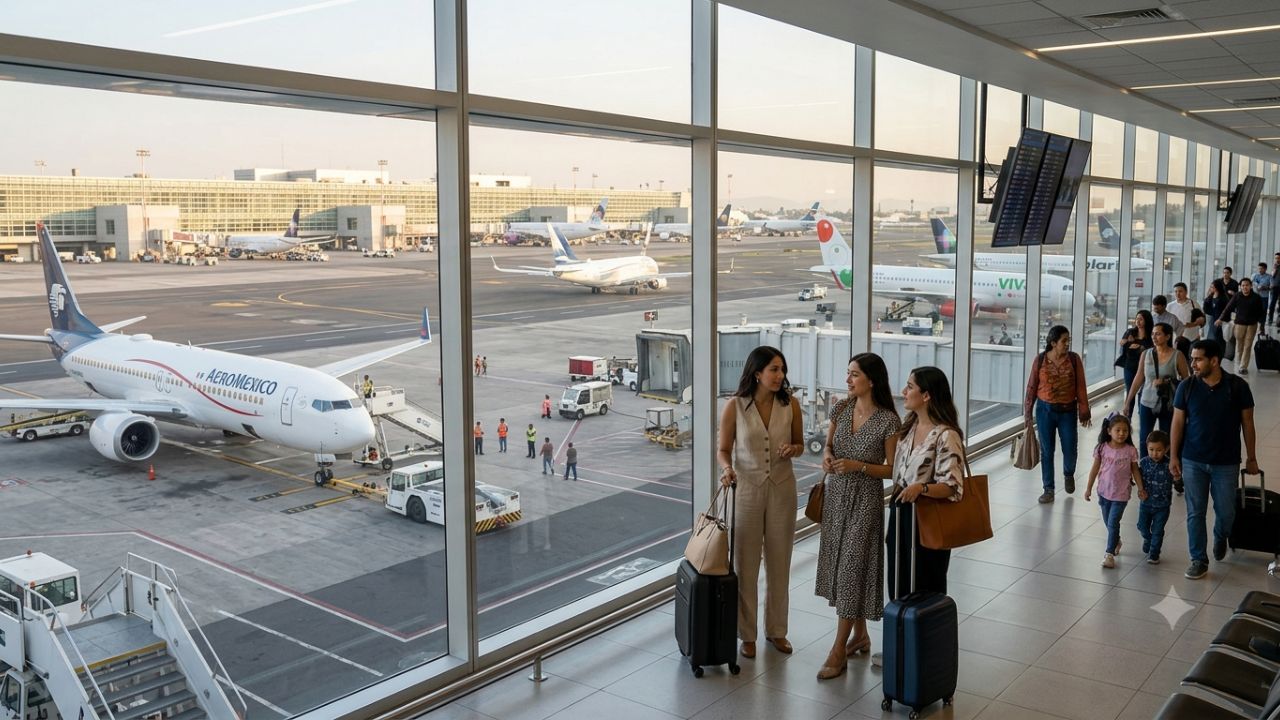
Mexico's AFAC implements stringent airport slot management guidelines at Mexico City's AICM while regional hubs like AIFA, Tulum, and Puerto Escondido absorb expanding travel demand.
Mexico's federal aviation authorities have instituted a comprehensive regulatory overhaul of airport slot allocations across the nation, placing strict operational caps on Mexico City International Airport (AICM) while catalyzing commercial traffic dispersion toward emerging regional gateways. Formalized by the Federal Civil Aviation Agency (AFAC)—the regulatory wing of the Ministry of Infrastructure, Communications and Transport (SICT)—the national slot guidelines published on 4 September 2026 establish rigorous, transparent oversight for airports operating under declared Level 3 saturation. Rather than forcing an arbitrary transfer of passenger airlines, the updated framework enforces strict scheduling discipline to curtail chronic delays in the capital, accelerating a historic redistribution of leisure and business air traffic toward Felipe Ángeles International Airport (AIFA), Tulum International Airport, and Puerto Escondido.
The regulatory realignment reflects a strategic transformation in how Mexico manages its airspace and tourist connectivity. For decades, the national aviation network remained heavily centralized around Mexico City's land-constrained Benito Juárez hub, resulting in chronic gate congestion, tarmac taxi delays, and airspace saturation. By combining strict slot adherence at AICM with aggressive infrastructure expansion across the Yucatán Peninsula and the Pacific coast—reinforced by the multimodal integration of the Maya Train—Mexico is building a more resilient, multipolar tourism corridor that connects international visitors directly with regional destinations.
The AICM Slot Squeeze: Decoding AFAC's Saturation Guidelines
Mexico City International Airport (AICM / MEX) has long served as Latin America's busiest commercial hub, handling over 45 million passengers annually across two terminals. However, its close parallel runways cannot support simultaneous independent instrument approaches, creating structural bottlenecks whenever bad weather, air traffic control congestion, or airline delays ripple through the national system.
                  ┌──────────────────────────────────────────────┐
                  │      AFAC Level 3 Slot Management (2026)     │
                  └──────────────────────┬───────────────────────┘
                                         │
         ┌───────────────────────────────┴───────────────────────────────┐
         ▼                                                               ▼
┌─────────────────────────────────┐             ┌─────────────────────────────────┐
│     Regulatory Framework        │             │    Operational Objectives       │
│ • Guidelines Issued 4 Sept 2026 │             │ • Strict Hourly Movement Caps   │
│ • Builds on August Saturation   │             │ • Eliminate Off-Slot Operations │
│ • Level 3 Saturated Designation │             │ • Enforce 80/20 Use-It-or-Lose  │
│ • Transparent Slot Coordinator  │             │ • Mitigate Tarmac Delays        │
└─────────────────────────────────┘             └─────────────────────────────────┘
The updated AFAC directives formalize standards for airports officially designated under Level 3 saturation:
- Transparent Slot Coordination: Mandates independent, non-discriminatory slot monitoring aligned with Worldwide Airport Slot Guidelines (WASG), eliminating unauthorized scheduling maneuvers.
- Enforcement of the 80/20 Rule: Airlines must operate assigned slots at least 80% of the time with punctuality, or risk forfeiting historic grandfather rights during subsequent scheduling seasons.
- Capacity Caps without Blanket Eviction: The regulations institutionalize reduced hourly movement ceilings (maintaining the cap of 43 operations per hour during peak periods), preventing carriers from adding speculative frequencies without corresponding capacity improvements.
| Slot Policy Parameter | Historic AICM Baseline | 2026 AFAC Regulatory Standard | Direct Impact on Passengers |
|---|---|---|---|
| Peak Hourly Operations | 61 hourly movements | Capped strictly at 43 operations/hour | Reduced runway queuing and fewer holding patterns |
| Saturation Classification | Ad-hoc capacity alerts | Formally declared Level 3 Saturation | Strict oversight by independent slot coordination body |
| Slot Adherence Discipline | Lenient off-slot tolerance | Enforced 80/20 historical use threshold | Fewer unannounced schedule cancellations or retimings |
| Cargo Operations | Mixed passenger and freighter | Dedicated cargo fully shifted to AIFA | Frees apron and taxiway capacity for passenger airliners |
AIFA's Strategic Ascendance: The Metropolitan Relief Valve
Located approximately 45 kilometers north of central Mexico City in Santa Lucía, Felipe Ángeles International Airport (AIFA / NLU) was constructed to absorb metropolitan aviation overflow without the physical spatial limitations of downtown AICM.
                    ┌───────────────────────────────────────────┐
                    │    Mexico City Metropolitan Dual-Airport  │
                    └─────────────────────┬─────────────────────┘
                                          │
         ┌────────────────────────────────┼────────────────────────────────┐
         ▼                                ▼                                ▼
┌──────────────────┐            ┌──────────────────┐            ┌──────────────────┐
│  AICM (MEX)      │            │  AIFA (NLU)      │            │  Ground Transit  │
│ • Central City   │            │ • Northern Hub   │            │ • Suburban Rail  │
│ • Capped at 43   │            │ • Triple Runway  │              Extension        │
│   Movements/Hr   │              Unconstrained    │            │ • Mexibús BRT    │
│ • Legacy Carriers│            │ • Leisure Growth │            │ • Express Coaches│
└──────────────────┘            └──────────────────┘            └──────────────────┘
With AICM's capacity strictly capped, AIFA has transitioned from an underutilized secondary terminal into a critical component of national airline network planning:
- Domestic Carrier Redistribution: Mexico's primary domestic carriers—Aeroméxico, Volaris, and Viva Aerobus—have expanded domestic point-to-point routes from AIFA to regional leisure capitals like Cancún, Guadalajara, Monterrey, and Tijuana.
- Modern Airfield Infrastructure: Featuring three expansive concrete runways and modern terminal halls, AIFA provides rapid aircraft turnaround times, lower passenger airport facility charges (TUA), and ample gate availability.
- Surface Transit Integration: Ground connectivity—historically AIFA's primary hurdle—is improving through dedicated express toll roads, specialized Mexibús corridors, and the extension of the suburban passenger train (Tren Suburbano) from Buenavista station, establishing sub-45-minute rail transit from downtown Mexico City.
Regional Gateways Driving Tourism Decentralization
While metropolitan airport policies dictate capital operations, Mexico’s tourism sector is benefiting from the development of non-hub regional airports that allow international travelers to bypass the capital entirely.
                   ┌─────────────────────────────────────────────┐
                   │    Regional Airport Decentralization 2026   │
                   └──────────────────────┬──────────────────────┘
                                          │
         ┌────────────────────────────────┴────────────────────────────────┐
         ▼                                                                 ▼
┌─────────────────────────────────┐             ┌─────────────────────────────────┐
│ Tulum International (TQO)       │             │ Puerto Escondido (PXM)          │
│ • Southern Riviera Maya Gateway │             │ • Oaxaca Pacific Surf Corridor  │
│ • Reduces Pressure on Cancún    │             │ • Modernized Terminal & Runway  │
│ • Direct US/Canada Flight Links │             │ • Eco-Resorts & Marine Tourism  │
│ • Multimodal Maya Train Station │             │ • Bypasses Mexico City Transit  │
└─────────────────────────────────┘             └─────────────────────────────────┘
Tulum International Airport (TQO): The Caribbean's New Cultural Gateway
Inaugurated as Felipe Carrillo Puerto International Airport, Tulum's airport represents an alternative to Cancún International Airport (CUN), which historically funneled almost all foreign visitors entering the Yucatán Peninsula:
- Direct Access to the South: International tourists bound for Tulum's boutique eco-resorts, the Sian Ka'an Biosphere Reserve, Bacalar’s Lagoon of Seven Colors, and southern archaeological ruins can land directly at TQO, eliminating the multi-hour highway transfer from Cancún.
- Rapid Airline Adoption: Major North American carriers—including American Airlines, Delta, United, Air Canada, and JetBlue—have introduced direct nonstop flights linking Tulum with Charlotte, Atlanta, Houston, Miami, and Toronto.
Puerto Escondido International Airport (PXM): The Pacific Coast Surf Haven
On the rugged southern Pacific coastline of Oaxaca, Puerto Escondido International Airport has undergone major runway expansions and terminal modernizations:
- Surf and Eco-Tourism Magnet: World-renowned for the legendary barreling waves of Zicatela Beach, gentle swimming waters at Carrizalillo, and the bohemian dining scene in La Punta, Puerto Escondido attracts surf travelers, digital nomads, and eco-tourists.
- Direct Jet Connectivity: Runway upgrades enable direct domestic and international jet operations, bypassing the arduous six-hour mountain drive from Oaxaca City and expanding non-stop air links with Mexico City, Guadalajara, and North American feeder cities.
| Regional Gateway | IATA Code | Primary Regional Territory | Signature Tourism Attractions | Transit Integration |
|---|---|---|---|---|
| Mexico City AICM | MEX | Central Mexico City | Historic Centre, Chapultepec, Polanco | Metro Line 5, Metrobús Line 4 |
| Felipe Ángeles (AIFA) | NLU | Northern Metropolitan Basin | Teotihuacán pyramids, Central Mexico | Tren Suburbano rail link, express highway |
| Tulum International | TQO | Southern Riviera Maya & Quintana Roo | Sian Ka'an, cenotes, Mayan ruins | Direct Tren Maya high-speed rail station |
| Puerto Escondido | PXM | Oaxaca Pacific Coast | Zicatela surf, Carrizalillo, Mazunte | Coastal highway, regional charter shuttles |
Multimodal Synergy: The Maya Train Enhances Regional Air Travel
A critical differentiator for Mexico’s southeastern tourism network is the symbiotic relationship between regional airports and the Maya Train (Tren Maya). Spanning over 1,550 kilometers across five southeastern states (Quintana Roo, Yucatán, Campeche, Tabasco, and Chiapas), the rail network fundamentally changes how travelers explore the region.
                    ┌───────────────────────────────────────────┐
                    │       Southeastern Multimodal Transit     │
                    └─────────────────────┬─────────────────────┘
                                          │
         ┌────────────────────────────────┼────────────────────────────────┐
         ▼                                ▼                                ▼
┌──────────────────┐            ┌──────────────────┐            ┌──────────────────┐
│ International    │            │ High-Speed Maya  │            │ Inland Cultural  │
│ Flight Inbound   │            │ Train Corridors  │            │ Exploration      │
│ • Arrive Cancún  │            │ • On-Airport     │            │ • Chichén Itzá   │
│   or Tulum (TQO) │              Station Access   │            │ • Valladolid     │
│ • Avoid Highway  │            │ • Intercity Rail │            │ • Mérida Capital │
│   Congestion     │              Frequencies      │            │ • Palenque Ruins │
└──────────────────┘            └──────────────────┘            └──────────────────┘
Rather than being tied to rental car returns at their point of entry, travelers can design flexible open-jaw regional itineraries:
- Direct Airport-to-Rail Transfers: The Maya Train features dedicated passenger stations linked directly to airport passenger terminals at both Cancún (CUN) and Tulum (TQO).
- Inland Cultural Dispersion: A traveler arriving via a direct flight into Tulum can board a train directly to explore the colonial architecture of Valladolid, tour the UNESCO World Heritage site of Chichén Itzá, and continue west toward Mérida before departing via Mérida International Airport (MID) or Cancún.
Practical Traveler Guide: Navigating Mexican Aviation in 2026
To prevent booking confusion and ensure efficient travel across Mexico's evolving airport landscape, passengers should keep several operational tips in mind:
- Distinguish Between MEX and NLU: When booking flights into Mexico City, check the airport code. MEX designates central AICM (closer to downtown hotels and business districts), while NLU designates AIFA (45 km north). Fares into AIFA are often lower, but transfer costs and journey times should be factored into overall planning.
- Evaluate Point-to-Point Regional Flights: Avoid booking domestic layovers in Mexico City whenever possible. Domestic carriers operate direct routes linking beach hubs like Cancún, Los Cabos, Puerto Vallarta, and Oaxaca directly with secondary cities, avoiding capital slot congestion.
- Leverage the Maya Train for Regional Transit: When traveling between Cancún, Playa del Carmen, and Tulum, compare the Maya Train's fixed schedules and fares against private taxi vans, which frequently charge inflated tourist rates along highway 307.
Frequently Asked Questions
What are the new AFAC airport slot rules in Mexico?
Published on 4 September 2026, the AFAC guidelines enforce strict slot management and historical 80/20 compliance at Level 3 saturated airports like Mexico City's AICM to reduce flight delays and tarmac congestion.
How does Felipe Ángeles Airport (AIFA) differ from AICM?
AIFA (NLU) is located 45 kilometers north of Mexico City with modern triple-runway capacity, lower airport fees, and expanding domestic routes, while AICM (MEX) is in the city center with tightly capped flight movements.
Which airlines fly directly into Tulum International Airport?
Major carriers including American Airlines, Delta, United, Air Canada, JetBlue, Aeroméxico, and Viva Aerobus operate direct flights connecting Tulum (TQO) with US, Canadian, and Mexican cities.
Is the Maya Train connected to Tulum Airport?
Yes. Tulum International Airport features an integrated Maya Train passenger station, providing rail transfers to Cancún, Playa del Carmen, Valladolid, and Mérida.
Related Travel Guides
- Spain's Family Tourism Boom: Switzerland and Poland Drive Multigenerational Travel Across Catalonia and Valencia in 2026
- Europe's Top 10 City Breaks for 2027: Sofia Outpaces Lisbon and Copenhagen in New Travel Rankings
- South Africa Declares New Grasslands National Park in Eastern Cape: A Landmark for Biodiversity Stewardship and Ecotourism
Disclaimer
This article is for informational and educational purposes only. It does not constitute legal, financial, or professional advice. While we strive to provide accurate and up-to-date information, travel policies, regulations, and conditions change rapidly. Always verify information with official sources before making travel decisions. Nomad Lawyer makes no representations about the accuracy, reliability, completeness, or suitability of the information provided. Readers should consult qualified professionals for advice specific to their circumstances. The views expressed in this article are those of the author and do not necessarily reflect the views of Nomad Lawyer.
Naina Thakur
Contributor & Travel Specialist
Travel enthusiast and legal writer covering visa regulations, responsible tourism, and cultural journeys across global destinations.
Learn more about our team →