
Hiroshima Loses Shanghai Direct Link as China Eastern Suspends Route: Chugoku Region Travel Guide

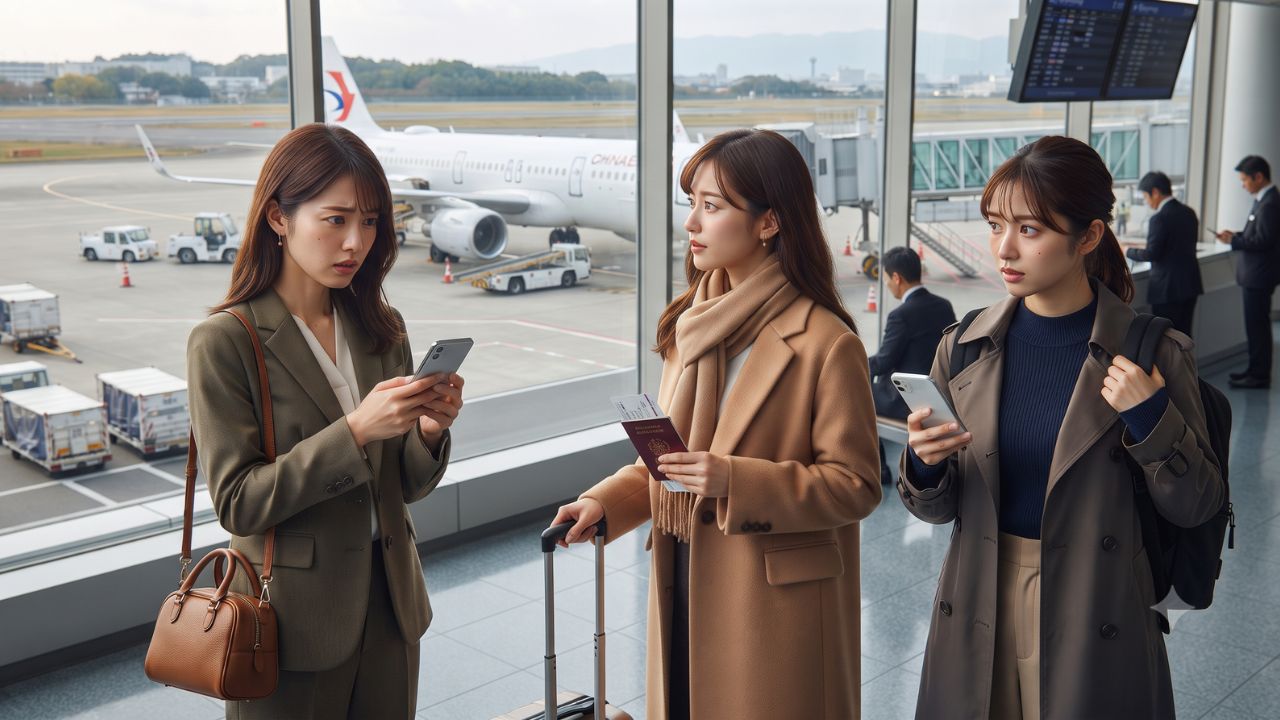
Perched on a forested mountain plateau in Mihara, nearly 50 kilometers east of the city center, Hiroshima Airport relies on a tight web of regional international air links that surprise most first-time visitors to western Japan. When China Eastern Airlines temporarily halts its nonstop service to Shanghai Pudong on 25 October 2026, Hiroshima will officially lose its sole active scheduled connection to mainland China. For independent travelers, regional explorers, and business visitors across the Chugoku region, the timetable shift closes an understated gateway that has linked the Seto Inland Sea directly to China's premier commercial hub.
China Eastern Halts Hiroshima to Shanghai Pudong Service
The suspension ends the current seasonal timetable operated by China Eastern Airlines. According to Hiroshima Airport's published schedule covering 1 September through 24 October 2026, the carrier maintained two weekly round trips connecting Hiroshima Airport (HIJ) and Shanghai Pudong International Airport (PVG). The airport’s subsequent winter schedule, running from 25 October 2026 through 31 January 2027, formally registers the route as suspended.
Because China Eastern operates this sector exclusively on Mondays and Fridays, the effective final scheduled departure before the timetable boundary falls on Friday, 23 October 2026, rather than Saturday, 24 October. The suspension removes four weekly flight sectors operated by an Airbus A321. The service has also operated under Japan Airlines codeshare identifiers JL5645 (outbound from Hiroshima) and JL5644 (inbound from Shanghai), utilizing China Eastern aircraft and flight crews.
Neither China Eastern nor civil aviation authorities have released a formal explanation addressing whether commercial load factors, operational cost pressures, or fleet deployment strategies prompted the pause. Similarly, the 31 January 2027 end date represents an administrative schedule boundary rather than a confirmed return on 1 February. Until airline officials establish an official resumption date, the route remains offline.
Mainland China Connectivity Across the Chugoku Gateway
The loss of the Shanghai route carries outsized weight because Hiroshima Airport's other mainland Chinese connections are already inactive. Scheduled routes to Dalian, as well as one-stop services to Beijing via Dalian, were marked suspended in the late summer timetable and remain suspended through 31 January 2027. With Shanghai offline, travelers seeking nonstop access between Hiroshima and mainland China face a complete operational hiatus.
Hiroshima Airport continues to host international services across East and Southeast Asia during the October-to-January period, including scheduled flights to Seoul Incheon, Cheongju, Taipei Taoyuan, Hong Kong, and Hanoi. Travelers can explore entry alternatives through the Japan National Tourism Organization to map out connecting itineraries across western Honshu.
| Route & Flight Details | Departure Time (Local) | Arrival Time (Local) | Operating Days | Scheduled Flight Duration |
|---|---|---|---|---|
| Hiroshima to Shanghai Pudong (MU294 / JL5645) | 13:30 (Japan Time) | 14:55 (China Time) | Monday | 2 hours 25 minutes |
| Hiroshima to Shanghai Pudong (MU294 / JL5645) | 13:30 (Japan Time) | 14:45 (China Time) | Friday | 2 hours 15 minutes |
| Shanghai Pudong to Hiroshima (MU293 / JL5644) | 09:30 (China Time) | 12:30 (Japan Time) | Monday & Friday | 2 hours 00 minutes |
| Operating Aircraft | Airbus A321 | Twin-engine jetliner | Monday & Friday | Two return rotations weekly |
| Current Schedule Cutoff | 24 October 2026 | Last flight: 23 Oct 2026 | Saturday boundary | Regular service ends |
| Published Suspension Window | 25 October 2026 – 31 January 2027 | Reopening unconfirmed | All days | Service suspended |
Because China observes UTC+8 while Japan observes UTC+9, calculating flight duration requires subtracting one hour from arrival times in Shanghai and adding one hour on the return leg to Hiroshima. The ten-minute scheduled difference between Monday and Friday outbound flights reflects seasonal air traffic control routing into Pudong airspace.
What Makes Regional Access to Hiroshima Distinct
Unlike Tokyo Haneda or Osaka Kansai, where multi-runway hubs process hundreds of international departures daily, Hiroshima Airport functions as an inland mountain gateway. Situated high in Mihara City, the airport connects to downtown Hiroshima via express highway limousine buses taking 45 to 50 minutes. The terminal caters to travelers exploring the Setouchi region—a serene coastal basin known for calm waters, terraced citrus orchards, and historic maritime towns.
Direct flights from Shanghai historically allowed visitors to bypass congested metropolitan gateways, landing within an hour of the world-renowned Atomic Bomb Dome and the coastal sanctuary of Miyajima. Without this direct corridor, visitors arriving from mainland China must redirect their journeys through major transit hubs like Tokyo, Kansai International Airport in Osaka, or Fukuoka Airport in northern Kyushu, continuing to Hiroshima via the high-speed Sanyo Shinkansen operated by West Japan Railway Company.
Visitor Insider Tips: Navigating Hiroshima Without Direct Shanghai Flights
- Leverage the Sanyo Shinkansen Rail Alternative: If your direct flight from Shanghai was canceled, rebook into Fukuoka Airport (FUK) or Osaka Kansai (KIX). From Hakata Station in Fukuoka, the Sanyo Shinkansen reaches Hiroshima Station in just 61 minutes on Nozomi or Mizuho bullet trains. From Shin-Osaka, the rail journey takes 80 minutes, providing a fast overland link.
- Connect Through Seoul or Hong Kong: For travelers originating in mainland China or holding international tickets through Shanghai, consider re-routing through Seoul Incheon or Hong Kong International Airport. Both hubs maintain active, direct feeder flights straight into Hiroshima Airport, allowing you to clear customs in Mihara and avoid the heavy terminal crowds of Tokyo.
- Decode Your Codeshare Ticket: If you purchased your ticket through Japan Airlines under flight numbers JL5645 or JL5644, your reservation is directly tied to the suspended China Eastern Airbus A321. Contact Japan Airlines immediately to request re-routing on alternate SkyTeam or oneworld partner flights, or re-ticketing via Tokyo Haneda.
- Time the Airport Limousine Bus Wisely: Hiroshima Airport has no direct rail station. Limousine buses depart regularly from Hiroshima Station's Shinkansen exit and the Hiroshima Bus Center in Kamiya-cho. During autumn foliage peaks in November, highway traffic along the Sanyo Expressway can add 20 to 30 minutes to travel times; plan a two-hour buffer before departure.
- Explore Okonomimura and Hatchobori After Dark: When based in Hiroshima, stay in the central Hatchobori or Hondori neighborhoods rather than near the train station. Walk to Okonomimura, a three-story building packed with dozens of independent stalls preparing authentic Hiroshima-style okonomiyaki layered with cabbage, yakisoba noodles, fried egg, and savory sweet sauce.
Cultural and Environmental Context: Preserving Heritage Along the Seto Inland Sea
Hiroshima's cultural identity balances poignant modern historical reflection with centuries-old spiritual preservation. The city draws millions of international visitors annually to the Peace Memorial Park and Genbaku Dome, inscribed as a UNESCO World Heritage site through the UNESCO World Heritage Centre. A short ferry ride across Hiroshima Bay leads to Itsukushima Shrine on Miyajima Island, renowned for its 16-meter-tall camphor-wood O-Torii gate standing directly in the tidal sea.
Tourism across the Setouchi region places a premium on sustainable environmental management. Miyajima introduced a 100-yen visitor tourist tax to fund waste reduction and maintain historical footpaths along Mount Misen, protecting wild sika deer populations and fragile coastal ecosystems. Concurrently, regional authorities are encouraging travelers to disperse beyond the central memorial district into rural artisanal towns like Saijo—celebrated for clear spring water and historic cedar-ball sake breweries—and the maritime port of Onomichi. Shifting international arrivals from regional direct flights to rail transit highlights the efficiency of Japan's electrified high-speed rail network, keeping per-passenger carbon footprints low even as international visitors traverse the Chugoku heartland.
FAQ: Traveling to Hiroshima and Connecting via Shanghai in 2026–2027
When does the Hiroshima to Shanghai flight suspension begin?
The current flight schedule concludes on 24 October 2026, with the final Friday flight operating on 23 October. The official suspension window runs from 25 October 2026 through 31 January 2027.
Are there any other direct flights between Hiroshima and mainland China?
No. Previous services to Dalian and Beijing via Dalian remain suspended. During this winter timetable, Hiroshima Airport has zero active nonstop routes connecting mainland China.
What should travelers holding JL5645 or JL5644 tickets do?
Because JL5645 and JL5644 are codeshare numbers for China Eastern flights MU294 and MU293, travelers should contact Japan Airlines or their booking agency to arrange rebooking via Tokyo or request ticket refunds.
How do international travelers reach Hiroshima during the flight pause?
Travelers can fly into Fukuoka, Osaka Kansai, or Tokyo Haneda, then transfer to the Sanyo Shinkansen high-speed bullet train, or connect to Hiroshima Airport via international flights from Seoul, Taipei, or Hong Kong.
While air routes fluctuate with seasonal winds, the enduring spirit of the Seto Inland Sea continues to welcome travelers along ancient rail and mountain corridors.
Related Travel Guides
Disclaimer
This article is for informational and educational purposes only. It does not constitute legal, financial, or professional advice. While we strive to provide accurate and up-to-date information, travel policies, regulations, and conditions change rapidly. Always verify information with official sources before making travel decisions. Nomad Lawyer makes no representations about the accuracy, reliability, completeness, or suitability of the information provided. Readers should consult qualified professionals for advice specific to their circumstances. The views expressed in this article are those of the author and do not necessarily reflect the views of Nomad Lawyer.
Kunal K Choudhary
Co-Founder & Contributor
A passionate traveller and tech enthusiast. Kunal contributes to the vision and growth of Nomad Lawyer, bringing fresh perspectives and driving the community forward.
Learn more about our team →