
AI Conferences Drive San Francisco Convention Resurgence
San Francisco is experiencing a major convention tourism boom, with technology and AI conferences accounting for nearly half of its annual events.

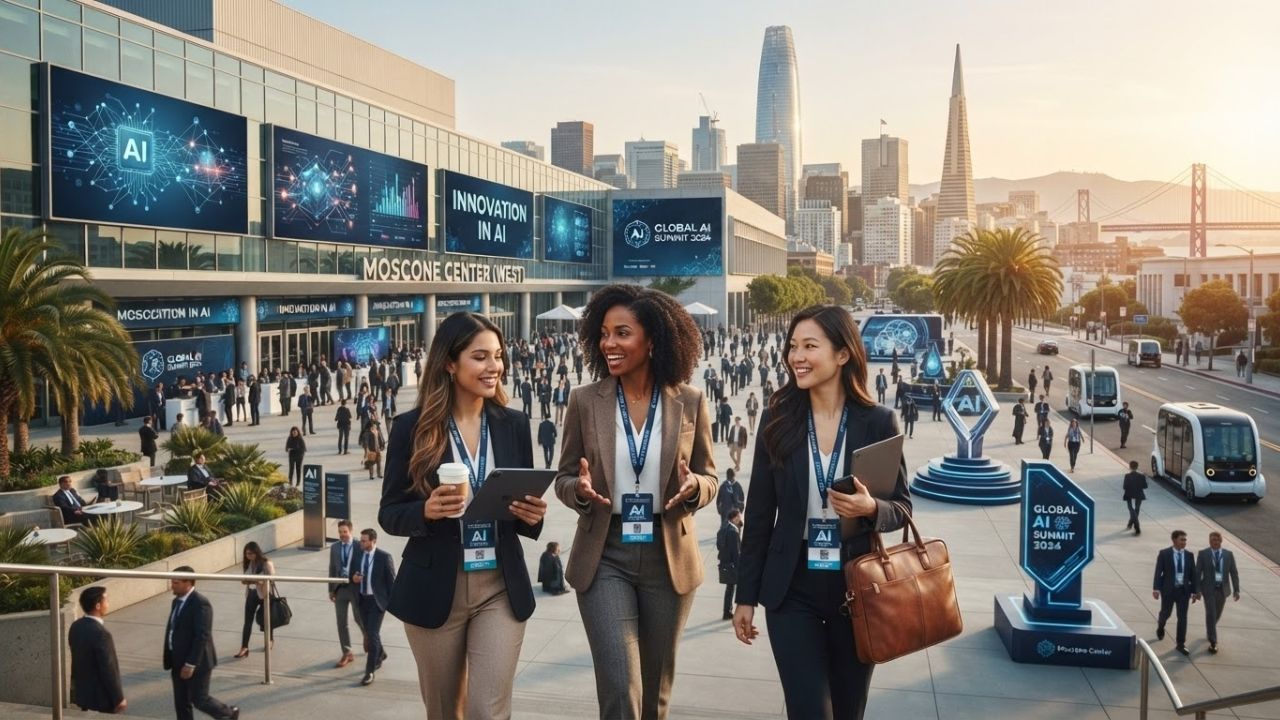
Image generated by AI
San Francisco is experiencing a massive convention tourism surge, with artificial intelligence conferences now accounting for nearly half of the city's annual major events. This rapid technology-driven expansion is driving high hotel occupancy and tightening venue availability, reshaping the regional meetings industry.
San Francisco Meeting Industry Resurgence
Our analysis of municipal travel data shows that San Francisco has transformed into a leading hub for technology-focused corporate events. Following a prolonged recovery period after the pandemic, the city is experiencing high demand for meetings and conventions, driven by the expansion of artificial intelligence firms. This growth is generating substantial economic activity across the regional hospitality, transportation, and service sectors.
Corporate event organizers are booking prime convention facilities years in advance, creating a highly competitive market for venue dates. Technology companies, backed by venture capital, are investing heavily in large-scale conference experiences, reducing date flexibility for traditional trade organizations. Consequently, hotels are experiencing predictable, year-round occupancy, helping offset slower international leisure travel recovery.
Convention Infrastructure and Travel Impact
The surge in artificial intelligence events is placing high demand on local infrastructure and regional transportation networks:
- Key Event Gateways: San Francisco International Airport (SFO) is recording increased passenger traffic, particularly on routes connecting Seattle, Austin, and New York.
- Moscone Center Dominance: The city's primary convention facility, the Moscone Center, is securing multi-year bookings for technology events, driving regional venue demand.
- Extended Hotel Stays: Corporate attendees are extending their trips before and after conferences, boosting local retail and dining spending.
- MICE Sector Competition: Tighter venue availability is forcing non-technology trade associations to plan their booking cycles earlier.
Passenger Rights & Advisory (Information Gain & Experience)
For the business traveler flying to a major technology conference, flight disruptions can result in missed sessions, lost networking opportunities, and wasted registration fees. Our analysis of corporate travel guidelines suggests professionals review their legal options:
- Event Cost Reimbursements: Under federal aviation guidelines, airlines are not legally responsible for missed conference registrations, hotel deposits, or business expenses due to flight delays.
- Corporate Insurance Protections: Professionals should verify if their companies carry corporate travel insurance featuring business trip interruption coverage, which covers non-refundable registration costs.
- Priority Rebooking Benefits: Booking business travel through a managed corporate travel management company (TMC) gives travelers higher priority for seat reassignments during flight cancellations.
- DOT Flight Refunds: Under US Department of Transportation (DOT) rules, if your flight is cancelled or delayed by more than three hours, you are entitled to a cash refund of the ticket price if you decide not to travel.
Industry Analyst View
The rapid rise of AI-focused events shows how emerging technology clusters can single-handedly revive a city's meeting and convention economy. San Francisco's proximity to venture capital networks and technology headquarters gives it a natural competitive advantage over other domestic meetings hubs.
However, the concentration of tech-focused events makes the local tourism economy highly sensitive to shifts in the technology sector. If venture capital funding slows, or if technology firms shift toward virtual events, local hotels and restaurants will face sudden drops in corporate bookings. To build long-term resilience, tourism boards must balance technology events with traditional medical, educational, and manufacturing conventions.
Related Travel Guides
Disclaimer
This article is for informational and educational purposes only. It does not constitute legal, financial, or professional advice. While we strive to provide accurate and up-to-date information, travel policies, regulations, and conditions change rapidly. Always verify information with official sources before making travel decisions. Nomad Lawyer makes no representations about the accuracy, reliability, completeness, or suitability of the information provided. Readers should consult qualified professionals for advice specific to their circumstances. The views expressed in this article are those of the author and do not necessarily reflect the views of Nomad Lawyer.
Kunal K Choudhary
Co-Founder & Contributor
A passionate traveller and tech enthusiast. Kunal contributes to the vision and growth of Nomad Lawyer, bringing fresh perspectives and driving the community forward.
Learn more about our team →