
Cultural Rhythms: Five Mexican Cities Reveal Changing Identities
Mexican destinations like Mexico City and Oaxaca shift from quiet morning food markets to vibrant night-time street performances.

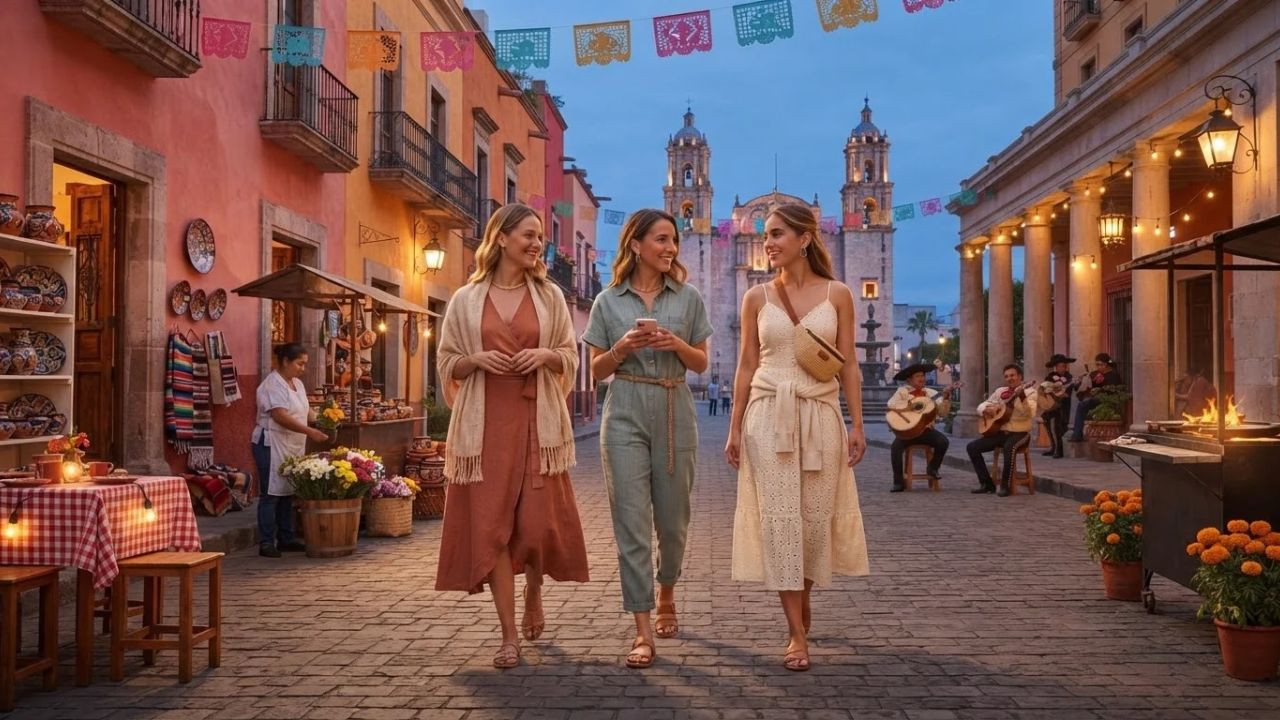
Image generated by AI
Mexican destinations like Mexico City and Oaxaca shift from quiet morning food markets to vibrant night-time street performances. Tourism boards emphasize that timing is a key factor in exploring these cultural hubs.
The Rise of Time-Based Destination Exploration
A major trend in urban travel is the rise of the time-based itinerary, where visitors focus on how a city's character changes throughout a single day. Historically, destination marketing focused on static attractions, encouraging tourists to check off museums, monuments, and parks from a fixed list regardless of the hour. In 2026, travelers prioritize experiential journeys, choosing walkable neighborhoods that shift from quiet morning cafes to lively evening street shows.
By aligning their activities with the local climate and daily habits of residents, travelers experience a more authentic version of the city. This slow travel approach supports neighborhood economies, spreading tourist spending across morning market stands, afternoon galleries, and evening musical cantinas.
Five Flagship Cities and Their Day-to-Night Transitions
Each featured city presents a distinct daily rhythm shaped by climate, history, and local culture:
- Mexico City (Multi-Neighborhood Transitions): Starts with morning walks in the Historic Centre (Zócalo), moves to afternoon museum visits in Chapultepec, Roma, or Condesa, and shifts to southern canal rides in Xochimilco or walking tours in Coyoacán. Evening brings dining and late-night gallery programs.
- Oaxaca (Sensory & Culinary Shift): Begins with traditional breakfasts at Mercado 20 de Noviembre, transitions to afternoon ruins tours at Monte Albán (Zapotec history), and moves to evening social hours in local plazas and mezcal bars.
- Guanajuato (Visual Maze to Night Stage): Features daytime views of colorful homes, Teatro Juárez, and the Callejón del Beso. After dark, historic alleys host the callejoneada, where estudiantina musicians lead walking tours filled with song and storytelling.
- Mérida (Climate-Controlled Routine): Morning is spent exploring markets in the historic center before the heat rises. Afternoons are quiet in museums or cantinas along Paseo de Montejo, followed by cool evening events like the Noche Mexicana.
- Guadalajara (Markets to Mariachi): Starts in historic plazas and the San Juan de Dios market. Afternoons are spent in art galleries, transitioning to evening mariachi performances at El Parián in Tlaquepaque.
These rhythms allow visitors to experience multiple layers of local identity in a single day.
Mexican Destination Cultural Rhythms
The table below breaks down the five cities, key morning attractions, afternoon cultural focus, night-time activities, and regional tourism secret coordinates:
| City Destination | Morning Local Base | Afternoon Cultural Focus | Night-time Activity | Regional Tourism Vibe | Primary Tourism Board |
|---|---|---|---|---|---|
| Mexico City | Zócalo Historic Centre | Coyoacán & Xochimilco canals | Modern dining & late museums | Multi-neighborhood rhythm | Mexico City Promotion Fund |
| Oaxaca | Mercado 20 de Noviembre | Monte Albán Zapotec ruins | Mezcal bars & plaza social | Sensory culinary paths | Oaxaca State Tourism Board |
| Guanajuato | Panoramic hill viewpoints | Teatro Juárez & Kiss Alley | Callejoneada musical walks | Alleys turned into stages | Guanajuato Tourism Secretariat |
| Mérida | Historic center food stalls | Paseo de Montejo cantinas | Noche Mexicana folklore | Climate-controlled timing | Yucatan Tourism Board |
| Guadalajara | Plaza parks & cafes | San Juan de Dios market | Mariachi at El Parián | Jalisco cultural heritage | Jalisco Secretariat of Tourism |
These coordinates outline the cities, bases, focuses, activities, vibes, and boards established for the regional travel market.
Resource Stewardship and Community Heritage Support
For the traveler, the benefit of choosing walking tours or using public transit (such as Mexico City's metro system) is the reduction in carbon emissions across dense urban areas. Patronizing family-run food stalls at Mercado 20 de Noviembre keeps tourism dollars within the community.
Additionally, respecting local rules in protected archaeological zones like Monte Albán preserves ancient Zapotec structures. Supporting local musicians, such as Guanajuato's estudiantinas, helps preserve centuries-old storytelling traditions.
For comparison, you can explore the changing dynamics of Stimulus Launch: Taiwan Unveils Billion-Dollar Repeat Visitor Rewards to see how destinations promote visitor spend. For transit updates, comparing travel scheduling matches other networks, such as Medical Tourism: Americans Choose Spain and Greece for IVF updates. This trend is similar to the tourism growth seen in other destinations, as detailed in our guide on how Utica, New York Emerges as an Affordable Northeast Tourism Hub.
Visitor Insider Tips: Planning a Day-to-Night Itinerary
If you are planning a trip to these Mexican cities, keep these practical tips in mind:
- Join a Callejoneada in Guanajuato: Book tickets for an evening alley walk with estudiantina musicians to experience the city's oral history.
- Visit Oaxaca Markets for Breakfast: Arrive at Mercado 20 de Noviembre by 8:00 AM to sample fresh hot chocolate, tlayudas, and grilled meats.
- Aclimate to Mérida's Noon Heat: Plan indoor museum visits or a long lunch in a shaded cantina between 1:00 PM and 4:00 PM when temperatures peak.
- Explore Xochimilco in the Afternoon: Rent a colorful canal boat (trajinera) in the afternoon for a more relaxed cruise before the evening rush.
- Hear Mariachi at El Parián: Head to Tlaquepaque in Guadalajara during the evening to dine while listening to live mariachi bands.
Long-Term Outlook for Mexican Tourism
The long-term outlook for transit in Mexican cities is focused on expanding low-emission public bus networks, introducing pedestrian-only corridors in historic zones, and developing regional digital event calendars. As traveler interest in slow, culturally immersive trips remains high, municipal agencies will cooperate to preserve historic architecture.
By protecting local traditions and supporting community markets, the travel sector aims to build a sustainable destination network.
FAQ
What is a callejoneada in Guanajuato?
It is a traditional evening walking tour through Guanajuato's historic alleys led by estudiantina musicians who perform songs and tell stories.
When is the best time to explore Mérida?
Due to the hot Yucatan climate, the optimal times are the cooler morning hours for markets and late evenings for outdoor cultural events along Paseo de Montejo.
What is Monte Albán?
Monte Albán is a major archaeological site located near Oaxaca City, serving as the ancient Zapotec capital.
Where can I hear mariachi music in Guadalajara?
El Parián in the Tlaquepaque neighborhood is a famous destination for live mariachi performances and traditional dining.
Stay updated on the regional travel regulations and cultural events shaping Mexico tourism.
Related Travel Guides
Disclaimer
This article is for informational and educational purposes only. It does not constitute legal, financial, or professional advice. While we strive to provide accurate and up-to-date information, travel policies, regulations, and conditions change rapidly. Always verify information with official sources before making travel decisions. Nomad Lawyer makes no representations about the accuracy, reliability, completeness, or suitability of the information provided. Readers should consult qualified professionals for advice specific to their circumstances. The views expressed in this article are those of the author and do not necessarily reflect the views of Nomad Lawyer.
Raushan Kumar
Founder & Lead Developer
Full-stack developer with 11+ years of experience and a passionate traveller. Raushan built Nomad Lawyer from the ground up with a vision to create the best travel and law experience on the web.
Learn more about our team →