
Metro Noida Centre Turns Down Greater Noida West Expansion DPR
India's Union Ministry of Urban Development rejects Greater Noida Metro DPR in 2026. Centre demands fresh independent report, delaying crucial corridor expansion plans affecting regional connectivity.

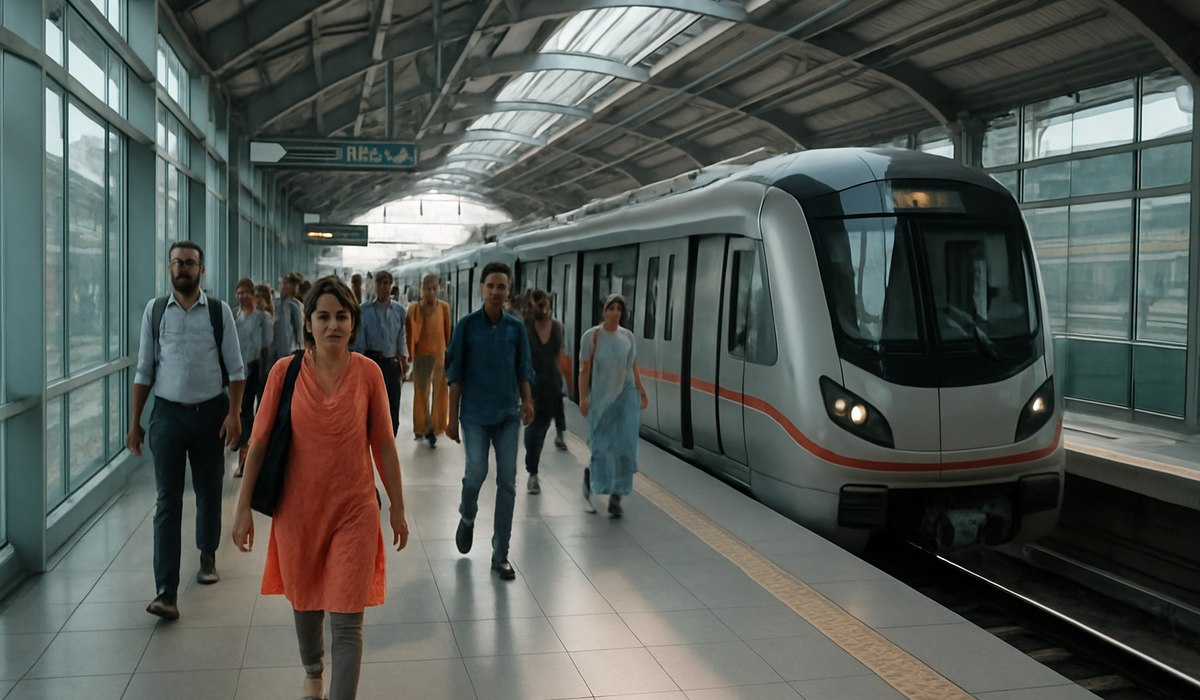
Image generated by AI
India's Metro Noida Centre Rejects Greater Noida West Corridor DPR
The Union Ministry of Urban Development has officially rejected the revised Detailed Project Report (DPR) for the Greater Noida West Metro corridor expansion, citing significant procedural and technical shortcomings. The ministry's rejection marks another critical setback for one of India's most anticipated metropolitan transit projects, which aims to enhance connectivity across the National Capital Region.
Officials confirmed that the revised submission failed to meet independence standards required for infrastructure projects of this scale. The Centre has now mandated a completely fresh DPR from independent consultants, extending timelines for this vital transport corridor that connects several high-density residential and commercial zones in Greater Noida.
Centre's Rejection and Key Objections
The metro noida centre ministry identified multiple concerns with the previously submitted report. Procedural violations included inadequate stakeholder consultation and insufficient environmental impact assessments. Technical objections focused on alignment discrepancies, capacity calculations, and station placement optimization.
The rejection emphasizes the government's commitment to maintaining rigorous standards for public infrastructure projects. Officials stated the revised DPR lacked genuine independence from the executing agency, undermining the report's credibility for decision-making at the highest levels.
Cost estimations in the previous submission were also questioned, raising concerns about project viability and budget allocation sustainability. The ministry required detailed geological surveys and updated demographic data reflecting current urbanization patterns in Greater Noida West. These specifications ensure that the metro noida centre expansion genuinely serves projected passenger demand over its operational lifespan.
For more details on metro project governance, visit the Ministry of Urban Development's official portal.
Impact on Greater Noida Metro Expansion Plans
The rejection directly affects millions of commuters depending on reliable transit infrastructure across the National Capital Region. Greater Noida West hosts significant IT parks, educational institutions, and residential complexes requiring enhanced connectivity. The delayed metro noida centre project impacts property development timelines and business expansion plans throughout the region.
Construction timelines have now shifted indefinitely pending the fresh DPR's completion and subsequent approval phases. Real estate investors and commercial stakeholders face uncertainty regarding infrastructure development sequencing. The broader Greater Noida Metro network expansion becomes contingent on resolving these procedural challenges.
Regional connectivity initiatives across Uttar Pradesh are experiencing ripple effects. Commuters currently relying on bus services and private vehicles face continued congestion until metro infrastructure becomes operational. This delay particularly affects daily travelers between Greater Noida and central Delhi, where journey times currently exceed ninety minutes during peak hours.
What Happens Next: Fresh DPR Requirements
The ministry has mandated comprehensive independent consultant engagement for preparing the new report. This requirement ensures credibility and technical rigor throughout the planning process. Consultants must conduct fresh baseline surveys, stakeholder interviews, and feasibility analyses from scratch.
Environmental clearance procedures will restart simultaneously with the fresh metro noida centre DPR preparation. The independent team must address all previously raised objections systematically while introducing innovations in project design. Timeline estimates suggest the fresh DPR could take twelve to eighteen months from initial engagement.
The executing authority must establish transparent communication channels with affected communities during this period. Public hearings and feedback sessions will form integral components of the revised planning process. Cost-benefit analyses must demonstrate economic viability and justify government investment in this critical corridor expansion.
Stakeholder coordination between municipal authorities, state government, and central ministries requires structured mechanisms. Regular progress reviews will monitor compliance with ministry directives. The fresh DPR will need approval from multiple agencies before construction can commence.
Timeline and Regional Connectivity Implications
| Aspect | Details |
|---|---|
| Project Name | Greater Noida West Metro Corridor Expansion |
| Rejecting Authority | Union Ministry of Urban Development |
| Rejection Date | April 2026 |
| Primary Issue | Procedural violations and lack of report independence |
| Required Action | Fresh independent DPR preparation |
| Estimated Duration | 12-18 months for new DPR completion |
| Affected Region | Greater Noida West and surrounding NCR areas |
| Expected Corridor Length | 20+ kilometers (subject to new DPR confirmation) |
| Projected Passenger Capacity | To be recalculated in fresh metro noida centre report |
| Current Transit Status | Bus and private vehicle dependent |
The metro noida centre expansion holds critical importance for the National Capital Region's transportation infrastructure. Connectivity between Greater Noida and central Delhi remains underdeveloped relative to population growth. The delayed project impacts residential property values and commercial establishment decisions throughout Greater Noida West.
Regional employment patterns show significant daily commuter flows from Greater Noida to Gurugram and Delhi. Enhanced metro connectivity would substantially reduce commute times and transport costs. The expansion aligns with national urbanization goals and smart city initiatives across Uttar Pradesh.
How to Book the Best Fare
While metro service expansion undergoes review, existing transportation options remain available for commuters. Current ticket systems operate through traditional booking channels and digital platforms. Commuters should explore integrated mobility solutions combining metro, bus, and ride-sharing services.
Pre-planning journeys through Google Maps and transit apps helps identify optimal route combinations. Many commuters benefit from monthly passes offering substantial savings compared to daily ticketing. Employer-sponsored transit benefits may provide additional discounts on available transportation modes.
Digital payment platforms enable seamless fare transactions across multiple transit operators. Peak hour travel advisories help commuters select less congested departure times. Combining different transport modes often provides cost-effective solutions until the metro noida centre expansion becomes operational.
For existing metro services in the region, visit DMRC's official booking portal and explore integrated ticketing options through Trainline for comprehensive journey planning assistance.
What This Means for Travelers
The rejected metro noida centre DPR creates immediate implications for Greater Noida commuters and visitors:
-
Extended Journey Times: Expect continued reliance on buses and private vehicles for at least 12-18 additional months while new DPR preparation progresses.
-
Alternative Route Planning: Research multi-modal journey combinations using existing metro lines, bus services, and ride-sharing platforms for optimized travel efficiency.
-
Peak Hour Strategies: Adjust travel timing to avoid congestion bottlenecks on existing transportation corridors during morning and evening rush periods.
-
Future Planning: Monitor ministry announcements regarding fresh DPR progress to anticipate upcoming infrastructure improvements affecting your commute route.
-
Digital Solutions: Utilize real-time transit tracking applications to minimize wait times and identify efficient transportation combinations.
-
Cost Optimization: Invest in monthly travel passes and employer transit benefits maximizing savings during this extended infrastructure development phase.
Frequently Asked Questions
Why did the Union Ministry reject the Greater Noida Metro DPR?
The ministry identified procedural violations including inadequate stakeholder consultation, insufficient environmental assessments, and lack of genuine report independence. The revised DPR failed to meet government standards for major infrastructure projects, requiring a completely fresh report from independent consultants.
How long will the fresh DPR preparation take?
Government officials estimate 12-18 months for completing the new independent DPR after consultant engagement. This timeline includes baseline surveys, feasibility analyses, stakeholder consultations, and technical design work. Subsequent approval phases will extend the total project timeline further.
What commute options exist during the DPR revision period?
Travelers can utilize existing Delhi Metro connections, NOIDA bus rapid transit services, and private vehicles. Multi-modal journey combinations often provide reasonable alternatives. Digital transit apps help identify optimal routing and scheduling during this extended infrastructure transition.
Will the metro noida centre expansion cost more due to delays?
Disclaimer
This article is for informational and educational purposes only. It does not constitute legal, financial, or professional advice. While we strive to provide accurate and up-to-date information, travel policies, regulations, and conditions change rapidly. Always verify information with official sources before making travel decisions. Nomad Lawyer makes no representations about the accuracy, reliability, completeness, or suitability of the information provided. Readers should consult qualified professionals for advice specific to their circumstances. The views expressed in this article are those of the author and do not necessarily reflect the views of Nomad Lawyer.
Raushan Kumar
Founder & Lead Developer
Full-stack developer with 11+ years of experience and a passionate traveller. Raushan built Nomad Lawyer from the ground up with a vision to create the best travel and law experience on the web.
Learn more about our team →