
Memphis Japan Festival 2026: Cultural Diplomacy, Martial Budo, and Travel Logistics at Memphis Botanic Garden
The Memphis Japan Festival returns to Memphis Botanic Garden on Sunday, 1 November 2026, pairing traditional taiko, budo arts, and street food with consular diplomacy.

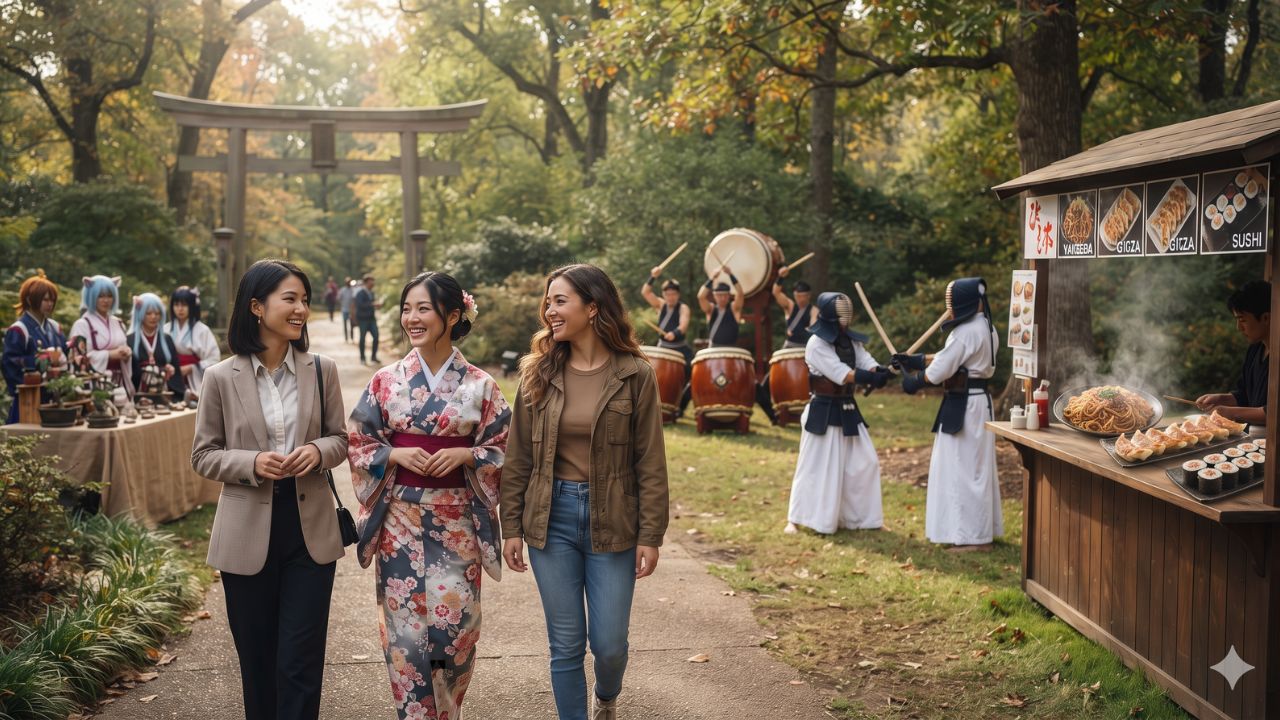
With admission priced at an accessible $12 for adults and $7 for students and children, the 2026 Memphis Japan Festival brings a concentrated six-and-a-half-hour showcase of international culture to the Radians Amphitheater inside Memphis Botanic Garden on Sunday, 1 November 2026. Scheduled from 9:30 am to 4:00 pm as an outdoor, rain-or-shine production, the event is organized by the Japan-America Society of Tennessee with formal institutional backing from the Consulate-General of Japan in Nashville. Set against the autumn grounds of Audubon Park in East Memphis, the gathering transforms one of Tennessee's leading botanical properties into a multi-generational hub of bilateral arts, traditional disciplines, and modern street aesthetics.
Supported by state promotional networks through the Tennessee Department of Tourist Development, the festival expands the city’s travel identity beyond its storied heritage in rock 'n' roll, soul music, and championship barbecue. By connecting the Mid-South directly to East Asian cultural diplomacy, the one-day gathering draws regional road-trippers, academic contingents, martial arts practitioners, and culinary travelers from across Tennessee, Arkansas, and Mississippi.
Cultural Diplomacy and Mid-South Heritage: The Japan-America Society and Consular Framework
The programmatic depth of the Memphis Japan Festival reflects decades of sustained bilateral trade and cultural ties across Tennessee. Rather than functioning as a commercial carnival, the festival operates under an educational charter designed to foster genuine cultural exchange. The presence of the Consulate-General of Japan in Nashville as an official exhibitor underscores the civic importance of the event, linking regional tourism directly to municipal diplomacy and Japanese community relations.
A central element of the festival’s operational design is its interactive framework. Guests are encouraged to participate directly rather than merely observe from the sidelines. Academic partners provide foundational cultural programming throughout the day. The University of Memphis Japanese Programme coordinates educational language workshops and hands-on demonstrations, while the University of Central Arkansas Japanese Club organizes traditional games, including classic goldfish scooping.
Literary and folkloric traditions occupy a prominent space on the festival schedule through kamishibai storytelling. This traditional Japanese narrative performance employs illustrated paper boards set inside a wooden theatrical frame to convey historical legends and moral folktales to young audiences. Alongside storytelling, the Memphis Bonsai Society curates specialized displays demonstrating the patient horticultural craft of growing and shaping miniature trees, establishing a seamless physical dialogue with the permanent Japanese Garden situated inside the 96-acre grounds of Memphis Botanic Garden.
Performance Schedules, Martial Budo Demonstrations, and Culinary Architecture
Stage entertainment at the Radians Amphitheater anchors the festival schedule with high-tempo kinetic arts and acoustic traditions. Headlining the musical program is St. Louis Osuwa Taiko, an acclaimed ensemble established in 1986 that stands as one of the oldest continuously operating taiko drumming organizations in the United States. The physical precision, synchronized percussion, and thunderous reverberations of the ensemble's drums provide the sonic backbone of the afternoon.
The wider concert lineup blends contemporary Japanese rock, folk, and street performance. The stage roster features Billy Morokawa, Kazha, Nozomi, Synonymix!, and The Skalors, alongside a special appearance by Masaji Terasawa, widely celebrated by attendees as "The Candyman" for his theatrical candy-sculpting demonstrations. Bridging pop subcultures and historic costuming, the festival stages a dedicated Cosplay and Lolita Fashion Show, inviting youth and adult creators to showcase elaborate character portrayals drawn from anime, manga, and video games alongside the intricate, Victorian-inspired street tailoring of Tokyo's Harajuku district.
The festival’s athletic and combat demonstrations highlight centuries of classical Japanese budo. Participating dojos and regional organizations present continuous demonstrations throughout the day:
- Memphis Kendo Association & Memphis Kendo and Iaido Club: Showcasing armored swordsmanship with bamboo shinai, alongside iaido’s disciplined katas focused on drawing and striking with extreme mental composure.
- Memphis Classical Budo Club & Mid South Aikido: Demonstrating non-violent redirection techniques, fluid evasions, and traditional joint locks.
- Memphis Goju-ryu Karate: Displaying hard-and-soft striking forms, structural blocks, and power katas.
- TN Sumo: Providing heavy-contact exhibitions of Japan's ancient national wrestling discipline, paired with interactive sumo-suit wrestling matches where children and parents can compete safely on padded mats.
The culinary concessions assembled across the amphitheater concourse balance authentic Japanese street food with regional Mid-South Asian-fusion cuisine:
| Operational Parameter / Category | Program Offerings & Menu Selections | Featured Groups & Presenters | Logistical & Visitor Access Details |
|---|---|---|---|
| Stage & Sonic Performances | Taiko drumming, rock, folk, anime pop, candy sculpture | St. Louis Osuwa Taiko, Billy Morokawa, Kazha, Nozomi, Synonymix!, The Skalors, Masaji Terasawa | Radians Amphitheater stage; performances run continuously between 9:30 am and 4:00 pm |
| Budo & Combat Demonstrations | Kendo, iaido, aikido, goju-ryu karate, competitive sumo | Memphis Kendo, Memphis Classical Budo Club, Mid South Aikido, Memphis Goju-ryu Karate, TN Sumo | Dedicated martial arts pavilion; scheduled combat bouts, form katas, and spectator Q&A |
| Interactive Cultural & Family Arts | Kamishibai storytelling, cosplay parade, goldfish scooping | University of Memphis Japanese Programme, UCA Japanese Club, Memphis Bonsai Society | Family activity zones; Lolita fashion walk, miniature bonsai displays, sumo-suit challenges |
| Traditional & Quiet Tea Sanctuary | Complimentary green tea, Japanese rice crackers, sweets | Tea House Edo cultural stewards | Located adjacent to permanent Japanese Garden; calm retreat from amphitheater sound |
| Culinary & Concession Street Stalls | Gyoza, karaage, yakisoba, katsu curry, tonkatsu, tempura | Local regional vendors; Japanese, Thai, Filipino, and Korean food partners | Cashless payments only; savory rice bowls, sushi burritos, milk bread, matcha lemonade, gelato |
| Ticketing & Admission Framework | Adults: US$12 / Seniors (62+): US$10 / Students & Kids: US$7 | Memphis Botanic Garden and Japan-America Society of Tennessee | Children under 2 free; MBG members free; wristbands allow same-day in-and-out re-entry |
| Transit, Shuttle & Vehicle Parking | Primary lot: Audubon Driving Range / Overflow: Bloch Park | Memphis Botanic Garden transit and shuttle team | Free vehicle parking in North Lot; free continuous tram shuttle service from Bloch Park |
Concessions feature savory staples such as crisp gyoza dumplings, marinated chicken karaage, wok-fried yakisoba noodles, breaded tonkatsu cutlets with Japanese katsu curry, teriyaki rice bowls, sushi burritos, and crisp tempura. Beverage and dessert stations serve authentic matcha in multiple formats, including blended matcha smoothies, iced matcha lemonade, Japanese milk bread pastries, and Japanese-style gelato. Additionally, regional food vendors incorporate Filipino, Thai, and Korean specialties, creating a comprehensive Asian culinary showcase. For those seeking quiet contemplation, Tea House Edo provides complimentary Japanese green tea, traditional rice crackers, and sweets away from the amplified sound of the main bowl.
Expert Analysis: Diplomatic Soft Power, Regional Automotive Supply Chains, and Cashless Venue Operations
The strategic importance of the Memphis Japan Festival extends far beyond a pleasant weekend outing. The festival functions as a public-facing pillar of Tennessee's extensive economic and diplomatic partnership with Japan.
Over the past four decades, Tennessee has become one of the premier hubs of Japanese foreign direct investment in North America. The state hosts major industrial headquarters and manufacturing complexes, including Nissan North America’s corporate campus in Franklin and assembly facility in Smyrna, Bridgestone Americas’ corporate base in Nashville, and extensive Denso automotive parts operations in Maryville and Athens. Over 200 Japanese-owned facilities operate statewide, employing more than 50,000 Tennessee residents.
For travelers booking this route, the direct consequence of this diplomatic and industrial alliance is access to an unusually authentic cultural showcase supported directly by consular authorities. The backing of the Consulate-General of Japan in Nashville ensures that cultural representations—from classical budo katas to municipal tea ceremonies—adhere to rigorous standards of authenticity rather than commercialized caricature.
The pricing pressure this creates establishes an industry benchmark for mid-sized metropolitan cultural events. By maintaining adult admission at an exceptionally affordable $12—with student and child tariffs capped at $7 and complete fee waivers for toddlers and garden members—the organizers remove economic barriers to cultural literacy. In contrast to major commercial comic conventions or private food festivals that routinely charge upwards of $40 to $60 for entry before concession purchases, Memphis Botanic Garden leverages philanthropic and consular sponsorships to deliver high-yield public programming.
From an operational standpoint, the venue's logistical execution addresses high crowd density through structured visitor management:
- Strict Cashless Protocol: Admission ticketing is entirely cashless, accepting only credit cards, debit cards, and mobile payments. Because no automated teller machines exist on site, attendees must arrive with electronic payment instruments.
- Wristband Credentialing: Admission wristbands allow unlimited same-day egress and re-entry, giving visitors flexibility to explore broader East Memphis dining or return for late afternoon headliners.
- Dual-Zone Parking Strategy: To prevent traffic bottlenecks along Cherry Road and Park Avenue, primary free parking is allocated to the North Lot at the Audubon Driving Range. When full, an automated overflow routing system directs vehicles to the Richard and Annette Bloch Cancer Survivors Park, where free, continuously operating tram shuttles transfer guests directly to the garden gates.
Key Takeaways
- Event Date and Timing: The Memphis Japan Festival takes place on Sunday, 1 November 2026, operating continuously from 9:30 am to 4:00 pm rain or shine at the Radians Amphitheater inside Memphis Botanic Garden.
- Diplomatic and Institutional Leadership: Presented by the Japan-America Society of Tennessee and supported by the Consulate-General of Japan in Nashville, highlighting deep Japanese corporate and civic partnerships in Tennessee.
- Diverse Performance Roster: Features four-decade veteran ensemble St. Louis Osuwa Taiko, live musical acts, martial arts groups (kendo, aikido, karate, sumo), kamishibai storytelling, and a Cosplay and Lolita Fashion Show.
- Accessible Cashless Pricing: Admission is strictly cashless at $12 for adults, $10 for seniors aged 62 and older, $7 for students and children aged 2 to 12, and free for children under 2 and garden members.
- Free Parking and Shuttles: Free parking is provided at the North Lot (Audubon Driving Range) with free tram shuttle service connecting overflow traffic from Richard and Annette Bloch Cancer Survivors Park.
FAQ: Memphis Japan Festival 2026
What are the dates and operating hours for the Memphis Japan Festival in 2026?
The festival takes place on Sunday, 1 November 2026. The gates and all performance stages operate from 9:30 am to 4:00 pm outdoors, rain or shine.
What is the ticket price and can I pay with cash at the gate?
Adult admission is $12, seniors 62 and older pay $10, students and children aged 2 to 12 pay $7, while children under 2 and members enter free. Admission is strictly cashless; no cash or on-site ATMs are available.
Where can visitors park for the Memphis Japan Festival?
Free parking is available at the North Lot at Audubon Driving Range. When full, free overflow parking and continuous tram shuttles operate from the Richard and Annette Bloch Cancer Survivors Park.
Can attendees leave the festival and return later in the day?
Yes. Admission wristbands distributed upon gate check-in allow visitors to exit and re-enter the Memphis Botanic Garden grounds freely throughout the festival's operating hours.
By uniting centuries-old taiko rhythms, samurai martial traditions, and contemporary street creativity beneath the autumn canopy of East Memphis, the festival demonstrates how bilateral diplomacy enriches regional travel.
Related Travel Guides
Disclaimer
This article is for informational and educational purposes only. It does not constitute legal, financial, or professional advice. While we strive to provide accurate and up-to-date information, travel policies, regulations, and conditions change rapidly. Always verify information with official sources before making travel decisions. Nomad Lawyer makes no representations about the accuracy, reliability, completeness, or suitability of the information provided. Readers should consult qualified professionals for advice specific to their circumstances. The views expressed in this article are those of the author and do not necessarily reflect the views of Nomad Lawyer.
Kunal K Choudhary
Co-Founder & Contributor
A passionate traveller and tech enthusiast. Kunal contributes to the vision and growth of Nomad Lawyer, bringing fresh perspectives and driving the community forward.
Learn more about our team →