
Meghalaya Expands Homestay Network to Drive Inclusive Tourism Through 2027
Meghalaya launches major homestay expansion targeting 3,000 new accommodations and 15,000 jobs by 2028. The initiative positions local families as tourism leaders ahead of the 2027 National Games.

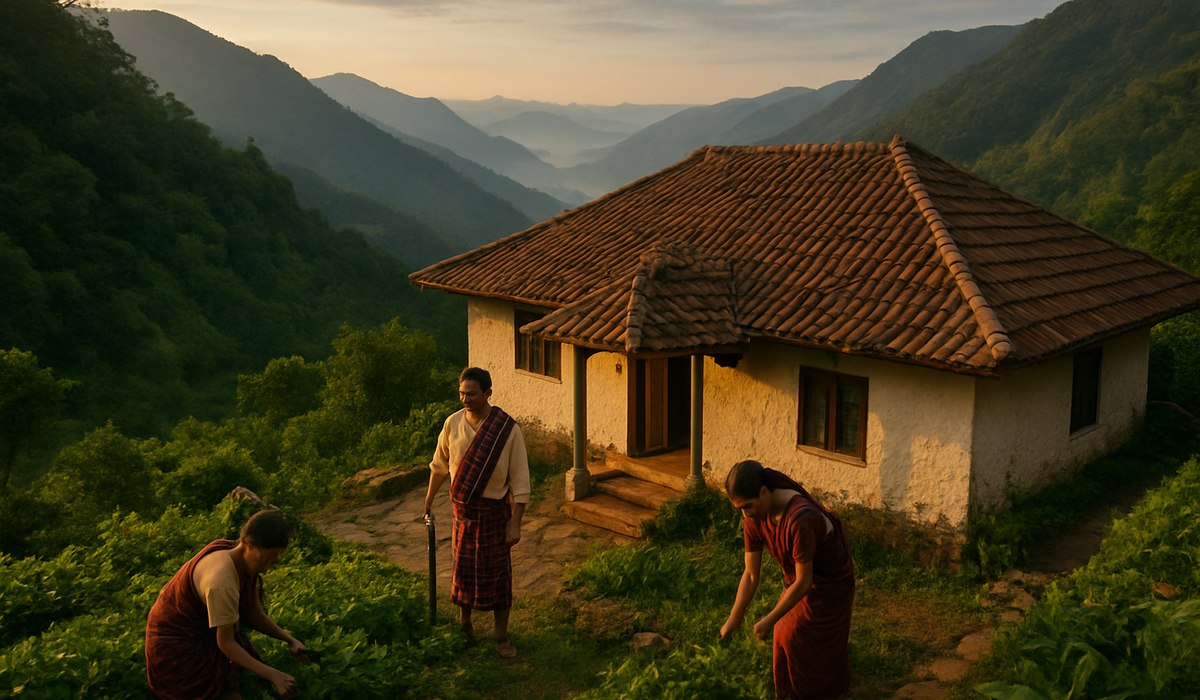
Image generated by AI
Meghalaya Launches Major Homestay Expansion to Boost Local Tourism Economy
Meghalaya is substantially scaling its homestay network, announcing plans to develop 3,000 new homestays and generate 15,000 employment opportunities by 2028. This ambitious expansion builds on the northeastern Indian state's 2023 Homestay Scheme, transforming how travelers experience its pristine landscapes while empowering rural families. The initiative positions Meghalaya's homestay expansion as a cornerstone strategy for inclusive tourism growth leading into the 2027 National Games.
The state government recognizes that family-run accommodations create authentic travel experiences while distributing tourism revenue directly to grassroots communities. Rather than concentrating hospitality infrastructure in urban centers, this decentralized approach ensures that remote villages and rural entrepreneurs access tourism opportunities. The homestay network directly addresses travel industry demands for personalized, culturally immersive stays that mass tourism cannot provide.
Scaling Success: From 2023 Pilot to 3,000 Homestays
Meghalaya's earlier Homestay Scheme launched in 2023 demonstrated proof of concept for distributed accommodation models. Initial phases showed strong demand from domestic and international travelers seeking authentic connections with local cultures. This early success validated the business case for expanded investment in family-operated hospitality infrastructure across the state.
The current expansion leverages lessons from the pilot phase, refining training modules, certification processes, and support systems. State tourism authorities have developed streamlined registration pathways that reduce bureaucratic friction for aspiring homestay operators. Marketing initiatives highlight Meghalaya's unique selling propositions—its misty hills, waterfalls, and matrilineal Khasi culture—positioning the homestay network as the preferred accommodation choice for conscious travelers.
Growth targets reflect realistic scaling timelines based on actual demand indicators and infrastructure readiness. By targeting 3,000 new properties alongside 15,000 jobs, the state creates multiplier effects throughout supply chains: food producers, handicraft artisans, guides, and maintenance workers all benefit from sustained tourism activity.
Empowering Local Communities Through Tourism Entrepreneurship
This meghalaya expands homestay initiative prioritizes economic democratization through entrepreneurship training and microfinance access. The state provides capacity-building workshops covering hospitality standards, digital booking platforms, guest communication, and financial management. Many families lack previous tourism experience, so comprehensive training programs ensure service quality meets traveler expectations.
Financing mechanisms remove capital barriers that traditionally exclude rural entrepreneurs. Dedicated credit facilities offer below-market interest rates for homestay development, from renovations to furnishings. Women constitute a significant beneficiary cohort, as matriarchal cultural traditions in Meghalaya position female family members as natural hospitality leaders.
The economic impact extends beyond direct homestay employment. Local agricultural producers gain steady buyers for organic products served at homestays. Artisans find markets for traditional crafts displayed in guest spaces. Guides and cultural interpreters transition from informal to formal roles with proper compensation. This ecosystem thinking multiplies tourism's benefit distribution across entire communities.
For travelers, homestay operations create opportunities to directly support rural economies. Guest spending goes directly to families rather than to distant corporate hotel chains. This transparent value transfer resonates with responsible travelers seeking authentic, ethical tourism experiences.
Infrastructure and Support Systems Driving Growth
Successful homestay expansion requires robust foundation infrastructure and institutional support. Meghalaya is investing in road connectivity improvements linking villages to major tourist attractions. Better transportation access makes remote homestays more accessible while reducing travel times from regional hubs.
Digital infrastructure receives parallel investment, as modern booking systems enable homestays to reach global audiences. Partnership integrations with major online travel agencies place Meghalaya accommodations before millions of potential guests. Mobile connectivity improvements support remote reservation management and guest communication across villages.
Quality assurance frameworks establish certification standards without excessive regulation that discourages participation. Third-party audits verify guest safety, hygiene protocols, and service delivery benchmarks. Certification provides assurance to travelers while maintaining homestay operators' autonomy over daily operations.
Institutional support includes dedicated tourism department staff liaising with homestay networks, resolving operational challenges, and facilitating peer learning communities. Regular forums enable operators to share best practices, troubleshoot common issues, and collectively advocate for supportive policies. This community-of-practice approach builds resilience into the distributed network.
Preparing for the 2027 National Games
The 2027 National Games represent both immediate opportunity and longer-term positioning moment for Meghalaya's tourism infrastructure. Hosting tens of thousands of athletes, officials, and spectators creates unprecedented accommodation demand that the homestay network is specifically designed to absorb.
Rather than constructing temporary facilities that become stranded assets post-Games, homestays remain productive community assets indefinitely. This sustainable approach distinguishes Meghalaya from previous Games hosts and demonstrates forward-thinking event planning.
Games preparation accelerates infrastructure timelines across transportation, connectivity, and hospitality sectors. These improvements benefit tourism beyond the Games, making Meghalaya more accessible to leisure travelers in subsequent years. The state essentially frontloads investments that generate returns across multiple decades.
Homestays positioned in scenic areas near sporting venues will capture Games-related demand while establishing sustainable visitor bases thereafter. Post-Games tourism research consistently shows that host regions attract elevated visitor interest for years following major events, particularly when authentic community experiences remain available.
Key Data: Meghalaya's Homestay Expansion Metrics
| Metric | Target | Timeline | Expected Impact |
|---|---|---|---|
| New Homestays | 3,000 | 2026-2028 | 25,000+ annual guests |
| Direct Jobs Created | 15,000 | 2026-2028 | Rural employment diversification |
| Women Beneficiaries | 60% | 2026-2028 | Economic empowerment, leadership roles |
| Training Programs | 200+ | 2026-2027 | Skill development coverage |
| Road Connectivity Projects | 50+ | 2026-2028 | Accessibility improvements |
| Digital Integration Rate | 85% | 2026-2027 | Online booking capability |
| 2027 National Games Beds | 800+ | 2027 | Sustainable accommodation supply |
What This Means for Travelers
Meghalaya's homestay expansion directly enhances travel experiences through several concrete advantages:
-
Authentic Cultural Immersion: Stay with families practicing traditional lifestyles, learning Khasi customs, language, and cuisine firsthand rather than through curated resort experiences.
-
Substantial Cost Savings: Homestays typically cost 40-60% less than commercial hotels, extending travel budgets while increasing stay duration and community impact.
-
Personalized Itineraries: Host families customize activities based on individual interests, weather, and local events, replacing standardized tour packages with flexible exploration.
-
Direct Economic Impact: Your accommodation spending directly supports rural families without intermediary markups, ensuring ethical tourism aligned with responsible travel values.
-
Improved Accessibility: Expanded homestay distribution across villages provides accommodation options near lesser-known attractions, enabling travelers to venture beyond crowded tourist corridors.
-
Reliable Booking: Integration with major online platforms means homestays offer transparent ratings, secure payment processing, and official cancellation policies comparable to conventional hotels.
-
Post-Games Vibrancy: Following the 2027 National Games, tourism infrastructure improvements and expanded accommodation networks will make Meghalaya significantly more accessible and visitor-friendly.
Frequently Asked Questions
What is the Meghalaya homestay expansion programme?
It's an ambitious state initiative targeting 3,000 new family-operated accommodations and 15,000 jobs by 2028. Building on a successful 2023 pilot, the programme positions local families as tourism leaders, prioritizing inclusive economic growth across rural communities ahead of the 2027 National Games.
**How much do Meg
Disclaimer
This article is for informational and educational purposes only. It does not constitute legal, financial, or professional advice. While we strive to provide accurate and up-to-date information, travel policies, regulations, and conditions change rapidly. Always verify information with official sources before making travel decisions. Nomad Lawyer makes no representations about the accuracy, reliability, completeness, or suitability of the information provided. Readers should consult qualified professionals for advice specific to their circumstances. The views expressed in this article are those of the author and do not necessarily reflect the views of Nomad Lawyer.
Raushan Kumar
Founder & Lead Developer
Full-stack developer with 11+ years of experience and a passionate traveller. Raushan built Nomad Lawyer from the ground up with a vision to create the best travel and law experience on the web.
Learn more about our team →