
The Global Boutique Hotel Revolution: How the US and International Markets are Redefining Luxury Travel
Moving away from standardized chains, the global hospitality industry is witnessing a surge in identity-driven, intimate

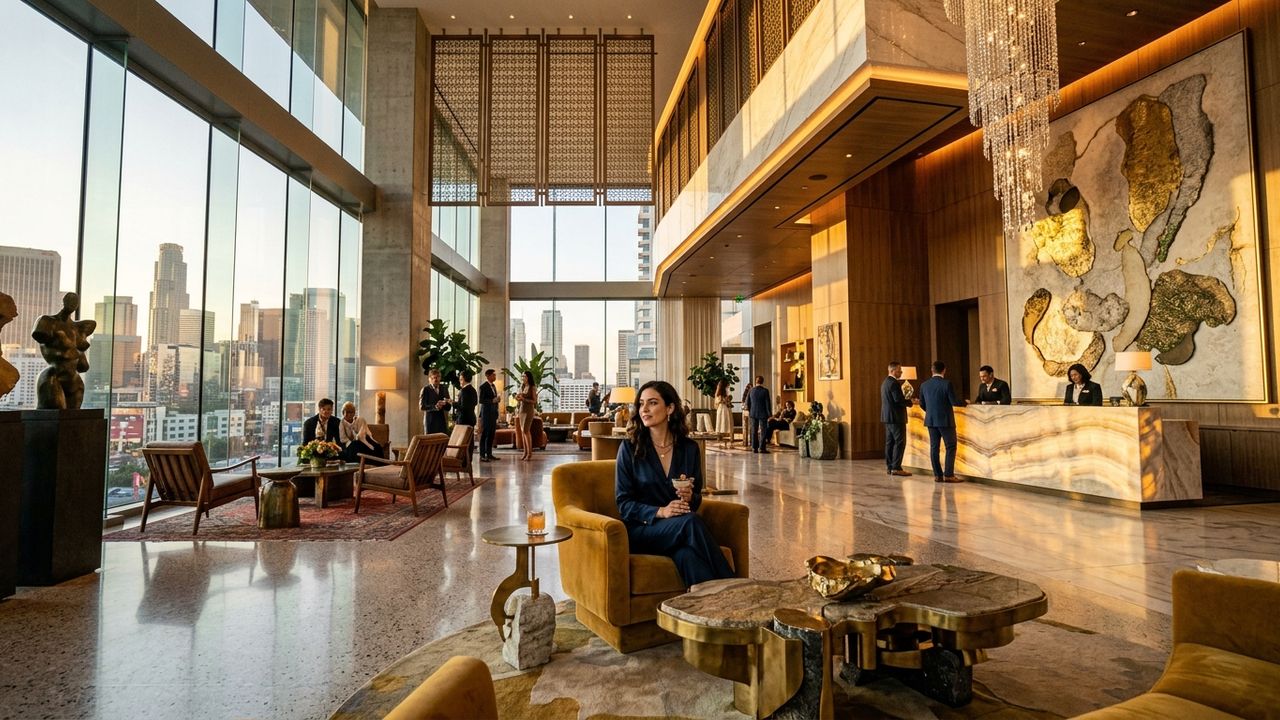
Image generated by AI
The Shift Toward Identity-Driven Hospitality
The global travel landscape is undergoing a fundamental transformation as boutique hotels move from a niche segment to a primary driver of the hospitality industry. Modern travelers are increasingly rejecting the predictability of standardized hotel chains in favor of "identity-driven" experiences. This evolution is characterized by a demand for intimate spaces, curated design, and stays that reflect the authentic character of a destination.
Driven by a preference for meaningful engagement over mass tourism, boutique hotels are redefining 21st-century luxury through local storytelling and highly personalized service models.
US Innovation: Design-Led and Tech-Integrated
The United States remains a pivotal force in shaping the boutique movement, with cities like New York, Los Angeles, Miami, and Chicago serving as laboratories for high-concept hospitality. American properties are increasingly pivoting toward "hyper-local" identities, utilizing neighborhood-specific artwork and materials to ensure the hotel acts as a cultural extension of its surroundings.
Furthermore, the US market is leading the integration of high-tech efficiency with high-touch service. The adoption of AI-powered guest services, digital check-ins, and personalized recommendation engines allows these properties to scale intimacy without sacrificing the human element.
Regional Variations in the Boutique Experience
Different global regions are applying the boutique philosophy to suit their unique cultural and architectural landscapes:
Europe: Adaptive Reuse and Cultural Immersion
In Europe, the trend focuses on the restoration of historic structures. Palaces, monasteries, and heritage townhouses in France, Italy, Spain, and Portugal are being converted into experiential luxury spaces. These properties blend original architectural features with contemporary design, serving as gateways for guests to engage with regional craftsmanship and artisanal cuisine.
Asia: Wellness and Environmental Harmony
The growth in Asia—particularly in Japan, Thailand, Indonesia, Vietnam, and India—is closely tied to wellness and nature-based tourism. From the minimalist precision of Japanese boutique hotels to the open-air, sustainable architecture of Southeast Asia, the focus is on mindfulness, tranquility, and physical well-being.
Middle East: Ultra-Luxury and Exclusivity
In the UAE, Saudi Arabia, and Oman, the boutique model is manifesting as ultra-luxury exclusivity. This includes secluded desert resorts that blend architectural innovation with natural landscapes, as well as urban boutique hotels in Dubai and Riyadh that integrate art, retail, and entertainment into the guest experience.
Africa and Latin America: Eco-Boutique and Community Impact
In regions like South Africa, Kenya, Morocco, Mexico, and Costa Rica, the boutique movement is synonymous with eco-tourism. These properties prioritize renewable energy and the preservation of ecosystems. A defining feature here is community integration, where hotels partner with local farmers and guides to ensure tourism revenue supports the local population.
The New Pillars of Luxury: Personalization and Sustainability
As the industry evolves, two core currencies have emerged as essential for success:
Extreme Personalization: Boutique hotels are moving beyond standard service to create tailored journeys. Using data analytics and guest profiling, properties now offer customized room settings and curated itineraries, treating the guest as a participant in a unique story.
Sustainable Development: Environmental responsibility is no longer an optional add-on but a competitive necessity. The industry is seeing a widespread shift toward eco-conscious construction materials, carbon reduction strategies, and water conservation, with many properties pursuing formal green certifications to meet the values of the modern traveler.
Future Outlook: Meaning Over Scale
The rise of the boutique sector reflects a broader change in consumer behavior, particularly among younger generations who value authenticity and visual distinctiveness. Social media has further amplified this trend, often turning the hotel itself into the primary destination.
The future of global hospitality will likely be defined not by the number of rooms or the scale of the brand, but by the depth of the emotional connection and the authenticity of the guest experience.
Regional Boutique Focus Summary
| Region | Primary Focus | Key Characteristics | Leading Markets |
|---|---|---|---|
| United States | Design & Tech Innovation | Hyper-local identity, AI integration | NY, LA, Miami, Chicago |
| Europe | Heritage & Culture | Adaptive reuse of historic buildings | France, Italy, Spain, Portugal |
| Asia | Wellness & Nature | Minimalism, mindfulness, eco-harmony | Japan, Thailand, Indonesia, India |
| Middle East | Ultra-Luxury | Exclusivity, desert innovation, urban art | UAE, Saudi Arabia, Oman |
| Africa & LatAm | Eco-Tourism | Sustainability, community-based models | South Africa, Mexico, Costa Rica |
Key Takeaways
- Shift in Demand: Travelers are moving from "predictable luxury" to "identity-driven" and emotionally engaging experiences.
- US Leadership: The US is pioneering the blend of hyper-local design and AI-driven personalization.
- Sustainability as Standard: Eco-friendly construction and community integration are now critical competitive advantages.
- Experience over Assets: The industry is pivoting toward "meaning and identity" rather than scale and standardization.
FAQ
What defines a "boutique hotel" in the modern era? Unlike traditional hotels, modern boutique hotels focus on a unique identity, intimate scale, personalized service, and a strong connection to the local culture and environment.
How is technology being used in boutique hotels without losing the "human touch"? Properties are using AI and digital tools to handle routine operations (like check-ins and recommendations), which frees up staff to focus on high-value emotional engagement and storytelling.
Which regions are leading the eco-boutique movement? Africa and Latin America are at the forefront, particularly in countries like Costa Rica, Mexico, and South Africa, where luxury is blended with environmental preservation and community support.
Related Travel Guides
Disclaimer
This article is for informational and educational purposes only. It does not constitute legal, financial, or professional advice. While we strive to provide accurate and up-to-date information, travel policies, regulations, and conditions change rapidly. Always verify information with official sources before making travel decisions. Nomad Lawyer makes no representations about the accuracy, reliability, completeness, or suitability of the information provided. Readers should consult qualified professionals for advice specific to their circumstances. The views expressed in this article are those of the author and do not necessarily reflect the views of Nomad Lawyer.
Raushan Kumar
Founder & Lead Developer
Full-stack developer with 11+ years of experience and a passionate traveller. Raushan built Nomad Lawyer from the ground up with a vision to create the best travel and law experience on the web.
Learn more about our team →