
Asia Property Crackdown 2026: Phuket and Bali Target Illegal Foreign Villa Ownership
Asian authorities are dismantling illegal foreign property schemes in Phuket, Bali, and Hokkaido using digital registries to void nominee ownership and seize unauthorized luxury villas.

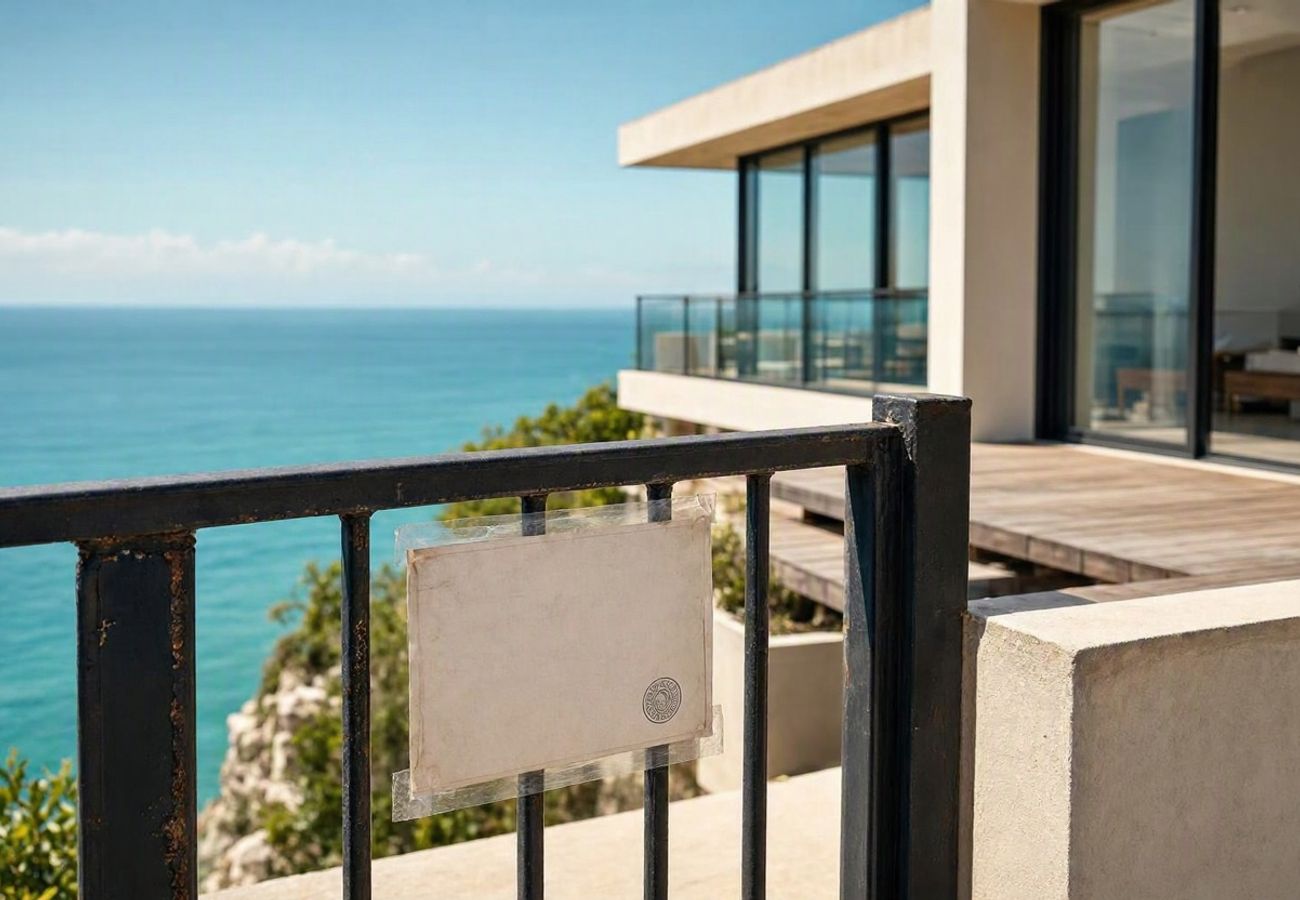
Image generated by AI
An international investor holding a luxury clifftop villa in Phuket discovers a municipal demolition order taped to their gate this morning, as Thai authorities void the "nominee" company structure used to bypass land ownership laws. This scenario is becoming a reality across Asia's premier islands as governments move from passive tolerance to aggressive enforcement against offshore property schemes.
The Great De-Nomination: Asia's War on Proxy Ownership
Across the resort hubs of Thailand, Indonesia, and Japan, a coordinated regulatory offensive is dismantling the "shadow" real estate market. For decades, non-citizens have circumvented strict land-ownership prohibitions in destinations like Phuket, Koh Samui, Bali, and Hokkaido by employing proxy shareholders—local citizens paid to hold the majority stake in a company that owns the land.
The era of the "silent partner" has ended. Regulatory agencies are now integrating bank records, digital corporate registries, and environmental databases to expose the true beneficial owners of luxury estates. By matching the declared income of local shareholders against the multi-million dollar value of the properties they nominally own, authorities are triggering automated audits. If a local shareholder—often a low-wage employee or a legal clerk—cannot prove the financial means to have purchased the asset, the entire corporate structure is flagged as a simulated contract.
High-Risk Zones and Enforcement Data
The crackdown is most intense in Thailand, where the Department of Business Development (DBD) and the Department of Special Investigation (DSI) have unified their efforts. In Surat Thani alone, a massive digital screening has already targeted over 11,000 entities.
Regional Enforcement Matrix 2026
| Jurisdictional Target | Audit Volume & Focus | Primary Statutory Violations | Lead Enforcement Agencies |
|---|---|---|---|
| Surat Thani (Koh Samui & Koh Phangan) | 11,426 foreign-linked companies; luxury villas | Foreign Business Act Section 36; Land ownership evasion | DBD, DSI |
| Phuket | 30,000 registries screened (40% foreign-held) | Proxy shareholder fraud; Unlicensed hospitality | DBD, DSI, Anti-Money Laundering Office |
| Bali & Hokkaido | High-yield luxury rentals; Unpermitted coastal builds | Environmental violations; Non-citizen land restrictions | National Land & Tax Authorities |
Your Rights as a Foreign Property Holder
If you are utilizing a nominee structure or a "shell" company to hold land in Asia, you are currently in a position of extreme legal vulnerability. Under the civil codes of most Southeast Asian nations, contracts designed specifically to bypass statutory prohibitions are considered void ab initio—meaning they were never legally valid from the start.
Legal Implications in Thailand
Under Section 36 of the Foreign Business Act B.E. 2542 (1999), the penalties for proxy ownership are severe:
- Criminal Liability: Both the foreign investor and the Thai nominee face up to three years in prison.
- Financial Penalties: Fines ranging from 100,000 to 1,000,000 baht.
- Asset Loss: Because proxy agreements are legally void, they offer zero protection in court. Foreigners cannot sue to recover their investment from a nominee who decides to keep the property, nor can they stop the state from seizing the asset.
For those facing audits, it is imperative to consult the Department of Business Development (DBD) or a licensed legal practitioner specializing in the Foreign Business Act. You may also check the status of corporate registrations via official government portals to see if your entity has been flagged.
Asset Protection and Exit Strategies
For investors currently operating in the "gray market," the window for voluntary correction is closing. The transition from "Legacy Shadow Setup" to "Judicial Invalidation" happens rapidly once an algorithmic flag is raised.
Practical Options for Affected Investors:
- Immediate Legal Audit: Engage a law firm to review your shareholding structure. If your "Thai partner" is a nominee with no actual capital contribution, your asset is at risk.
- Divestment: Attempt to sell the property to a legitimate local buyer or a licensed foreign-ownership vehicle (such as a long-term leasehold) before the DSI freezes the asset.
- Conversion to Leasehold: In many jurisdictions, while ownership is banned, long-term leases (often 30 years) are legal. Converting a fake ownership structure to a legitimate lease may save the right to use the property, though it removes the "equity" growth of land ownership.
- Verify Licensing: If your villa is listed on platforms like Airbnb or Booking.com, ensure you have a municipal hotel license. Unlicensed rentals are currently the primary "tripwire" that alerts tax authorities to illegal foreign ownership.
For real-time tracking of regulatory changes in Thailand, travelers and investors should monitor the Anti-Money Laundering Office (AMLO) for updates on asset seizures.
FAQ: Asia Property Crackdown 2026
Can I recover my money if my nominee partner steals the property? Likely no. Because nominee agreements are designed to circumvent the law, courts generally view them as illegal contracts. You cannot use a void contract to claim ownership or reimbursement in a regional court.
Is a long-term lease safer than a nominee company? Yes. Leaseholds are a recognized legal framework for foreigners in Thailand and Indonesia. They do not require "frontmen" and are not subject to the criminal penalties of the Foreign Business Act.
What happens if my villa is flagged for demolition? If the structure was built without permits or on protected land via an illegal company, municipal authorities can order demolition. You will likely be liable for the costs of the demolition as well.
Am I at risk if I only own 49% of the company? If the remaining 51% is held by a nominee who provides no capital and has no operational role, the government views the company as a "shell" for 100% foreign ownership, which is illegal for land holdings.
The era of the shadow villa is over; legal transparency is now the only secure investment strategy in Asia.
Related Travel Guides
Disclaimer
This article is for informational and educational purposes only. It does not constitute legal, financial, or professional advice. While we strive to provide accurate and up-to-date information, travel policies, regulations, and conditions change rapidly. Always verify information with official sources before making travel decisions. Nomad Lawyer makes no representations about the accuracy, reliability, completeness, or suitability of the information provided. Readers should consult qualified professionals for advice specific to their circumstances. The views expressed in this article are those of the author and do not necessarily reflect the views of Nomad Lawyer.
Raushan Kumar
Founder & Lead Developer
Full-stack developer with 11+ years of experience and a passionate traveller. Raushan built Nomad Lawyer from the ground up with a vision to create the best travel and law experience on the web.
Learn more about our team →