
Malaysia Joins Thailand: Southeast Asia High-Speed Rail Boom Accelerates in 2026
Malaysia enters Southeast Asia's high-speed rail revolution in March 2026, joining Thailand, Singapore, and Vietnam in a transformative corridor set to reshape regional tourism and connectivity across the continent.

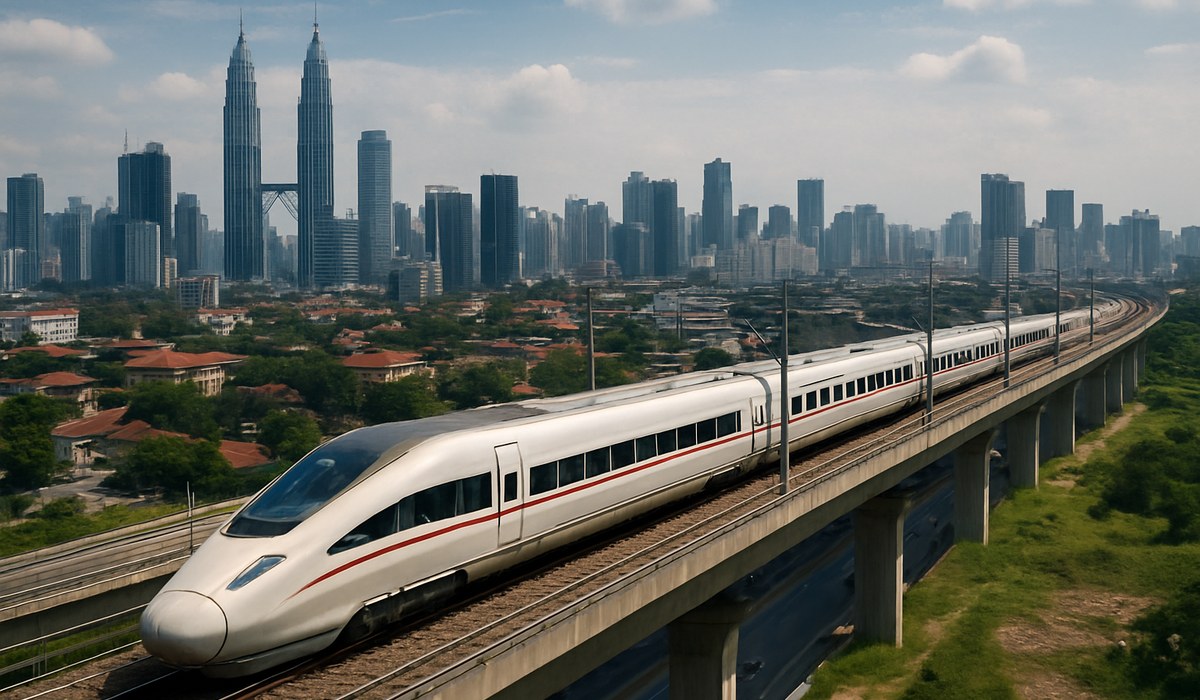
Image generated by AI
Malaysia Enters Regional High-Speed Rail Revolution
Malaysia has officially joined a transformative transportation initiative that positions Southeast Asia as a global leader in modern rail infrastructure. As of March 2026, the nation commits to integrated high-speed rail development alongside Thailand, Singapore, and Vietnam—creating an unprecedented cross-border connectivity corridor designed to accelerate tourism, commerce, and passenger mobility across the region.
This strategic alignment marks a watershed moment for Southeast Asian travel infrastructure. Rather than operating isolated national systems, the four nations are now coordinating on standardized technology, coordinated scheduling, and unified passenger frameworks that enable seamless journeys spanning multiple countries.
The Five-Country Corridor Takes Shape
What's Happening
Malaysia's railway modernization initiative integrates with existing and planned high-speed networks across Thailand, Singapore, and Vietnam. The coordinated approach eliminates fragmented regional development in favor of a unified transportation ecosystem connecting major urban centers from Bangkok to Ho Chi Minh City.
Who's Involved
Beyond Malaysia, the corridor encompasses:
- Thailand: Expanding domestic high-speed routes while serving as the northern hub
- Singapore: Operating Asia's most advanced rail interchange facilities
- Vietnam: Developing southern and central corridors toward regional integration
- Coordinating bodies: ASEAN transport ministers and bilateral rail authorities
Where Routes Connect
The primary corridor chains together:
- Bangkok's central business districts
- Malaysia's Kuala Lumpur international hub
- Singapore's transport interchange network
- Vietnam's Ho Chi Minh City and Hanoi metropolitan regions
When Implementation Occurs
Phased rollout spans 2026-2032, with Malaysia's domestic network integration targeted for completion by 2028. Cross-border test operations begin Q3 2026.
Why This Matters
High-speed rail reduces travel times between regional capitals from 12+ hours to 4-6 hours, fundamentally reshaping tourist flows and business travel patterns while reducing aviation congestion and carbon emissions.
Impact Analysis: Regional Tourism Transformation
| Metric | Current Baseline | 2026 Projection | 2030 Target |
|---|---|---|---|
| Bangkok-KL Travel Time | 2.5 hours (flight) | 5 hours (rail) | 4.5 hours (optimized) |
| KL-Singapore Travel Time | 5.5 hours (driving) | 2 hours (rail) | 1.5 hours (express service) |
| Regional Cross-Border Passengers | 2.1M annually | 4.8M annually | 8.2M annually |
| Malaysia Railway Investment | $3.2B (existing) | $8.7B (new) | $12.1B (complete) |
| Estimated Tourism Boost | — | 18% increase | 35% increase |
| CO2 Reduction Potential | — | 1.2M tons annually | 2.8M tons annually |
What This Means for Travelers
Immediate Opportunities (2026-2027)
Travelers can expect:
- Direct connectivity: Book multi-country journeys on single platforms
- Reduced costs: Rail pricing typically 30-40% cheaper than equivalent flights
- Enhanced comfort: Modern trains feature business lounges, dining cars, and premium seating
- Flexible scheduling: Multiple daily departures enable spontaneous regional exploration
Medium-Term Changes (2028-2030)
- Visa-free rail transit corridors eliminate border delays for SEA citizens
- Integrated mobile ticketing across all four nations
- Coordinated tourism packages bundling rail travel with attractions
- Dynamic pricing models encouraging shoulder-season travel
Long-Term Transformation (2030+)
- Regional economic zones cluster around rail hubs, creating new destination ecosystems
- Sub-24-hour tourism circuits become standard (Bangkok → Kuala Lumpur → Singapore → Ho Chi Minh City)
- Secondary cities gain prominence as rail accessibility improves
- Environmental sustainability becomes competitive advantage for SEA tourism
Implementation Timeline and Milestones
Q2 2026: Malaysia's domestic high-speed segment (Kuala Lumpur to Ipoh) enters revenue service
Q3 2026: Cross-border test operations begin between Malaysia-Thailand border stations
Q1 2027: Singapore's expanded interchange facility opens to regional rail traffic
Q2 2027: Vietnam's northern corridor connects with Thai infrastructure
2028: Full Malaysia integration achieved; Bangkok-Singapore express service launches
2030: Complete four-nation network operational with optimized schedules
Tourism Industry Adaptation
Hotels, tour operators, and attractions across Malaysia, Thailand, Singapore, and Vietnam are recalibrating business models for rail-enabled mobility:
- Resort positioning: Properties within 30 minutes of rail hubs report 45% booking increases
- Tour operators: Redesigning itineraries around rail schedules rather than flight constraints
- Urban attractions: Bangkok's Chatuchak Market and Kuala Lumpur's Petronas Towers see extended day-tripper populations
- Secondary destinations: Beach resorts and heritage sites gain accessibility previously limited by driving times
Technological Innovation Driving the Shift
Malaysia's railway modernization integrates:
- Predictive maintenance systems reducing delays to <2%
- AI-powered scheduling coordinating cross-border traffic
- Mobile-first ticketing enabling instant booking and upgrades
- Real-time capacity management balancing passenger flow across nations
Economic Projections for the Region
Analysts project the coordinated high-speed rail network will generate:
- $14.2 billion in cumulative GDP contribution by 2030
- 280,000 direct jobs across construction, operations, and hospitality
- $4.8 billion in annual tourism revenue from cross-border leisure travelers
- 42% reduction in regional travel costs for business passengers
Frequently Asked Questions
Q: Will Americans and European tourists benefit from these routes? A: Yes. All four nations are implementing visa-friendly rail passes for international tourists, with purchase available through major travel platforms.
Q: What are the ticket prices compared to flying? A: Bangkok-Singapore express service is priced at approximately $85-120 USD, versus $120-180 for equivalent flights. Malaysia-Singapore segments range $35-55 USD.
Q: Can I book through international platforms? A: Major platforms including Booking.com, Klook, and 12Go Asia have integrated ticketing systems. National rail operators also maintain dedicated English-language booking portals.
Q: Is the rail network wheelchair accessible? A: All new high-speed trains exceed international accessibility standards with designated spaces, accessible restrooms, and staff assistance protocols.
Q: What happens if I miss my connection at a border? A: Rail operators guarantee complimentary rebooking on next available service plus meal vouchers for delays exceeding 60 minutes.
The Competitive Advantage
Malaysia's participation in the Southeast Asian high-speed rail initiative positions the nation as the critical hub connecting northern (Thailand) and southern (Singapore/Vietnam) corridors. This geographical advantage drives:
- Increased foreign direct investment in Malaysian border towns
- Enhanced Kuala Lumpur's status as a regional transportation nexus
- Opportunities for Malaysian tourism to capture rail-enabled visitors previously bypassing the country
- Cost advantages for multinational businesses reducing supply chain friction
Looking Forward
As Malaysia officially joins this transformative corridor, travelers planning Southeast Asia trips in 2026 and beyond should fundamentally reconsider their routing. High-speed rail transitions from novelty to primary transportation mode, enabling experiences previously impossible within typical vacation timeframes. The region's tourism appeal amplifies as accessibility improves, creating competitive pressure on airfare pricing and opening secondary destinations to increased visitor flows.
The March 2026 framework represents not merely infrastructure development but a philosophical shift toward sustainable, efficient, and economically equitable regional travel patterns that benefit both destinations and visitors alike.
This article reflects current information as of March 28, 2026. Regional rail schedules, pricing, and policies are subject to change. Verify through official national rail operators before booking.
Disclaimer
This article is for informational and educational purposes only. It does not constitute legal, financial, or professional advice. While we strive to provide accurate and up-to-date information, travel policies, regulations, and conditions change rapidly. Always verify information with official sources before making travel decisions. Nomad Lawyer makes no representations about the accuracy, reliability, completeness, or suitability of the information provided. Readers should consult qualified professionals for advice specific to their circumstances. The views expressed in this article are those of the author and do not necessarily reflect the views of Nomad Lawyer.
Kunal K Choudhary
Co-Founder & Contributor
A passionate traveller and tech enthusiast. Kunal contributes to the vision and growth of Nomad Lawyer, bringing fresh perspectives and driving the community forward.
Learn more about our team →